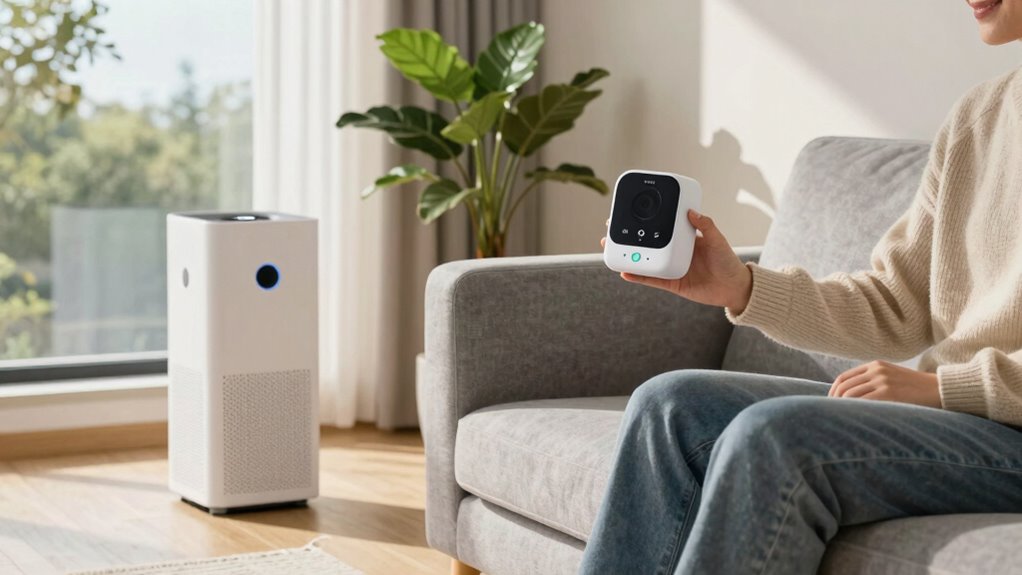
This year, more people are actively improving their indoor air quality by upgrading HVAC systems, using air purifiers, and increasing ventilation through open windows and exhaust fans. Many are choosing natural cleaning products and managing humidity to reduce pollutants and mold growth. Smart monitoring devices help track air quality and prompt quick action. Making these adjustments boosts health, comfort, and sleep quality, creating a safer space. Keep exploring to discover even more ways to create a healthier home environment.

Get beauty and skincare favorites delivered free with Prime
- Fast, free delivery on millions of items
- Prime Video, Amazon Music and more included
- Member-only deals all year
Key Takeaways
- Increasing adoption of advanced ventilation systems and air purifiers to actively improve indoor air quality.
- Greater focus on natural ventilation, such as opening windows and using exhaust fans regularly.
- Use of real-time air quality monitors to detect and address pollution spikes promptly.
- Preference for natural cleaning products and reducing indoor pollutants like cigarette smoke.
- Growing awareness of indoor air pollution’s health impact, leading to long-term improvements in home environments.
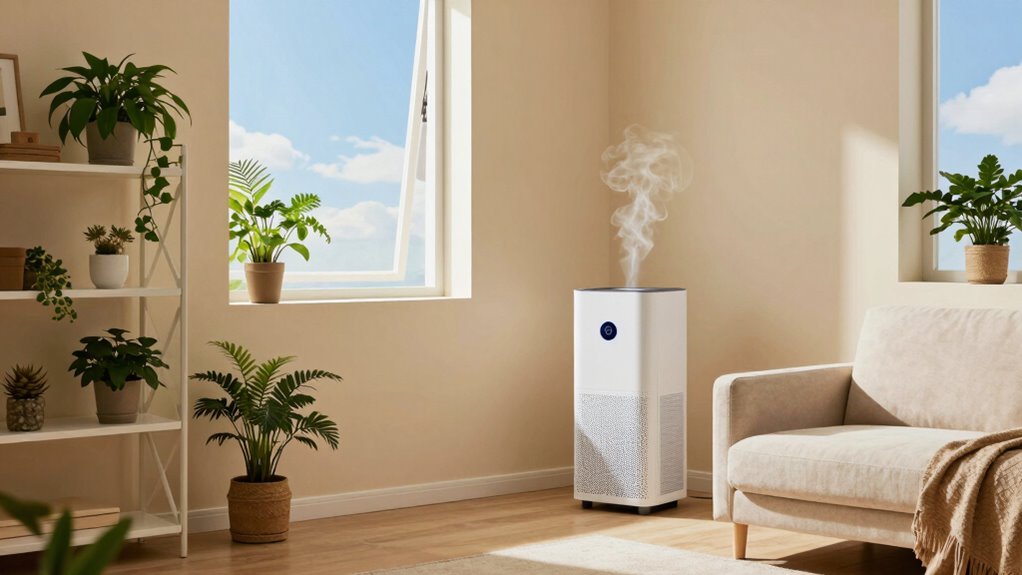
Have you noticed how the focus on home air quality has changed in recent years? More people are paying closer attention to the air they breathe indoors, especially as awareness of indoor air pollution grows. It’s no longer just about opening windows when the weather’s nice; it’s about actively improving the air quality inside your home. You might have realized that pollutants—like dust, pet dander, mold spores, and volatile organic compounds—can accumulate quickly, impacting your health and comfort. This shift reflects a broader understanding that the quality of your indoor environment directly affects your well-being, productivity, and sleep quality.
One of the most effective ways to combat indoor air pollution is through ventilation improvements. You may have started exploring options like upgrading your HVAC system, installing air exchangers, or adding air purifiers. These measures help remove airborne contaminants, replacing stale indoor air with fresh air from outside. Proper ventilation isn’t just about bringing in fresh air; it’s about ensuring that pollutants don’t linger and build up over time. Better ventilation helps to dilute indoor pollutants, reduce humidity levels that foster mold growth, and eliminate odors caused by cooking, pets, or cleaning products. It’s easy to underestimate how much indoor air quality impacts your daily life until you notice persistent allergies or respiratory issues.
Effective ventilation reduces pollutants, controls humidity, and eliminates odors for a healthier indoor environment.
You might also be taking steps to improve ventilation by opening windows more frequently or using exhaust fans in kitchens and bathrooms. These small adjustments make a noticeable difference, especially when combined with other measures like reducing sources of indoor pollution. For example, switching to natural cleaning products, avoiding cigarette smoke indoors, or managing humidity levels can significantly lower the amount of harmful particles in the air. As you become more conscious of indoor air pollution, you’ll realize that ventilation improvements are among the most practical, cost-effective strategies to foster a healthier indoor environment. Additionally, understanding how indoor air quality is affected by various pollutants can help you make more informed decisions about your home’s air management. Investing in air quality monitoring devices further empowers you to maintain a safe and healthy home environment. Recognizing the importance of indoor environmental factors can guide you to adopt better practices and technologies for maintaining optimal air quality.
This year, more homeowners are investing in smarter ventilation systems and air quality monitoring devices. These tools give you real-time data about your home’s air quality, so you can act promptly if pollutants spike. Developing a comprehensive approach to indoor air management can significantly improve overall health and comfort. Recognizing the importance of indoor environmental factors can guide you to adopt better practices and technologies for maintaining optimal air quality. As you continue to prioritize your home’s air quality, you’ll notice benefits like fewer allergy symptoms, better sleep, and an overall feeling of freshness. The shift toward cleaner indoor air isn’t just a trend; it’s a commitment to creating a safer, more comfortable space for yourself and your loved ones.
As an affiliate, we earn on qualifying purchases.
Frequently Asked Questions
How Do Indoor Plants Improve Air Quality Effectively?
Indoor plants improve air quality effectively through air purification, with plant varieties like snake plants, pothos, and peace lilies absorbing toxins and releasing oxygen. You can enhance your home’s freshness by choosing a mix of these plants, which act as natural filters. Regular care guarantees they stay healthy and efficient at cleaning the air. Incorporating a variety of air-purifying plants not only boosts air quality but also adds aesthetic appeal.
What Are the Most Common Indoor Air Pollutants?
You should be aware that indoor mold and chemical fumes are among the most common indoor air pollutants. Mold thrives in damp areas, releasing spores that can cause respiratory issues. Chemical fumes from cleaning products, paints, or furniture also pollute your air, leading to headaches or allergies. To improve your air quality, ventilate your home regularly, control humidity, and choose low-VOC products to minimize these pollutants’ impact.
How Often Should I Change Air Filters?
Think of your air filter as the lungs of your home—if it gets clogged, your indoor air suffers. You should change your air filter regularly, following the filter replacement schedule provided by the manufacturer. Typically, the air filter lifespan ranges from 1 to 3 months, depending on use and filter type. Regular replacements guarantee cleaner air and a healthier environment for you and your family.
Can Air Purifiers Eliminate All Airborne Toxins?
Air purifiers can’t eliminate all airborne toxins, even with advanced air purifier technology. They mainly target particles like dust, pollen, and some VOCs, but an HVAC system plays a crucial role in overall air quality. To maximize toxin removal, use an air purifier alongside your HVAC system, and guarantee regular filter changes. This combined approach helps you breathe cleaner air indoors, but no device can guarantee complete elimination of all airborne toxins.
What Are Affordable Ways to Enhance Home Ventilation?
You can enhance your home ventilation affordably by maintaining your HVAC system regularly to guarantee ideal airflow. Additionally, open windows daily to promote fresh air exchange, especially when outdoor air quality is good. Combining these practices, along with simple habits like using exhaust fans in the kitchen and bathroom, helps improve ventilation without high costs, making your indoor environment healthier and more comfortable.
smart indoor air quality monitor
As an affiliate, we earn on qualifying purchases.
As an affiliate, we earn on qualifying purchases.
Conclusion
As more people prioritize their home air quality this year, you might notice small changes that make a big difference. Imagine a family installing air purifiers and seeing their allergy symptoms lessen during peak pollen season. By taking simple steps now, you can breathe easier and create a healthier environment for yourself and your loved ones. The shift is happening—embrace it and enjoy the fresh air in your own home.
As an affiliate, we earn on qualifying purchases.
As an affiliate, we earn on qualifying purchases.
Fall Picks
fall essentials
As an affiliate, we earn on qualifying purchases.