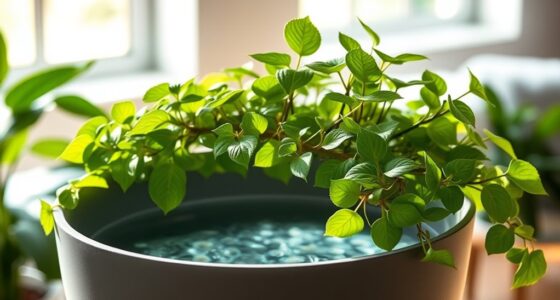

Using a hydroponic garden system daily involves checking nutrient levels and pH balance each morning to keep herbs healthy and thriving. You’ll monitor the system’s automated pumps or sensors to guarantee proper nutrient delivery and quick growth. With minimal soil or pests to worry about, maintaining cleanliness and adjusting nutrients becomes simple. If you keep up this routine, you’ll enjoy fresh, flavorful herbs on hand anytime—and discover more tips to optimize your garden’s success.

Get beauty and skincare favorites delivered free with Prime
- Fast, free delivery on millions of items
- Prime Video, Amazon Music and more included
- Member-only deals all year
Key Takeaways
- Daily monitoring of nutrient levels and pH ensures healthy, vigorous herb growth.
- Regular quick adjustments maintain optimal conditions for consistent herb quality.
- Automated systems simplify routine checks, making daily maintenance straightforward.
- Consistent watering and nutrient delivery promote faster, fresher herbs ready for harvest.
- Routine cleaning and inspection prevent pests and diseases, ensuring a healthy garden environment.
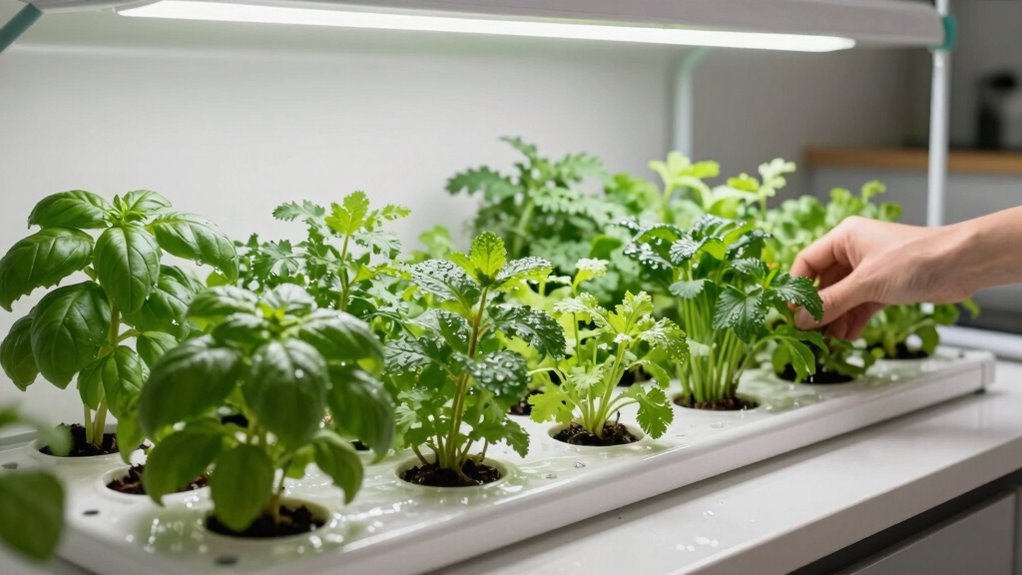
Hydroponic garden systems offer a modern and efficient way to grow plants without soil, making gardening accessible even in limited spaces. When you switch to hydroponics, you eliminate the reliance on soil dependency, which is often a challenge in traditional gardening. Instead of waiting for soil to warm up or drain properly, you provide plants with a controlled nutrient solution directly to their roots. This setup allows for faster growth, better yield, and fewer worries about soil-borne diseases or contaminants. Plus, since you’re not dealing with soil, pest control becomes more straightforward. You’re less likely to encounter common garden pests like soil-dwelling insects or fungi that thrive underground. This means you spend less time applying pesticides or using chemical treatments, making your gardening more eco-friendly and healthier for your herbs and yourself.
Every day, you’ll find that maintaining a hydroponic system is straightforward. You start your morning by checking the nutrient levels and pH balance of the solution. Many systems include automated pumps or sensors that help you monitor and adjust these levels easily, saving you time and guesswork. You’ll notice your herbs growing rapidly, often needing less water than traditional plants because the nutrient solution is precisely delivered. You might also appreciate how the system keeps pests at bay, reducing the need for frequent inspections or sprays. Because the plants are in a controlled environment, you don’t have to worry much about unexpected pest invasions or diseases that usually come with soil. Additionally, controlled environment agriculture enhances the efficiency and sustainability of your gardening efforts. You may find that mastering nutrient management is key to optimizing plant health and productivity, which is a vital aspect of soil-free gardening methods. In fact, understanding how to manage nutrient levels effectively can significantly influence the success of your hydroponic garden.
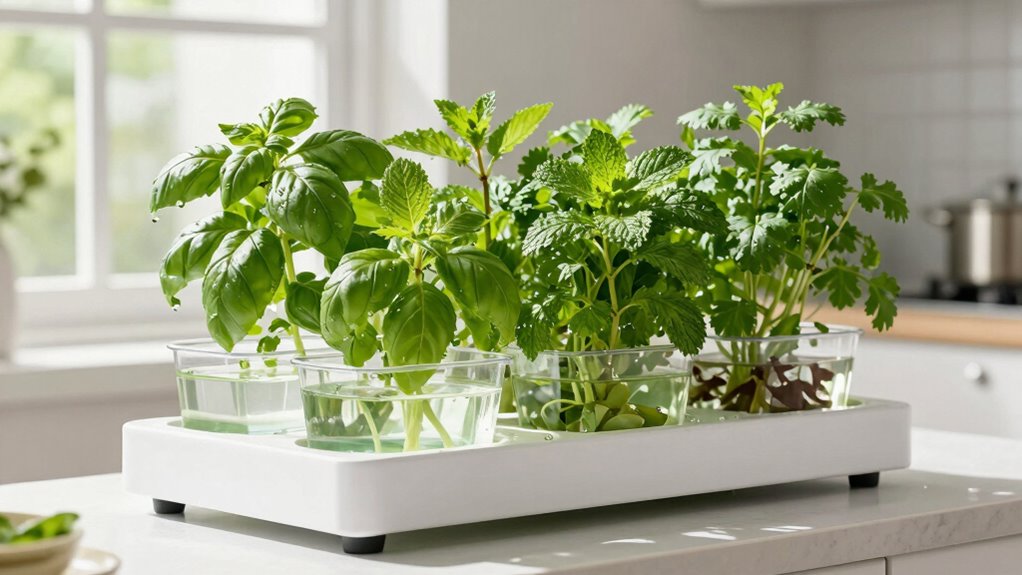
Throughout the day, you’ll tend to your garden by trimming herbs or harvesting fresh leaves for cooking. The beauty of a hydroponic system is that it’s compact and clean, so you won’t have dirt splashing around or needing to be cleaned up afterward. The system’s design allows you to grow a variety of herbs like basil, mint, or parsley in a small kitchen corner or balcony. You’ll enjoy the convenience of having fresh herbs at your fingertips, ready to enhance your meals. As you become familiar with the system, you’ll realize that daily use involves quick check-ins and routine nutrient adjustments, making gardening a seamless part of your daily routine. Overall, hydroponic gardening offers a clean, efficient, and pest-resistant way to enjoy fresh herbs every day, transforming your culinary experience and your connection with gardening.
Products Worth Considering

OMRON Complete 2-in-1 Upper Arm Blood Pressure Monitor with EKG

Withings BPM Vision Blood Pressure Monitor with Wi-Fi and Bluetooth

Garmin Forerunner 165 GPS Running Smartwatch, 43 mm, Black
As an affiliate, we earn on qualifying purchases.
Frequently Asked Questions
How Much Space Is Needed for a Hydroponic Herb Garden?
You’ll need about 2 to 4 square feet for a compact hydroponic herb garden, but larger setups can expand based on your plant variety. Consider your space for garden aesthetics, ensuring it fits comfortably without clutter. With a little planning, you can create a thriving, visually appealing garden that maximizes your plant variety while maintaining a neat, accessible area for daily care and harvesting.
What Is the Average Cost of Setting up a Hydroponic System?
The average cost of setting up a hydroponic system ranges from $100 to $500, depending on size and features. When doing a cost comparison, consider maintenance requirements, which can include replacing nutrients and cleaning components regularly. While the initial investment varies, you’ll find that ongoing expenses are manageable, especially since hydroponic systems often use less water and grow herbs faster, saving you money over time.
How Often Do I Need to Water the Plants?
Like a good knight tending their steed, you’ll need to monitor your plants’ watering frequency closely. Typically, hydroponic plants require watering every 2-4 hours, depending on the setup and plant type. Check the nutrient solution levels daily to guarantee proper plant hydration. If the solution depletes quickly, you might need to add water more frequently. Consistent watering keeps your herbs healthy, thriving, and tasting fresh day after day.
Are Hydroponic Herbs More Nutritious Than Soil-Grown Herbs?
Hydroponic herbs often have higher nutrient density than soil-grown herbs because their roots get direct access to nutrient-rich water, leading to faster growth and more concentrated flavors. Compared to soil, hydroponic systems provide a controlled environment, reducing nutrient loss. This means your herbs can be more nutritious and fresher, but it depends on proper nutrient management. Overall, hydroponic herbs can be more nutritious due to optimized nutrient delivery.
Can Hydroponic Systems Be Used Outdoors Year-Round?
Yes, you can use hydroponic systems outdoors year-round, but it depends on your climate. In colder areas, outdoor hydroponics need protection from frost, while mild climates allow year-round growth. You’ll rely on indoor lighting during winter and need pest control strategies since pests can easily access outdoor setups. With proper insulation and pest management, you can enjoy fresh herbs outdoors all year long.
Conclusion
Think of a hydroponic garden as a thriving symphony, each plant playing its part in harmony. With daily care and attention, you become the conductor, guiding your garden to flourish. While it takes effort, the rewards—a fresh, vibrant harvest right at your fingertips—are worth every note. Soon, your kitchen will be a lush orchestra of herbs, turning your daily routines into a beautiful, living melody.