Creating feel-good playlists tailored to your tastes can instantly boost your mood and reduce stress. When you select songs that resonate with your emotions—whether upbeat pop, classics, or calming tunes—you actively engage with your feelings, promoting happiness and emotional well-being. Using tools like AI can personalize your experience, turning passive listening into a powerful act of self-care. Keep exploring how music can transform your mood and support your happiness every day.
Key Takeaways
- Creating personalized playlists with uplifting songs can instantly improve mood and promote happiness.
- Curated playlists serve as mental health tools, offering emotional resilience and a sense of control.
- Active engagement with music enhances mindfulness and emotional awareness, boosting overall well-being.
- AI-driven recommendations personalize mood-boosting playlists, making mood management accessible and effective.
- Thoughtfully curated playlists transform passive listening into purposeful self-care, supporting emotional health and happiness.

Have you ever wondered how music instantly lifts your mood? It’s a powerful feeling that can turn a bad day around in seconds. This is no coincidence—music has a unique ability to influence your emotions, and many people harness this power through playlist curation. Creating a personalized playlist filled with your favorite upbeat tunes can serve as a simple yet effective form of music therapy. When you select songs that resonate with your feelings or boost your energy, you’re actively engaging in a process that promotes happiness and well-being. This intentional arrangement of music can help you manage stress, elevate your mood, and even motivate you during tough moments.
Music lifts your mood instantly by promoting happiness and well-being through personalized playlist curation.
The beauty of playlist curation lies in its customization. You choose what makes you feel good, whether it’s lively pop hits, nostalgic classics, or energetic dance tracks. As you compile these songs, you’re not just creating a playlist—you’re designing a mental health tool tailored to your needs. When you listen, your brain releases dopamine, the feel-good neurotransmitter, reinforcing positive feelings and reducing anxiety. Over time, regular use of such playlists can act as a form of self-directed music therapy, helping you develop emotional resilience and a more optimistic outlook. The process of selecting and revisiting your favorite songs also provides a sense of control, empowering you to influence your mood rather than letting external circumstances dictate it.
Moreover, playlist curation encourages mindfulness. As you pick each track, you become more aware of your emotional states and what music resonates with your current feelings. This awareness deepens your connection to the music and makes the experience more impactful. It’s not just about listening; it’s about actively engaging with your emotions and using music as a tool for happiness. You can curate playlists for different situations—one to energize you in the morning, another to relax after a stressful day, or even one to lift your spirits when you’re feeling down. This intentional approach makes music a versatile ally in your pursuit of happiness.
In addition, understanding the trustworthiness of AI models is crucial as AI increasingly influences many sectors, including music recommendation systems that personalize playlists based on your preferences. This intentional approach makes music a versatile ally in your pursuit of happiness.
In essence, playlist curation transforms passive listening into an empowering act. It’s a way to harness the mood-boosting power of music intentionally. By doing so, you’re not only creating a soundtrack for your life but also actively contributing to your emotional health. When you understand how to use music therapy principles through playlist curation, you *release* a simple, accessible method to boost your happiness whenever you need it. So next time you’re feeling low, remember that a thoughtfully curated playlist might just be the emotional boost you’re looking for.

Portable Full Size Infrared Sauna for Home,Pentagonal Size Far Infrared Sauna,One Person Sauna Tent with Heating Foot Pad, Portable Chair, (L38 x W38 x H63, Grey)
YOU PRIVATE SAUNA - Experience the privacy of your own sauna with our portable infrared sauna and recover...
As an affiliate, we earn on qualifying purchases.
Frequently Asked Questions
Can Playing Music Improve Mental Health Long-Term?
Playing music can indeed improve your mental health long-term. Engaging in music therapy helps you process emotions and build emotional resilience, making it easier to cope with stress. Regularly listening to or creating music boosts your mood and reduces anxiety. By integrating music into your routine, you strengthen your mental well-being over time, fostering a positive outlook and better emotional balance.
How Does Music Influence Brain Chemistry Related to Happiness?
Imagine your brain lighting up like a city at night when music plays; it triggers neurotransmitter modulation, releasing dopamine and serotonin that boost your mood. You feel a wave of emotional regulation as melodies influence your brain chemistry, making you happier and more relaxed. By actively engaging with music, you tap into these natural chemical responses, enhancing your sense of well-being and creating a powerful connection between sound and happiness.
Are There Specific Genres That Boost Mood More Effectively?
Certain genres, like upbeat pop, energetic dance, or lively reggae, tend to boost your mood more effectively. Your genre preferences play a big role in how much a playlist makes you feel good. Mood-specific playlists curated with these genres can lift your spirits quickly. Experiment with different styles to find what energizes or relaxes you best, and you’ll enjoy an instant mood boost whenever you need it.
How Can I Create Personalized Playlists for Different Emotions?
Did you know that 80% of people say music can instantly boost their mood? To create personalized playlists for different emotions, start by identifying your emotional triggers—like upbeat music for energy or calming tunes for relaxation. Then, select music genres that resonate with each feeling. Mix familiar songs with new ones to keep it fresh. Adjust your playlist as your mood shifts for a tailored, mood-boosting experience.
Does Listening to Music Before Sleep Affect Happiness Levels?
Listening to music before sleep can positively affect your happiness levels by improving sleep quality and promoting dream enhancement. When you play calming tunes, it helps you relax, reduces stress, and creates a peaceful mindset. Better sleep quality means you wake up feeling refreshed and happier. Additionally, music can influence your dreams, making them more pleasant. So, incorporating soothing music into your nightly routine can boost your overall happiness.

iDOTODO Full Size Portable Personal Infrared Sauna for Home, Personal Home Spa Tent with Remote Control, Heating Foot Pad, Foldable Reinforced Chair (Grey, L33.8 x W 33.8" x H 66.5"
Detachable Design: A Detachable frame design conveniently folds for transport or storage. Waterproof inner material is easy to...
As an affiliate, we earn on qualifying purchases.
Conclusion
So, next time you’re feeling down, don’t forget that blasting your favorite playlist might just be the secret weapon to happiness—unless, of course, you’re the kind of person who hates dancing in the rain. Ironically, while music can lift your mood, sometimes the only thing it can’t fix is your neighbor’s relentless car alarm. But hey, at least with good tunes, you’ll have a better soundtrack for your daily chaos.
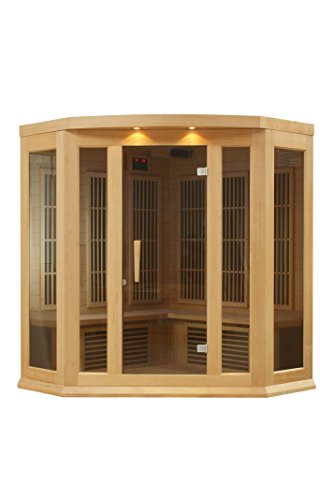
DYNAMIC SAUNAS Maxxus 3 Per Low EMF FAR Infrared Carbon Corner Canadian Hemlock Sauna
8 Low EMF FAR Infrared Carbon Heating Panels
As an affiliate, we earn on qualifying purchases.
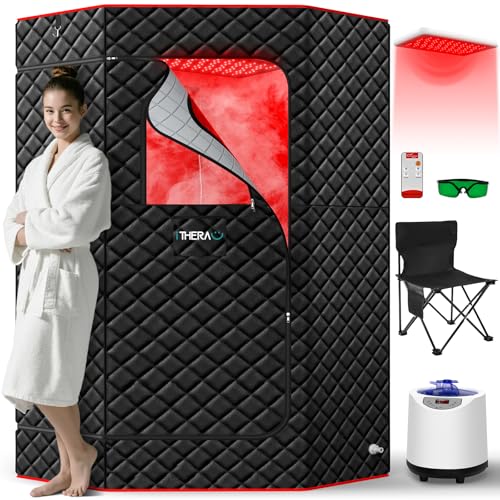
I-THERA-U XL Infrared Sauna Box with True 660 & 850nm Red Light Therapy Lamp, Portable Red Light Sauna for Home, Full Body Steam Tent with 3L 1200w Steamer, 15 Levels Heat, Chair, Remote
【Upgrade with Red Light Therapy】Comes with professional-grade red light therapy lamp, 108pcs 660nm red light(visible), 216pcs 850nm NIR...
As an affiliate, we earn on qualifying purchases.