
Many so-called healthy eating tips are actually myths that can confuse your choices. You might think restrictive diets or fasting are the best for health, but everyone’s needs differ. Plant-based diets aren’t nutrient-poor if planned properly, and no single diet guarantees weight loss. Sustainable habits focus on balance and moderation rather than extreme rules. Keep exploring to uncover facts that will help you make smarter, more personalized food decisions for lasting wellness.
Key Takeaways
- Many dietary myths promote restrictive diets as the only way to achieve health or weight loss.
- Intermittent fasting is effective for some but not a universal solution; individual needs vary.
- Plant-based diets can meet all nutritional requirements with proper planning and diverse food choices.
- No single diet guarantees health; sustainable habits rely on balance, moderation, and personalized approaches.
- Be cautious of sensational claims and unverified information, focusing on gradual, evidence-based nutritional changes.

Have you ever wondered if everything you’ve heard about healthy eating is true? It’s easy to get caught up in conflicting information, especially with so many diets and trends claiming to be the ultimate solution. One common myth is that you need to follow complex, restrictive plans to be healthy. In reality, understanding the facts can help you make smarter choices without feeling overwhelmed. For instance, some believe that intermittent fasting is a miracle cure for weight loss and health, but it’s not a one-size-fits-all approach. While many people find success with it, it’s not necessary for everyone. The key is listening to your body and finding an eating pattern that suits your lifestyle. Intermittent fasting simply involves cycling between periods of eating and fasting, which can help regulate insulin levels and promote fat loss. However, it’s not about starving yourself or skipping meals altogether; it’s about timing your meals in a way that supports your goals without deprivation.
Another widespread misconception is that plant-based diets are inherently restrictive or lack essential nutrients. Many assume you have to cut out entire food groups to eat healthily, but that’s not true. A well-balanced plant-based diet can provide all the nutrients your body needs, including protein, iron, and B12, when planned thoughtfully. Incorporating a variety of fruits, vegetables, legumes, grains, nuts, and seeds ensures you get a rich array of vitamins and minerals. The myth that plant-based diets are boring or bland also needs debunking; with so many flavorful herbs, spices, and cooking methods available, plant-based dishes can be incredibly satisfying and diverse. It’s not about avoiding animal products but about choosing foods that support your health and environmental sustainability.
It’s important to recognize that neither intermittent fasting nor plant-based diets are magic bullets. They work differently for different people, and no single approach guarantees health or weight loss. The truth is, sustainable eating habits focus on balance, moderation, and enjoyment. Instead of buying into myths that portray certain diets as the only way, aim to understand your body’s needs and preferences. Be cautious of sensational claims and remember that good nutrition is about consistency over time. You don’t have to follow extreme rules or trendy diets to be healthy. Instead, educate yourself, seek reliable sources, and create a personalized plan that promotes your well-being without unnecessary restrictions.
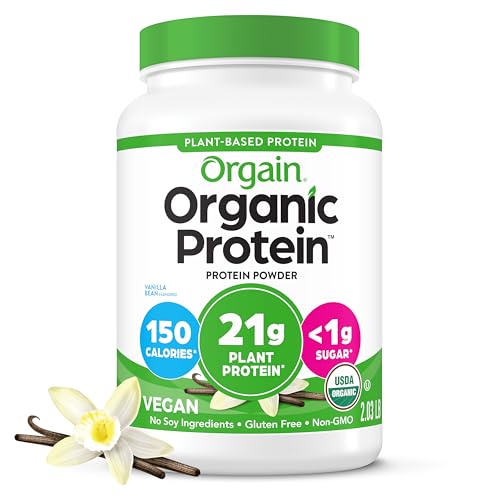
Orgain Organic Vegan Protein Powder, Vanilla Bean – 21g Plant Protein, 6g Prebiotic Fiber, No Lactose Ingredients, No Added Sugar, Non-GMO, For Shakes & Smoothies, 2.03 lb (Packaging May Vary)
CLEANER INGREDIENTS: 21g of Organic plant based protein and 1g sugar. Our protein blend contains Organic peas, brown…
As an affiliate, we earn on qualifying purchases.
As an affiliate, we earn on qualifying purchases.
Frequently Asked Questions
Do All Fats Contribute Equally to Weight Gain?
Not all fats contribute equally to weight gain. Different fat types, like saturated and trans fats, can negatively impact your health and may lead to weight gain if consumed excessively. Healthy fats, such as those from avocados, nuts, and olive oil, have a better calorie impact and support your overall well-being. Moderation is key—focus on incorporating good fats while limiting unhealthy ones to maintain a balanced diet.
Is Organic Food Always Healthier Than Conventional Options?
Think of organic food as a treasure chest labeled “health benefits.” While organic labeling often means fewer pesticides and no GMOs, it doesn’t automatically make the food healthier or more nutritious than conventional options. Nutritional value varies widely. You should focus on eating a balanced diet rich in fruits, vegetables, and whole grains, regardless of label, to truly boost your health.
Can Eating Late at Night Cause Weight Gain?
Eating late at night doesn’t automatically cause weight gain if you consider your meal timing and total daily calories. Your metabolic rate slows down slightly at night, but it doesn’t stop. If you consume more calories than your body needs, regardless of timing, you may gain weight. Focus on balanced meals and proper portion sizes throughout the day, and late-night eating won’t necessarily harm your weight management goals.
Are Sugar-Free Products Truly Calorie-Free?
Sugar-free products aren’t truly calorie-free because sugar substitutes, like artificial sweeteners, still contain some calories or have minimal impact on your calorie intake. While many consider artificial sweetener effects safe in moderation, some people worry about potential health risks. If you’re concerned about sugar substitute safety, check labels carefully and use these products sparingly to avoid overconsumption while enjoying their sweet taste without added calories.
Does Detoxing Improve Overall Health?
Detoxing doesn’t improve your overall health, despite common detox misconceptions. It may temporarily make you feel better, but your body’s natural detox system—your liver, kidneys, and lungs—handles toxins efficiently. The health benefits of detoxing are often overstated, and focusing on balanced nutrition, hydration, and regular exercise provides real, lasting improvements. Instead of detoxing, invest in healthy habits that support your body’s natural cleansing processes.

Intermittent Fasting for Diabetic Women. Including 28 day Meal planner Chart & Comprehensive Food List. Weight loss planner. Helps Managing Hormones Balance, & Losing Fat.
COMPREHENSIVE GUIDE: Complete intermittent fasting guide specifically designed for women, with detailed instructions and tips for beginners
As an affiliate, we earn on qualifying purchases.
As an affiliate, we earn on qualifying purchases.
Conclusion
As you walk through the grocery store, imagine grabbing a colorful fruit and a handful of nuts—simple, natural choices that align with real nutrition. Coincidentally, these foods often get overshadowed by trendy diets and myths. By trusting facts over fiction, you’ll find your plate becomes a vibrant, balanced canvas. Remember, separating myth from fact is like choosing the freshest ingredients—your health benefits most when you keep it straightforward and genuine.

Sanar Naturals Chia Seeds | High Fiber Supplement, GLP-1 Support, Plant-Based Protein with Omega-3 | Superfood for Smoothies Baking and Oatmeal | Vegan, Non-GMO, Raw Bulk, Gluten Free, 10 oz
SUPRPORTS HEALTHY DIET: Natural source of fiber and lignans to support digestive health and help promote your weight…
As an affiliate, we earn on qualifying purchases.
As an affiliate, we earn on qualifying purchases.

The Balanced Diet Cookbook: Easy Menus and Recipes for Combining Carbohydrates, Proteins and Fats
Used Book in Good Condition
As an affiliate, we earn on qualifying purchases.
As an affiliate, we earn on qualifying purchases.