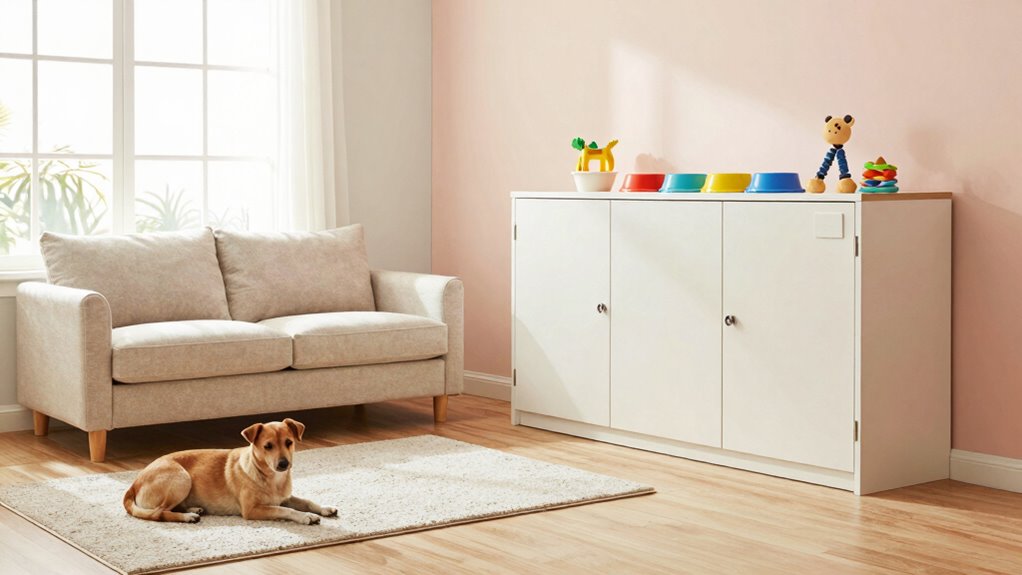

Pet-proofing your wellness space is simpler than most think when you focus on basic safety and organization. Remove hazards like sharp objects, loose cords, and toxic plants, and keep cleaning supplies out of reach. Create designated zones for grooming, feeding, and relaxation, using non-slip mats and secure storage. Adjust your setup as your pet grows or changes. Keep an eye on potential hazards, and you’ll create a safe, comfortable environment that benefits both you and your pet—discover more tips ahead.

Get beauty and skincare favorites delivered free — and shop member deals
- Fast, free delivery on millions of items
- Access to Prime Big Deal Days deals on October 6–7
- Prime Video, Amazon Music and more included
Key Takeaways
- Remove sharp objects, toxic plants, and loose cords to prevent injuries and poisoning.
- Secure trash cans and store cleaning supplies out of pet reach for safety.
- Create designated zones for grooming, feeding, and relaxation to reduce hazards and promote organization.
- Use non-slip mats in spill-prone areas to prevent slips and falls.
- Regularly inspect the space for new hazards as your pet grows and their needs change.
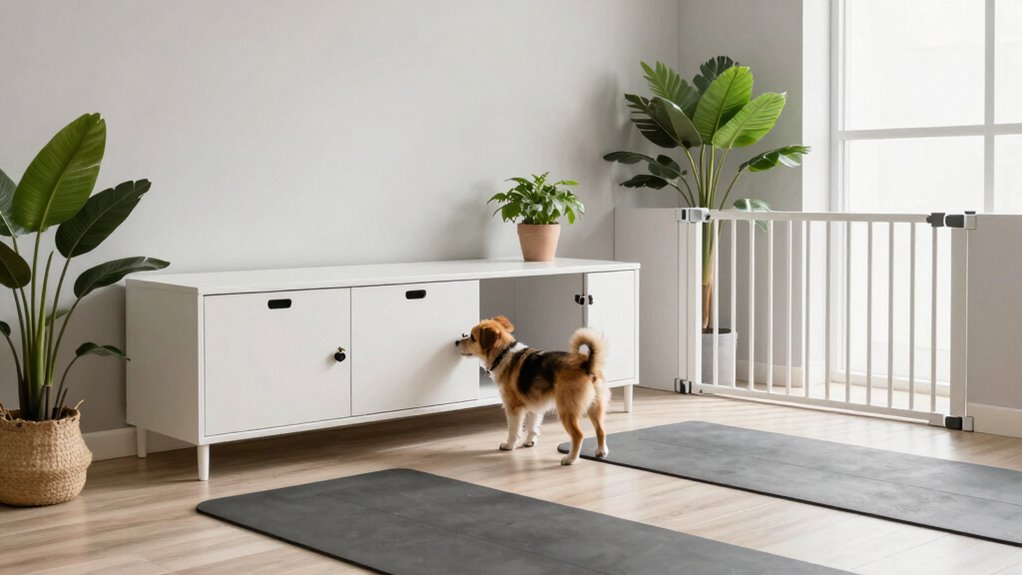
Creating wellness spaces that are safe for your pets requires careful planning and attention to detail. Designing a space that promotes health and comfort involves more than just adding cozy beds and toys. It’s about understanding your pet’s unique needs and making certain the environment supports their well-being. One of the first steps is to contemplate grooming tips, which are essential for maintaining your pet’s hygiene and preventing health issues. Regular grooming helps you spot potential problems early, whether it’s skin irritations, parasites, or mats that can cause discomfort. Tailoring grooming routines to your pet’s breed specific needs is vital; for example, long-haired breeds might require daily brushing, while short-haired breeds may need less frequent attention. Knowing what your pet needs helps you create a space that encourages good grooming habits, making the process less stressful for both of you.
Next, pay attention to the layout and safety features of your wellness space. Remove any hazards that could hurt your pet, such as sharp objects, loose cords, or toxic plants. Secure trash cans and store cleaning supplies out of reach. For pets with specific grooming needs, like breeds prone to skin allergies, keep their grooming tools and allergy medications easily accessible but safely stored away from curious paws. When planning the space, think about breed specific needs—some dogs are more sensitive to temperature fluctuations or require particular flooring to prevent joint issues. For example, if you have an older or larger breed, cushioned flooring can reduce joint strain and provide comfort. Incorporating market insights can also help you select the best products and layout for your pet’s needs. Regular inspections of your space will help you identify new hazards as your pet grows and changes.
Creating zones within your wellness space can help address your pet’s different needs. A quiet corner for relaxation, a dedicated grooming area, and a feeding zone all contribute to a well-organized environment. Keep grooming supplies handy but secure, especially if your pet tends to chew or play with unfamiliar objects. Regularly inspecting your space ensures it remains safe and welcoming. Incorporate non-slip mats, especially in areas prone to spills or moisture, to prevent accidents. Additionally, considering pet behavior patterns can guide you in designing a space that minimizes stress and promotes positive interactions.
Finally, be attentive to your pet’s breed-specific needs and behaviors. Some breeds may need more mental stimulation or specific grooming routines to stay healthy. Adjust your space accordingly, and always observe how your pet interacts with their environment. Pet-proofing isn’t a one-time task; it’s an ongoing process that adapts as your pet grows and their needs change. By staying vigilant and informed about grooming tips and breed specific needs, you can create a wellness space that’s not only safe but also nurturing and comfortable for your furry friend.
As an affiliate, we earn on qualifying purchases.
Frequently Asked Questions
How Can I Pet-Proof Plants in My Wellness Space?
To pet-proof your plants, start with strategic plant placement, keeping them out of your pet’s reach or in high, secure spots. Use pet-safe containers made from non-toxic materials to prevent accidental ingestion. Regularly supervise your pets around plants, and consider adding barriers like furniture or baby gates if needed. These simple steps help protect your pets while allowing you to enjoy your wellness space’s greenery.
What Are Non-Toxic Cleaning Options for Pet-Friendly Areas?
Ever wondered if you can keep your space clean without risking your pet’s health? You can choose non-toxic cleaning options made from natural ingredients and eco-friendly solutions. Vinegar, baking soda, and lemon juice effectively clean surfaces without harmful chemicals. These natural options guarantee your pet’s safety while maintaining a fresh, healthy environment. Isn’t it worth prioritizing your furry friend’s well-being with safe, sustainable cleaning choices?
How Do I Prevent Pets From Accessing Medication or Supplements?
To prevent pets from accessing medication or supplements, prioritize medication safety and supplement storage. Use child-proof, secure cabinets or high shelves that pets can’t reach, and always keep lids tightly closed. Avoid leaving pills or supplements out in the open. Regularly check storage areas for any accidental spills or misplaced items. By implementing these steps, you guarantee your pet’s safety and maintain a secure, pet-proofed wellness space.
Are There Specific Furniture Materials Safer for Pets?
Opt for furniture made from pet-safe fabrics and finished with non-toxic finishes. These materials are safer for your pets, reducing the risk of allergic reactions or poisoning if they chew or lick surfaces. Choose natural fibers like cotton, linen, or microfiber, and guarantee finishes are free from harmful chemicals. Prioritizing pet-safe fabrics and non-toxic finishes creates a healthier, more secure wellness space for both your pets and you.
How Can I Train Pets to Avoid Wellness Equipment?
You can train your pets to avoid wellness equipment using effective training techniques like positive reinforcement and consistent commands. Deterrent methods, such as double-sided tape or motion-activated devices, also help discourage unwanted behavior. Keep the space pet-friendly by redirecting their attention to appropriate toys or areas. Regularly reinforce boundaries, reward good behavior, and stay patient; over time, your pets will learn to stay clear of your wellness equipment.
As an affiliate, we earn on qualifying purchases.
Conclusion
So, turns out pet-proofing your wellness space isn’t rocket science—who knew? The irony? With just a few simple adjustments, you can create a safe haven for your furry friend and yourself. It’s almost amusing how easy it is to prevent chaos while still enjoying a calming environment. So go ahead, pet-proof away; after all, a little effort now keeps the surprises and scratches at bay. Your peace of mind (and your pet’s safety) will thank you.
As an affiliate, we earn on qualifying purchases.
As an affiliate, we earn on qualifying purchases.
Fall Picks
fall essentials
As an affiliate, we earn on qualifying purchases.