

Using behavioral psychology to improve safety compliance involves shifting focus from fear of punishment to positive reinforcement and habit formation. You can motivate safe behaviors through incentives like rewards or recognition that appeal to personal values. Reinforcing routines and cues helps develop automatic safety habits, making compliance feel natural. Combining incentives with consistent routines creates a strong safety culture. To discover how these techniques work together effectively, keep exploring strategies that embed safety into everyday actions.
Key Takeaways
- Leverage positive reinforcement and rewards to motivate safety behaviors beyond fear of punishment.
- Develop routines and cues that promote automatic safety responses, reinforcing habit formation.
- Use incentives to acknowledge safe practices, boosting motivation and sustained compliance.
- Combine routine cues with rewards to embed safety habits into daily workflows and workplace culture.
- Recognize that consistent practice and positive feedback transform safety into an intrinsic part of employee behavior.

Improving safety compliance in the workplace isn’t just about enforcing rules; it’s about understanding what motivates people to follow them. When you tap into behavioral psychology, you recognize that motivation isn’t solely driven by fear of punishment but also by positive reinforcement and habitual actions. One effective strategy is designing incentive programs that reward safe behaviors. These programs can motivate employees to consistently prioritize safety by offering tangible rewards, recognition, or other incentives that resonate with their values. When employees see that their efforts are acknowledged and rewarded, they’re more likely to develop a mindset where safety becomes a natural part of their routine. Incentive programs tap into the human desire for achievement and recognition, making safety compliance more appealing and sustainable over time.
In addition to incentives, habit formation plays a vital role in improving safety compliance. When safe behaviors become habits, they require less conscious effort and become integrated into daily routines. To foster this, you want to create consistent cues and routines that reinforce safety practices. For example, placing safety reminders in high-traffic areas or establishing routine safety check-ins can serve as cues that trigger habitual safety actions. Over time, these cues help develop automatic responses, reducing the likelihood of unsafe shortcuts or lapses. The key is repetition—repeatedly performing safe behaviors until they become second nature. This process is reinforced by positive experiences and feedback, which further embed these habits into everyday work life. Incorporating exfoliation benefits such as routine reminders and cues can support habit formation by continuously reinforcing safe behaviors.
You also need to understand that habit formation is a gradual process. It requires patience and consistent effort, but the payoff is significant. When safety becomes a habit, compliance isn’t just about following rules; it’s about a genuine mindset shift. People start to see safety as an integral part of their work identity rather than an external requirement. Combining incentive programs with strategies that promote habit formation creates a powerful synergy. Rewards can reinforce initial efforts, while routines ensure those efforts become ingrained. As a result, safety compliance transforms from a chore into an automatic, intrinsic part of your team’s culture. This approach not only reduces accidents but also boosts morale, engagement, and overall safety performance in your workplace.

Play Your Way Employee Incentive Game System – Customizable Scratch-Off Team Reward Program with 400 Tickets for Sales Motivation, Staff Engagement & Workplace Recognition
- Includes 4 Themed Incentive Games: Four fully designed game themes
- 400 Scratch-Off Reward Tickets: Interactive tickets for employee rewards
- Customizable Goals and Prizes: Flexible goal and prize settings
As an affiliate, we earn on qualifying purchases.
As an affiliate, we earn on qualifying purchases.
Frequently Asked Questions
How Can Individual Differences Affect Behavioral Safety Strategies?
Your personality traits and cultural influences shape how you respond to safety strategies. If you’re naturally cautious, you might follow rules more diligently, while risk-takers may need different incentives. Cultural backgrounds can affect perceptions of safety, impacting compliance. Recognizing these individual differences helps you tailor safety programs, making them more effective. By addressing diverse personalities and cultures, you encourage safer behaviors and foster a stronger safety culture overall.
What Are Common Pitfalls When Applying Behavioral Psychology to Safety?
Remember, what’s easy to overlook can be the biggest obstacle. When applying behavioral psychology to safety, common pitfalls include underestimating motivational barriers and cultural influences. You might focus solely on individual incentives without addressing broader cultural norms or fail to recognize how ingrained habits hinder change. These oversights can undermine your efforts, so you must consider the whole environment and tailor your strategies to overcome these barriers effectively.
How Long Does It Typically Take to See Behavioral Safety Improvements?
You’ll typically see safety culture improvements within a few weeks to a few months, depending on your employee engagement and consistency of reinforcement. As you apply behavioral psychology strategies, expect gradual changes as employees adopt new habits. Keep in mind, sustained effort and positive reinforcement are key to maintaining these improvements long-term. Patience and ongoing engagement will help solidify safer behaviors across your team.
Can Behavioral Psychology Be Integrated With Existing Safety Protocols?
You can absolutely integrate behavioral psychology with your existing safety protocols—it’s like adding rocket fuel to your safety efforts! By leveraging behavioral incentives and enhancing risk perception, you’ll see rapid improvements. These strategies seamlessly mesh with current procedures, creating a powerful synergy. So, don’t wait—start blending behavioral insights today to make safety compliance second nature for everyone. The results will blow your mind!
What Role Does Management Play in Reinforcing Behavioral Safety?
You play a vital role in reinforcing behavioral safety through leadership commitment, setting a clear example for your team. By actively promoting a positive safety culture, you motivate employees to follow safety protocols consistently. Your ongoing support, feedback, and recognition strengthen safety practices, making them part of daily routines. When you prioritize safety, you foster an environment where everyone feels responsible and empowered to maintain safe behaviors.
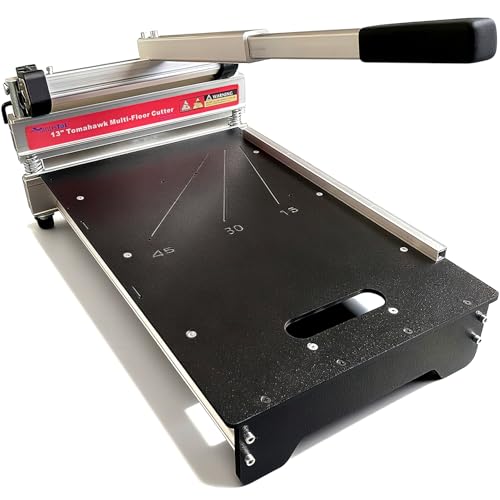
17mm Pro Heavy Duty Laminate | Vinyl Floor Cutter, Full Cut 13" Engineer wood, Laminate, LVP/T, VCT, SPC, LSPC, VSPC, ABC, WPC; Superstrong| Top Quality| Best Tool
- Professional-grade floor cutter: Versatile, lightweight aluminum construction
- Cuts thick flooring materials: Up to 17mm thick for various floors
- Dust-free, quiet operation: No electricity needed, cuts anytime
As an affiliate, we earn on qualifying purchases.
As an affiliate, we earn on qualifying purchases.
Conclusion
By applying behavioral psychology principles, you can transform safety compliance from a chore into a habit that sticks. Think of it as planting seeds of change—nurtured by positive reinforcement and clear cues—growing into a culture where safety becomes second nature. When you understand what motivates your team, you’re not just enforcing rules; you’re guiding a ship steadily through turbulent waters, ensuring everyone reaches the safe harbor together.

SmartSign – S-2917-AL-14 "Think Safety First – Wear Personal Protective Equipment" Sign | 10" x 14" Aluminum 10" x 14" Non-Reflective Aluminum
- Material: Heavy-duty 40 mil aluminum, rust-resistant
- Durability: Lasts up to 7 years outdoors
- Installation: Four 3/16 inch corner holes for mounting
As an affiliate, we earn on qualifying purchases.
As an affiliate, we earn on qualifying purchases.

Bringing Out the Best in People: How to Apply the Astonishing Power of Positive Reinforcement, Third Edition
As an affiliate, we earn on qualifying purchases.
As an affiliate, we earn on qualifying purchases.