
If you have late caffeine, screen time, or irregular sleep schedules, you’re signaling your nervous system to stay alert instead of relax. This disrupts your natural sleep signals and keeps you tense, making it harder to wind down. Over time, your nervous system becomes reactive, leading to anxiety and irritability. By adjusting your evening habits, you can re-train your nervous system for better sleep and mood—explore more ways to restore balance.

Get beauty and skincare favorites delivered free with Prime
- Fast, free delivery on millions of items
- Prime Video, Amazon Music and more included
- Member-only deals all year
Key Takeaways
- Poor evening habits like late caffeine or screen use send mixed signals, preventing the nervous system from relaxing properly.
- Irregular sleep schedules disrupt circadian rhythms, making it harder for the nervous system to transition into restful sleep.
- Stimulating activities or stressful conversations before bed activate the sympathetic nervous system, hindering relaxation.
- Lack of a calming bedtime environment fails to reinforce signals for the nervous system to wind down naturally.
- Inconsistent relaxation routines can train the nervous system to remain alert, reducing sleep quality over time.
Your evening routine can profoundly influence how your nervous system responds the next day, often without you realizing it. The way you wind down at night impacts your ability to relax, recharge, and handle stress. If your routine isn’t supporting good sleep hygiene, you might be training your nervous system to stay alert when it should be winding down. Poor sleep hygiene includes habits like consuming caffeine late, using screens before bed, or having irregular sleep schedules. These habits can send mixed signals to your brain, making it harder to shift into restful sleep. Over time, this can heighten your nervous system’s reactivity, leaving you more anxious or irritable during the day. Incorporating relaxation techniques such as deep breathing or gentle stretching can help signal to your nervous system that it’s time to unwind and support healthy autonomic nervous system balance.
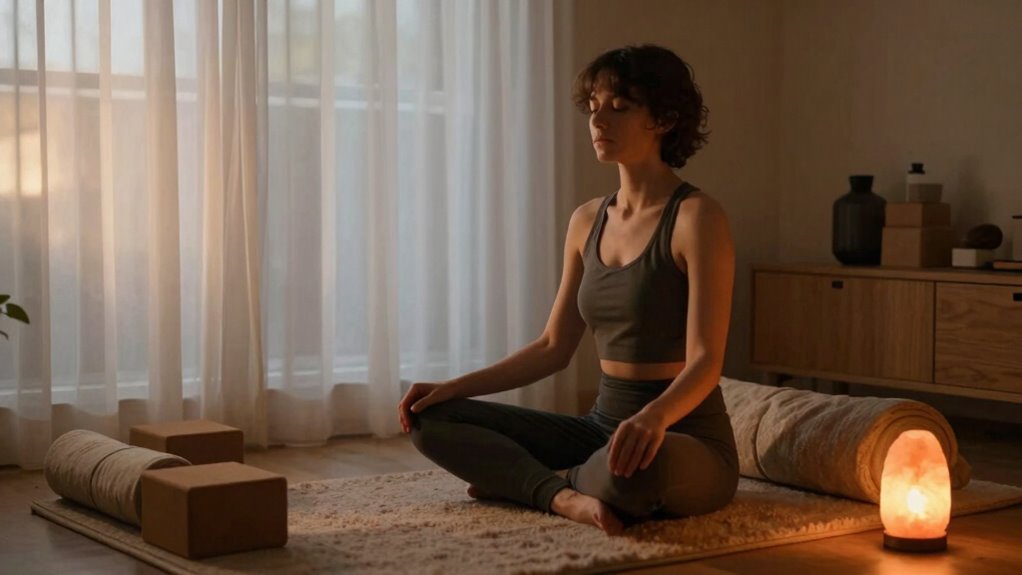
To counteract this, you need to adopt intentional relaxation techniques that prepare your nervous system for rest. Techniques like deep breathing, progressive muscle relaxation, or gentle stretching can activate your parasympathetic nervous system—the part responsible for calming your body. When you incorporate these relaxation techniques into your evening, you signal to your brain that it’s time to unwind. Consistency is key; practicing these methods nightly helps establish a pattern that your nervous system begins to associate with bedtime, making it easier to drift off without racing thoughts or tension. Additionally, understanding how sleep hygiene influences your nervous system can empower you to make more conscious choices that support relaxation. As you learn more about the autonomic nervous system, you can better tailor your routines to promote relaxation and resilience.
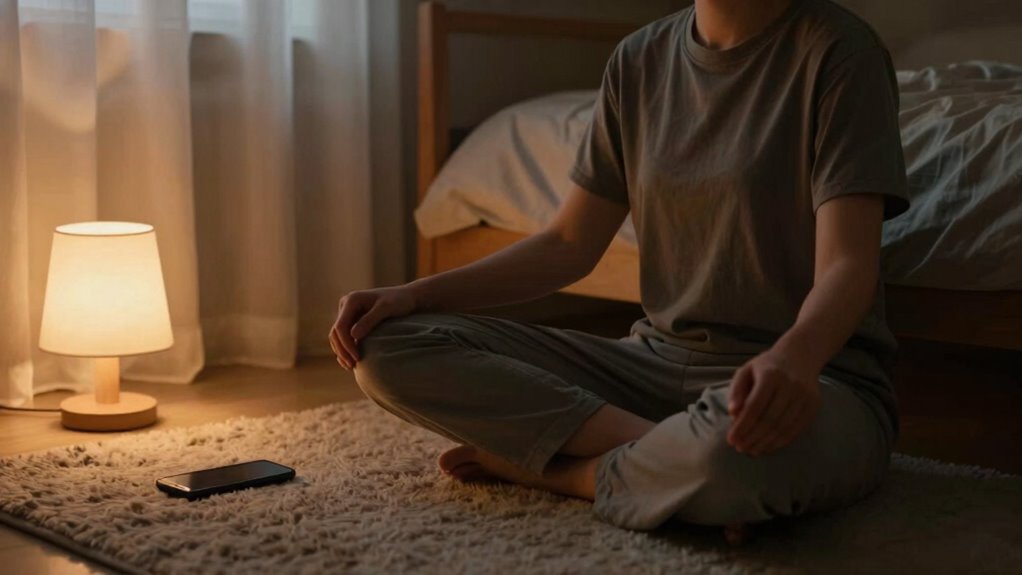
Creating a bedtime environment that promotes good sleep hygiene is equally important. Dim the lights an hour before bed, turn off screens, and keep your bedroom cool and dark. These environmental cues reinforce your body’s natural circadian rhythm and help your nervous system understand that it’s time to relax. Avoid stimulating activities or stressful conversations right before bed, as they can increase cortisol levels and keep your nervous system on high alert. Instead, consider reading a calming book or listening to soothing music to gently ease into sleep. Ensuring your space is optimized for rest can reinforce the signals your nervous system needs to transition into a state of readiness for sleep. When your environment aligns with your sleep goals, it enhances the effectiveness of your relaxation efforts.
As an affiliate, we earn on qualifying purchases.
Frequently Asked Questions
Can Specific Foods Before Bed Affect My Nervous System?
Yes, specific foods before bed can impact your nervous system and affect your sleep quality. Foods high in sugar or caffeine can overstimulate your nervous system, making it harder to fall asleep. Conversely, foods rich in magnesium or tryptophan, like nuts or turkey, can promote relaxation. Your diet has a direct impact on sleep quality, so choosing calming, nutrient-dense snacks before bed can help you rest better.
How Long Should My Evening Routine Last for Optimal Nervous System Health?
For ideal nervous system health, your evening routine should last about 30 to 60 minutes. Focus on good sleep hygiene by winding down early and avoiding screens. Incorporate calming activities like evening meditation to reduce stress and promote relaxation. Keep the routine consistent, and avoid stimulating tasks close to bedtime. This helps your nervous system unwind naturally, improving sleep quality and overall well-being.
Are There Any Signs My Nervous System Is Overstimulated at Night?
You might notice signs of an overstimulated nervous system at night, like difficulty falling asleep or waking up feeling anxious. Studies show that over 75% of adults experience stress response issues linked to hormonal imbalance, which can be worsened by late-night stimulation. If your nervous system stays activated, you may feel restless or have racing thoughts, indicating your evening routines are overstimulating your nervous system instead of calming it.
Does Screen Time Before Bed Impact My Nervous System Training?
Yes, screen time before bed impacts your nervous system training by disrupting sleep hygiene and affecting cortisol regulation. The blue light from screens suppresses melatonin, making it harder to fall asleep and causing your nervous system to stay overstimulated. This overstimulation hinders your nervous system’s ability to wind down properly, which can impair recovery and stress management. Limiting screen use before sleep helps improve sleep quality and supports healthy nervous system function.
Can Relaxation Techniques Improve My Nervous System’s Response?
Yes, relaxation techniques like breathing exercises can improve your nervous system’s response. They help you manage stress better by calming your mind and body, which enhances your overall stress management. When you practice deep breathing or mindfulness regularly, you train your nervous system to respond more calmly to stressors. Incorporating these techniques into your evening routine can lead to a more balanced nervous system and better sleep quality.
blue light blocking glasses for bedtime
As an affiliate, we earn on qualifying purchases.
As an affiliate, we earn on qualifying purchases.
Conclusion
So, next time you wind down, think twice about your evening habits. Your nervous system might be unwittingly training for a stressful joust instead of a peaceful night’s rest. Swap out screens for a good book, and avoid caffeine like it’s the Black Plague. Remember, even in this age of smartphones, old-school relaxation techniques can restore harmony. Your future self will thank you—trust me, it’s a game-changer, even if it feels like a bit of a time traveler’s trick.
relaxation and meditation app subscription
As an affiliate, we earn on qualifying purchases.
As an affiliate, we earn on qualifying purchases.
As an affiliate, we earn on qualifying purchases.
Halloween Picks
halloween
As an affiliate, we earn on qualifying purchases.