

Burnout often begins as a safety issue rooted in workload and systemic factors rather than just a motivation problem. When you’re overwhelmed or emotionally exhausted, your focus, decision-making, and attention decline, increasing the risk of mistakes or accidents. This isn’t simply about feeling tired; it’s a safety threat that stems from unmanaged work and organizational stressors. If you want to understand how systemic solutions can help, keep exploring how this impacts your safety and well-being.

Get beauty and skincare favorites delivered free with Prime
- Fast, free delivery on millions of items
- Prime Video, Amazon Music and more included
- Member-only deals all year
Key Takeaways
- Burnout impairs mental resources, leading to decreased focus and increased safety risks, often before motivation declines.
- Safety issues from burnout stem from cognitive lapses and mistakes caused by emotional exhaustion.
- Systemic workload management failures create unsafe conditions that trigger burnout, not just individual motivation.
- Emotional resilience deficits due to burnout reduce alertness, raising accident risks initially perceived as safety problems.
- Addressing workload and organizational support proactively prevents burnout from evolving into safety hazards.
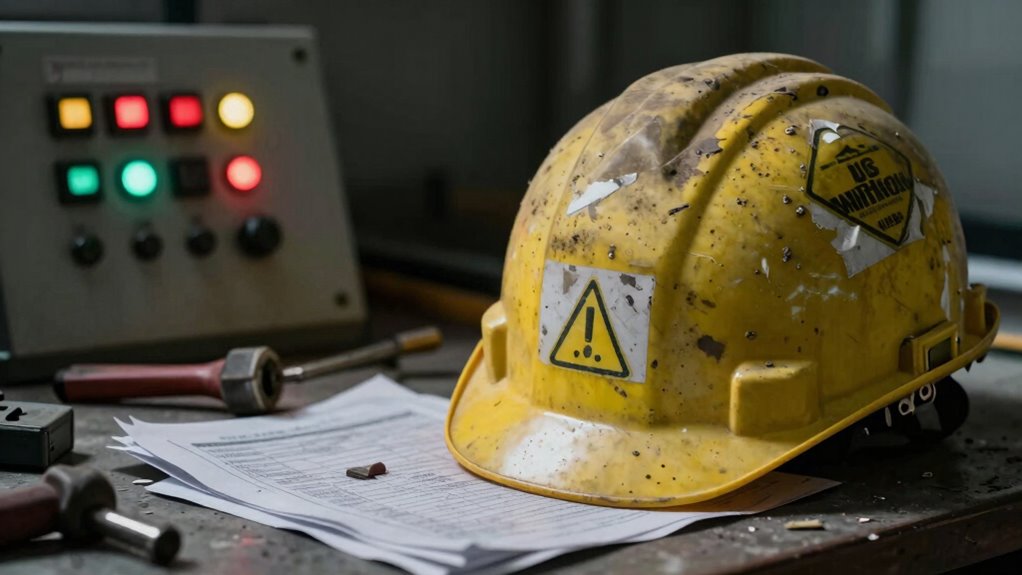
Have you ever considered how burnout can directly threaten safety in the workplace? It’s more than just feeling tired or overwhelmed; it’s a serious issue that impacts your ability to perform tasks safely. When burnout takes hold, your focus wavers, decisions become rushed, and mistakes increase—all of which can lead to accidents or injuries. The root isn’t always a lack of motivation; it’s often poor workload management. If you’re constantly pushed beyond your limits or expected to juggle too many responsibilities without adequate support, burnout can develop quietly. That’s why addressing workload management is critical. By balancing your tasks and setting realistic expectations, you create a safer environment where errors are less likely to happen. When work feels unmanageable, stress builds, and emotional resilience diminishes. This resilience—the ability to bounce back from setbacks—is essential for maintaining safety. When you lack emotional resilience, you’re more prone to react impulsively to stressful situations, increasing the risk of accidents.
Workload management isn’t just about reducing hours; it’s about prioritizing tasks, delegating when possible, and recognizing your limits. When you’re overloaded, your mental resources are stretched thin, making it harder to stay alert and make sound judgments. This strain can cause your attention to drift, increasing the chance of overlooking hazards or misjudging risks. It’s a cycle: excessive workload damages emotional resilience, which then compromises safety. To break that cycle, organizations need to support you in managing your workload effectively. Providing clear expectations, reasonable deadlines, and appropriate resources can help you maintain focus and handle stress better. Building emotional resilience isn’t just a personal effort; it’s a workplace responsibility. Techniques like mindfulness, stress management training, and fostering a supportive environment help you recover from daily pressures and stay alert to safety concerns. Recognizing burnout as a safety problem shifts the focus from individual motivation to systemic issues. When your workload is managed well, and you’re equipped to handle stress, your capacity to respond safely increases. It’s about creating a culture where safety isn’t sacrificed for productivity. By understanding that burnout begins with workload management and affects emotional resilience, you can take proactive steps—whether at an organizational level or personally—to prevent safety lapses. Recognizing workload management as a key factor can lead to more effective safety strategies across workplaces. Additionally, understanding the systemic causes of burnout helps organizations implement comprehensive solutions that address root issues rather than just symptoms. Implementing systemic solutions can help prevent burnout from becoming a persistent safety risk. A focus on indoor air quality and proper ventilation can also support overall employee well-being, reducing stress and fatigue. Ultimately, safety isn’t just about following rules; it’s about ensuring your well-being and that of everyone around you by addressing the hidden causes of burnout before they lead to accidents.
As an affiliate, we earn on qualifying purchases.
Frequently Asked Questions
How Can Safety Protocols Reduce Burnout Risks Among Employees?
Safety protocols can reduce burnout risks by promoting work-life balance and ergonomic design. When you prioritize proper ergonomics, you lessen physical strain and fatigue, helping employees feel more comfortable and focused. Encouraging regular breaks and setting clear boundaries supports work-life balance, preventing exhaustion. These safety measures show you value employee well-being, reducing stress and burnout, and creating a healthier, more sustainable work environment where everyone can thrive.
What Safety Measures Are Most Effective in Preventing Burnout?
You can prevent burnout by implementing safety measures that boost workplace resilience and employee engagement. For example, promote open communication, provide regular breaks, and guarantee ergonomic workspaces. These steps help employees feel supported and protected, reducing stress and fatigue. When staff know their safety is prioritized, they’re more resilient and engaged, which lowers burnout risks. Active safety protocols create a healthier, more motivated environment where employees thrive.
How Does a Safety Culture Impact Employee Mental Health?
A strong safety culture positively impacts your mental health by fostering workplace mindfulness and emotional resilience. When safety is prioritized, you feel secure and supported, reducing stress and anxiety. This environment encourages open communication, helping you manage challenges effectively. As a result, you develop better coping skills, stay engaged, and maintain overall well-being. A safety-focused culture creates a foundation where your mental health thrives alongside physical safety.
Are Safety Incidents Linked to Increased Burnout Rates?
Think of safety incidents as warning signals from a ship’s alarm system. When risk assessments are ignored or safety training is inadequate, these alarms go off, causing stress and fatigue. Over time, this heightened tension can lead to burnout. You might notice that when safety issues arise, employees feel overwhelmed, making burnout rates climb. Addressing safety proactively helps reduce both incidents and the risk of burnout.
What Role Does Management Play in Safety-Related Burnout Prevention?
Management plays a vital role in safety-related burnout prevention by demonstrating leadership accountability and fostering employee resilience. You should prioritize clear communication, consistent safety protocols, and supportive environments that empower employees to speak up about concerns. By actively supporting your team and addressing safety issues promptly, you help reduce stress and prevent burnout, ensuring workers feel valued and protected, which ultimately promotes a healthier, safer workplace for everyone.
stress relief mindfulness products
As an affiliate, we earn on qualifying purchases.
As an affiliate, we earn on qualifying purchases.
Conclusion
Imagine yourself in a workspace where the safety signals flicker, not just on the machines but in your mind. Burnout isn’t just a tired feeling—it’s a safety warning, a crack in the foundation that can lead to bigger falls. When you recognize it early, you protect not only your well-being but everyone around you. Addressing burnout as a safety issue keeps the environment secure, so you can stay steady on your path, resilient and ready for whatever lies ahead.
emotional resilience training courses
As an affiliate, we earn on qualifying purchases.
As an affiliate, we earn on qualifying purchases.
As an affiliate, we earn on qualifying purchases.
Halloween Picks
halloween
As an affiliate, we earn on qualifying purchases.