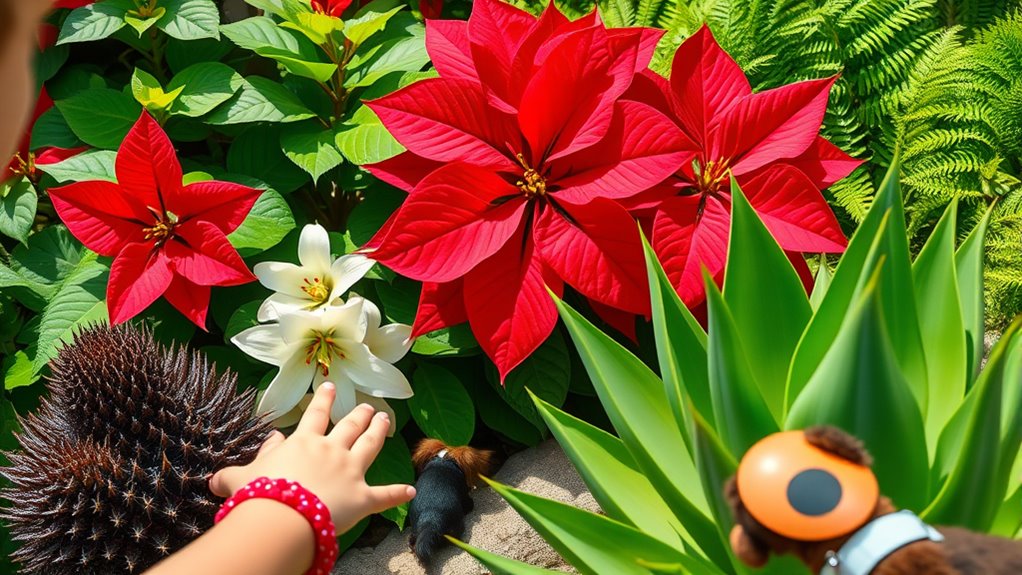

To protect your pets and children, it’s important to recognize common toxic plants like philodendrons, oleander, lilies, and dieffenbachia, which can cause symptoms from mouth irritation to severe health issues. Keep these plants out of reach, identify dangerous species, and educate everyone in your home about potential risks. Immediate action is vital if ingestion occurs. If you continue, you’ll find helpful tips to prevent exposure and respond effectively to accidental contact.

Get beauty and skincare favorites delivered free with Prime
- Fast, free delivery on millions of items
- Prime Video, Amazon Music and more included
- Member-only deals all year
Key Takeaways
- Recognize common toxic plants like oleander, lilies, and philodendrons to prevent accidental ingestion or contact.
- Know symptoms such as drooling, vomiting, difficulty breathing, or seizures indicating plant poisoning.
- Keep toxic plants out of reach of children and pets, using barriers or relocating hazardous plants.
- Educate caregivers and pet owners about dangerous plants and their risks for early detection and prevention.
- Seek immediate veterinary or medical help if poisoning is suspected, and have emergency contacts readily available.
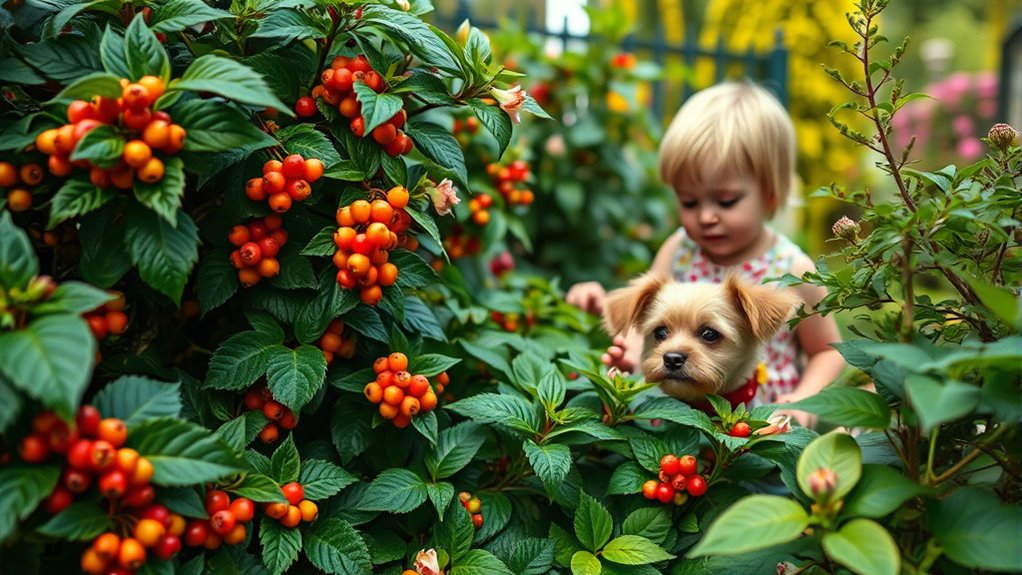
Plants can be beautiful and beneficial, but some species harbor toxins that pose risks to humans and animals alike. As a pet or parent, it’s essential to recognize common toxic plants and understand the symptoms of poisoning. Many household and garden plants look harmless, yet they can cause serious health issues if ingested or touched. Being aware of which plants are dangerous helps prevent accidental poisonings and guarantees your loved ones stay safe.
Some common toxic plants can cause serious health issues if ingested or touched.
Common toxic plants include popular varieties like philodendrons, oleander, lilies, and dieffenbachia. These plants are often found in homes, gardens, and even public spaces, making it easy for curious pets or children to come into contact with them. For instance, philodendrons contain calcium oxalates, which can cause oral irritation, drooling, and difficulty swallowing if chewed. Oleander, on the other hand, is highly toxic and can lead to nausea, vomiting, irregular heartbeat, or even death if ingested in larger quantities. Lilies, especially the Easter and tiger varieties, are particularly dangerous for cats, potentially causing kidney failure after ingestion. Recognizing these common toxic plants is the first step in preventing harm.
Understanding the symptoms of poisoning is equally important. When someone or a pet ingests a toxic plant, signs can vary depending on the plant and amount consumed. Typical symptoms include mouth irritation, excessive drooling, vomiting, diarrhea, difficulty breathing, weakness, or seizures. In some cases, poisoning may cause abnormal heart rhythms, tremors, or even coma. Additionally, regular bulb maintenance of certain plants can help reduce the risk of toxicity. Children and pets often explore their environment by chewing on plants, which can lead to rapid onset of symptoms. If you notice any of these signs after exposure to a suspected toxic plant, it’s essential to seek immediate medical attention or contact your veterinarian.
Prevention is key. Keep toxic plants out of reach of children and pets, especially those with a habit of chewing on things. Educate yourself on which plants are unsafe and replace or relocate them if necessary. When in doubt about a plant’s toxicity, consult reputable resources or speak with a gardening expert. Additionally, consider using barriers like plant cages or placing toxic plants in hanging baskets to reduce accessibility. Having emergency contact numbers for poison control or your veterinarian handy can make all the difference if accidental ingestion occurs.
pet and child safe plant barriers
As an affiliate, we earn on qualifying purchases.
As an affiliate, we earn on qualifying purchases.
Frequently Asked Questions
Which Common Houseplants Are Safe for Pets and Children?
You should consider safe plant options like spider plants, Boston ferns, and baby rubber plants, which are known to be pet friendly plants. These houseplants are non-toxic to pets and children, making them ideal for your home. Always verify with reputable sources before bringing new plants inside, and keep an eye on your pets and kids to prevent accidental ingestion. Choosing safe plant options helps keep everyone safe and happy.
How Can I Identify if My Plant Is Toxic?
Like a detective searching for clues, you can identify if your plant is toxic by observing plant toxicity signs such as discolored leaves, unusual spots, or a foul smell. Use identification tips like checking the plant’s label, researching its species online, or consulting a gardening expert. Keep an eye out for any symptoms in your pets or children after contact, and act quickly if you notice any adverse reactions.
What First Aid Steps Should I Take if Ingestion Occurs?
If ingestion occurs, you should immediately call poison control and follow their emergency response instructions. Do not induce vomiting unless specifically advised. Rinse their mouth with water if possible, and keep the plant or packaging nearby for identification. Stay calm and monitor their symptoms closely. Promptly seek medical attention if they show signs of distress, difficulty breathing, or persistent vomiting. Your quick action can make a critical difference.
Are Outdoor Plants More Toxic Than Indoor Ones?
You might think outdoor plants are more dangerous, but indoor plants can be just as risky. While outdoor plant risks include exposure to pesticides and natural toxins, indoor plant safety isn’t guaranteed—pets and kids often find indoor varieties more accessible. Don’t underestimate either; always identify your plants’ toxicity levels, keep hazardous plants out of reach, and remember, both environments can pose serious health threats if you’re not cautious.
How Can I Prevent Accidental Poisoning in My Home?
You can prevent accidental poisoning by practicing plant safety and poison prevention. Keep toxic plants out of reach of children and pets, and educate everyone in your home about which plants are dangerous. Use barriers or enclosures if necessary, and always supervise interactions with plants. Regularly check your plants for signs of damage or ingestion, and store all potentially harmful plants securely. These steps help create a safer environment for everyone.
toxic plant identification guide
As an affiliate, we earn on qualifying purchases.
As an affiliate, we earn on qualifying purchases.
Conclusion
By now, you realize that understanding plant toxicity isn’t just a small detail—it’s the key to safeguarding your loved ones. With the knowledge you’ve gained, you can prevent what might seem like minor mishaps from turning into catastrophic disasters. Remember, a single careless moment around toxic plants could be as dangerous as walking through a minefield. Stay vigilant, educate yourself, and keep your home a safe haven for both pets and children—because their safety depends on your awareness.
pet and child proof plant containers
As an affiliate, we earn on qualifying purchases.
As an affiliate, we earn on qualifying purchases.
houseplants safe for pets and children
As an affiliate, we earn on qualifying purchases.
As an affiliate, we earn on qualifying purchases.
Columbus Day / Indigenous Peoples' Day Picks
long weekend sales
As an affiliate, we earn on qualifying purchases.