
To develop a code of conduct for retreat participants, clearly outline expectations around confidentiality, respectful communication, punctuality, and engagement. Emphasize the importance of creating a safe, supportive environment where everyone feels valued and heard. Encourage kindness, patience, and active listening, while setting boundaries for respectful interactions. Establish guidelines for handling conflicts privately to maintain harmony. If you want to foster trust and community, understanding these key elements will guide you in crafting an effective code of conduct.
Key Takeaways
- Define confidentiality guidelines to ensure privacy and foster trust among participants.
- Promote respectful communication by encouraging kindness, active listening, and patience.
- Establish expectations for punctuality, full participation, and respectful handling of disagreements.
- Emphasize creating a safe, supportive environment that respects emotional and physical boundaries.
- Outline overall conduct standards to promote self-care, consideration, and a positive community atmosphere.

Participating in a retreat offers a unique opportunity for growth, reflection, and connection, but it also comes with the responsibility to create a respectful and supportive environment. One of the most important steps in achieving this is developing a clear and thorough code of conduct for all participants. This code sets the tone for behavior and establishes guidelines that foster trust, safety, and mutual respect throughout the event. When you craft these guidelines, pay close attention to confidentiality expectations. Retreats often involve sharing personal stories, insights, and vulnerabilities. Clarify that what is shared during sessions remains confidential, and emphasize the importance of respecting privacy. This not only encourages openness but also helps participants feel secure in sharing authentically without fear of judgment or exposure outside the retreat setting.
Respectful communication forms the backbone of a successful retreat environment. Your code should specify that all interactions must be conducted with kindness, patience, and understanding. Encourage active listening and discourage interrupting or dismissing others’ perspectives. Remind participants that words can have a lasting impact, so they should speak thoughtfully and avoid language that could be hurtful or offensive. Creating a culture of respectful communication ensures everyone feels heard, valued, and comfortable to participate fully. Additionally, fostering an environment of emotional safety can significantly enhance the overall experience for all involved.
In addition to these core principles, your code of conduct should outline expectations for punctuality, participation, and engagement. Clarify that showing up on time and participating actively demonstrates respect for others’ time and effort. Establish guidelines for handling disagreements constructively, emphasizing the importance of addressing conflicts privately and respectfully rather than publicly confronting others. This helps maintain a positive atmosphere and prevents conflicts from escalating.
Finally, your code should include provisions for the well-being of all participants. Encourage self-care and remind everyone to be mindful of their physical and emotional limits. Make it clear that the retreat is a safe space where individuals can seek support if needed. By setting clear expectations around confidentiality, respectful communication, and overall conduct, you help create an environment where everyone feels safe, valued, and empowered to participate fully. This foundation not only enhances individual growth but also fosters a sense of community that can extend well beyond the retreat itself. When you prioritize these principles, you lay the groundwork for a meaningful, transformative experience for everyone involved.

Portable Full Size Infrared Sauna for Home,Pentagonal Size Far Infrared Sauna,One Person Sauna Tent with Heating Foot Pad, Portable Chair, (L38 x W38 x H63, Grey)
YOU PRIVATE SAUNA - Experience the privacy of your own sauna with our portable infrared sauna and recover...
As an affiliate, we earn on qualifying purchases.
Frequently Asked Questions
How Should Conflicts Between Participants Be Handled?
When conflicts arise, you should implement clear mediation procedures to facilitate conflict resolution. Encourage open communication, listen actively to all parties, and remain neutral. You may need to bring in a trained mediator if necessary. By establishing these procedures beforehand, you create a safe environment where participants feel supported and respected. Always address conflicts promptly, aiming for understanding and mutual agreement to maintain a positive retreat experience.
Are There Consequences for Violating the Code of Conduct?
Yes, there are consequences for violating the code of conduct. You should be aware that behavior expectations are clearly outlined, and disciplinary procedures are in place to address any violations. If you breach these guidelines, you may face actions such as warnings, suspension from activities, or removal from the retreat. These measures help maintain a respectful environment for all participants and ensure everyone understands the importance of adhering to the code.
Can the Code Be Modified for Different Retreats?
Think of your code as a flexible map guiding each retreat’s journey. You can adapt it for different destinations by considering cultural considerations and accessibility adaptations. Just like adjusting a route for diverse terrains, modify the rules to respect local customs and make sure everyone can participate comfortably. These tweaks help create an inclusive environment, making each retreat a unique, respectful adventure tailored to its participants’ needs.
Who Enforces the Code of Conduct During the Retreat?
You, as a participant, are responsible for following the Code of Conduct during the retreat. Staff members enforce it through participant training and ongoing supervision. They conduct regular code reviews to guarantee everyone understands and adheres to the rules. If issues arise, they address them promptly, maintaining a respectful environment. Your cooperation and awareness during the retreat help uphold the standards set in the code, ensuring a positive experience for all.
Is There a Process for Reporting Violations Anonymously?
Sure, because who wouldn’t want to risk their identity in a perfect world? You can report violations anonymously through a dedicated system that guarantees confidentiality assurance. This way, you feel safe sharing concerns without fear of repercussions. The process encourages honesty and trust, helping maintain a respectful environment. Rest assured, your anonymity is protected, making it easier to address issues promptly and effectively without anyone knowing who raised them.

iDOTODO Full Size Portable Personal Infrared Sauna for Home, Personal Home Spa Tent with Remote Control, Heating Foot Pad, Foldable Reinforced Chair (Grey, L33.8 x W 33.8" x H 66.5"
Detachable Design: A Detachable frame design conveniently folds for transport or storage. Waterproof inner material is easy to...
As an affiliate, we earn on qualifying purchases.
Conclusion
By embracing this code of conduct, you’ll transform your retreat experience into something truly unforgettable—like a once-in-a-lifetime adventure. Your respect, openness, and kindness can turn ordinary moments into powerful connections and profound growth. Remember, your behavior sets the tone for everyone around you, so choose to lead with integrity and compassion. Together, we can create an environment so inspiring that it’ll be remembered long after the retreat ends—truly a life-changing journey!
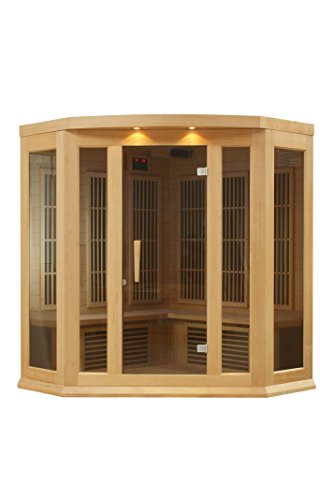
DYNAMIC SAUNAS Maxxus 3 Per Low EMF FAR Infrared Carbon Corner Canadian Hemlock Sauna
8 Low EMF FAR Infrared Carbon Heating Panels
As an affiliate, we earn on qualifying purchases.
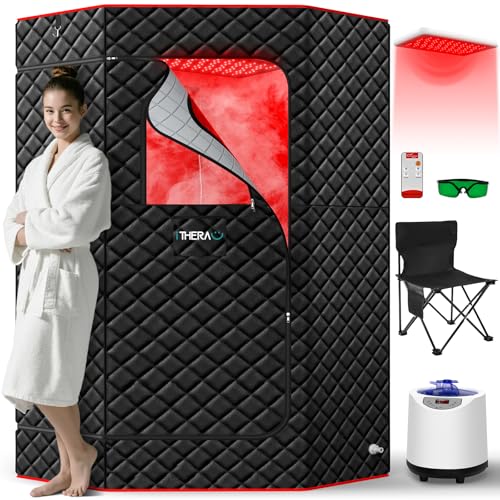
I-THERA-U XL Infrared Sauna Box with True 660 & 850nm Red Light Therapy Lamp, Portable Red Light Sauna for Home, Full Body Steam Tent with 3L 1200w Steamer, 15 Levels Heat, Chair, Remote
【Upgrade with Red Light Therapy】Comes with professional-grade red light therapy lamp, 108pcs 660nm red light(visible), 216pcs 850nm NIR...
As an affiliate, we earn on qualifying purchases.