
The best retreat spaces carefully balance privacy and belonging by designing areas that offer both solitude and opportunities for connection. You’ll find secluded nooks or private gardens nestled within communal areas, encouraging personal reflection without isolation. Natural elements like trees and water features foster tranquility and immersion. Spaces that blend indoor and outdoor environments help you recharge while staying connected. If you keep exploring, you’ll discover how to create environments that support both individual peace and shared community.

Get beauty and skincare favorites delivered free with Prime
- Fast, free delivery on millions of items
- Prime Video, Amazon Music and more included
- Member-only deals all year
Key Takeaways
- Incorporate secluded nooks and private gardens within communal areas to provide personal retreat options.
- Design layered spaces that allow for both solitude and social interaction, ensuring comfort for individual and group needs.
- Use natural elements and sensory harmony to create tranquil environments that foster both privacy and community connection.
- Facilitate shared activities alongside private zones to promote belonging without sacrificing solitude.
- Maintain a balance where personal retreats are integrated seamlessly into the overall design, avoiding isolation.

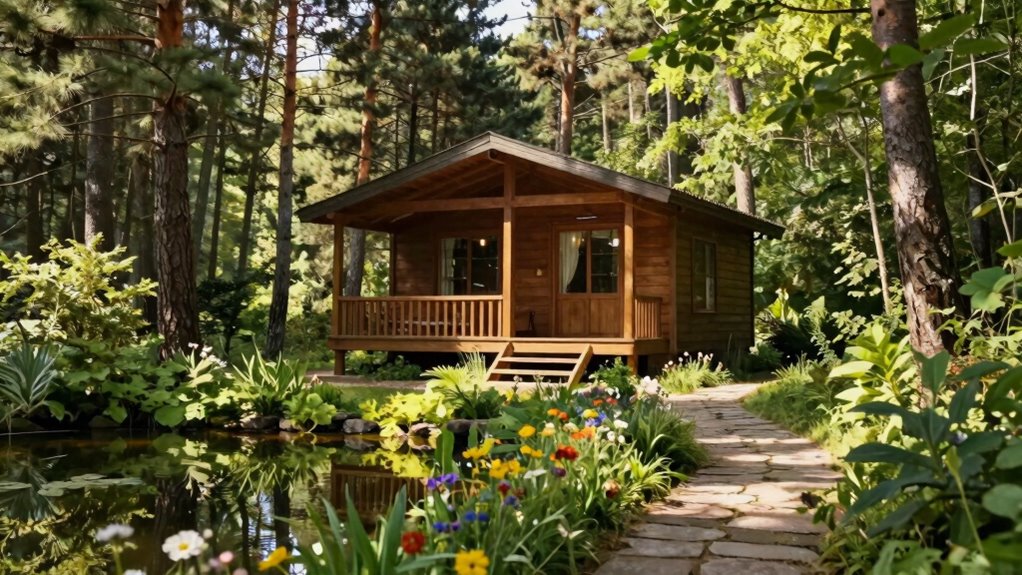
Have you ever wondered how to create retreat spaces that feel both private and welcoming? Striking this balance is essential because it allows individuals to disconnect and recharge while still feeling connected to others. One of the most effective ways to achieve this is through nature immersion. Incorporating natural elements—such as trees, water features, or open sky—can foster a sense of tranquility and solitude. When you design retreat spaces that blur the boundaries between indoors and outdoors, you encourage guests to feel immersed in nature, which naturally promotes relaxation and introspection. By creating secluded nooks or private gardens within larger communal areas, you give people places to retreat for solitude, yet remain part of the larger community. This integration helps foster a sense of harmony, where privacy doesn’t mean isolation.
At the same time, the best retreat spaces recognize the importance of community connection. You want your space to nurture relationships, whether among small groups or individuals seeking shared experiences. Incorporating communal areas—like fire pits, shared dining spaces, or cozy lounges—invites spontaneous interactions and strengthens bonds. Thoughtfully designed spaces that encourage both solitude and socialization help individuals feel they belong without sacrificing their need for privacy. For example, you might include separate private cabins or quiet zones away from the main gathering areas, ensuring that those seeking peace have a refuge, while others can engage with the community. This layered approach allows everyone to find their comfort zone within the same environment, fostering a sense of belonging that’s unobtrusive and genuine.
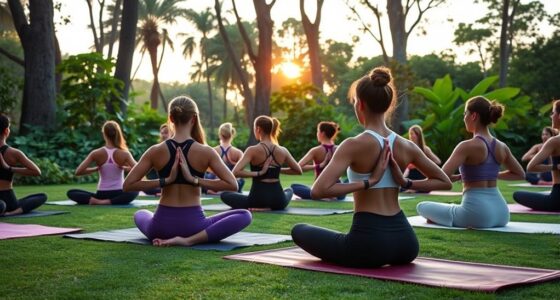
Creating a retreat that balances privacy and belonging also involves paying attention to sensory experiences. Use natural sounds, soft lighting, and calming textures to craft a welcoming atmosphere. When people feel comfortable and safe, they’re more likely to open up and connect with others. You should aim for spaces that invite reflection but also facilitate shared moments—like group meditation sessions, nature walks, or communal meals. These activities build community connection, yet each individual can easily retreat to a secluded spot afterward to recharge. Incorporating natural elements can enhance these experiences by fostering a deeper connection to the environment and promoting well-being. Additionally, designing for sensory harmony can help create a more balanced and restorative environment. Understanding the benefits of nature immersion can deepen the impact of your design choices, making the retreat more effective at promoting well-being. The key is designing a flexible environment that adapts to different needs, ensuring that everyone feels both heard and respected.
Products Worth Considering

Therabody Theragun Mini 3rd Generation Percussive Massage Gun, Black

Oral-B iO Series 3 Rechargeable Electric Toothbrush for Adults, Black, 3 Modes, 2 Brush Heads and Travel Case

Garmin Forerunner 265S 42 mm GPS Running Watch, Light Pink and Powder Gray
As an affiliate, we earn on qualifying purchases.
Frequently Asked Questions
How Do Retreat Spaces Accommodate Different Types of Retreats?
You can accommodate different types of retreats by offering personalized experiences that cater to specific needs, whether for wellness, creativity, or spiritual growth. Incorporate cultural integration to make participants feel connected and respected, blending local traditions into activities. Flexible spaces allow privacy for reflection and group areas for community, ensuring every retreat feels tailored and welcoming. This approach helps create a versatile environment that adapts to various retreat goals.
What Are Common Challenges in Maintaining Privacy and Belonging?
You might find it challenging to maintain privacy and foster social integration simultaneously. Personal boundaries can sometimes feel compromised when spaces aren’t well-designed, leading to discomfort. Conversely, too much separation can hinder a sense of belonging. To address this, you need clear boundaries while creating opportunities for meaningful connection. Balancing private areas with communal spaces helps guarantee everyone feels respected yet included, supporting both individual needs and group cohesion.
How Do Retreat Spaces Adapt for Large Groups Versus Small Gatherings?
Like a master sculptor shaping clay, you tailor retreat spaces for large groups by creating flexible, personalized layouts that foster connection without sacrificing privacy. For small gatherings, you emphasize intimacy through acoustic considerations, ensuring conversations stay private and comfortable. When adapting for different sizes, you strike a balance, using movable partitions or open-plan designs, so everyone feels both connected and at ease, regardless of the group’s size.
What Amenities Enhance the Balance of Privacy and Community?
You’ll find that wellness amenities like meditation gardens, quiet zones, and cozy lounges enhance privacy, while communal spaces such as shared dining areas and group activity rooms foster a sense of belonging. Incorporate mindfulness practices like guided meditation sessions or yoga classes to deepen the balance. These amenities create an environment where guests can enjoy solitude when needed, yet easily connect, promoting both individual well-being and a supportive community atmosphere.
How Do Location and Environment Influence Retreat Space Design?
Imagine a retreat nestled in lush forests, where natural aesthetics blend seamlessly with your surroundings. Location and environment shape your space by inspiring tranquility and reflection, influenced by cultural elements that honor local traditions. These factors create a sanctuary that feels both private and welcoming, much like a well-tended garden—carefully designed to foster peace while respecting its environment. Your retreat becomes a true reflection of its place and purpose.
Conclusion
Remember, finding the right retreat space is about striking that perfect balance between privacy and belonging. When you create a sanctuary where you can both recharge and connect, you nurture your well-being. It’s like tending a garden—you need space to grow, but also companionship to thrive. As the saying goes, “A house divided cannot stand.” Embrace spaces that nurture your spirit and foster community, and you’ll find harmony in both solitude and togetherness.