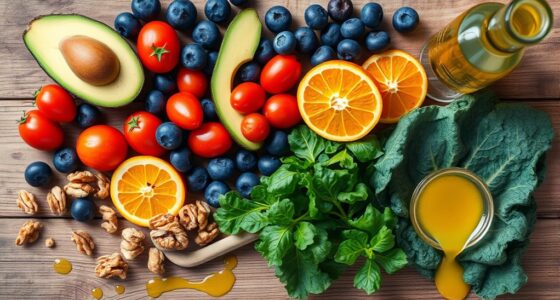
Eating with the seasons helps you enjoy fresher, more flavorful foods that are harvested at their peak, ensuring you’re getting more nutrients and natural taste. It also reduces your environmental impact by cutting down on transportation and supporting local farmers. By aligning your diet with nature’s cycles, you promote sustainability, flavor, and community connection. If you want to learn how embracing seasonal eating benefits you and the planet, keep exploring these natural rhythms.
Key Takeaways
- Eating seasonally ensures foods are harvested at their nutritional peak, maximizing health benefits.
- Aligning with natural cycles reduces reliance on artificial ripening and long-distance transportation, supporting freshness and flavor.
- Seasonal eating promotes sustainable farming practices, reducing environmental impact and conserving resources.
- Consuming local, seasonal foods fosters community connections with farmers and supports local economies.
- Following seasonal cycles encourages diverse, flavorful diets that enhance overall well-being and environmental responsibility.

Eating with the seasons isn’t just a trend; it’s a simple way to enjoy fresher, more flavorful foods while supporting local farmers and reducing your environmental footprint. When you choose seasonal produce, you’re naturally aligning your diet with the cycles of nature, which often means foods are harvested at their peak ripeness. This not only preserves their nutritional value but also enhances their flavor. Freshly picked fruits and vegetables tend to be more vibrant and tasty because they don’t need artificial ripening or long-distance transportation, both of which can diminish quality. As a result, your meals become more enjoyable, and you get to savor the true essence of each ingredient.
By focusing on seasonal eating, you’re also promoting sustainable farming practices. Local farmers who grow crops in tune with the seasons often use fewer resources like water, energy, and synthetic fertilizers, minimizing their environmental impact. This approach encourages biodiversity, as farmers rotate crops and avoid monoculture, which can degrade soil health over time. Supporting these practices helps create a resilient food system that benefits the environment and future generations. When you buy seasonal produce, you’re directly contributing to this cycle of sustainability, ensuring that the land remains fertile and productive.
Flavor enhancement is another key benefit of eating with the seasons. When fruits and vegetables are harvested at their natural peak, they contain higher levels of sugars, vitamins, and minerals. This means your dishes naturally taste better, without needing extra salt, sugar, or artificial flavorings. Seasonal ingredients bring a depth of flavor that’s hard to replicate with out-of-season produce or processed foods. For example, summer tomatoes are bursting with juice and sweetness, while winter root vegetables develop a hearty, earthy richness that elevates your soups and roasts. Incorporating seasonal produce into your meals allows you to explore diverse flavors throughout the year, making your diet more exciting and satisfying.
In essence, choosing to eat with the seasons isn’t just about health; it’s an act of mindful consumption that supports sustainable farming, boosts flavor, and fosters a stronger connection to the natural world. You get to enjoy foods at their best, knowing you’re making choices that benefit both your palate and the planet. By paying attention to what’s in season, you can create meals that are more vibrant, nourishing, and environmentally friendly—all while deepening your appreciation for the cycles of nature.

PRAKI 5-Pack Large Fruit Storage Containers for Fridge with Removable Colander, 2 in 1 Produce Storage Containers, BPA-Free Fridge Organizers and Storage Keep Fruits, Vegetables, Berry Fresh Longer
5 Size Fit Your Needs:Our produce saver containers set comes in five different sizes. Include 5 pack of…
As an affiliate, we earn on qualifying purchases.
As an affiliate, we earn on qualifying purchases.
Frequently Asked Questions
How Can Seasonal Eating Improve Mental Health?
Eating seasonally can boost your mental health by stabilizing your seasonal mood and enhancing mental clarity. When you consume fresh, local foods aligned with the seasons, your body gets essential nutrients that support neurotransmitter production and brain function. This natural rhythm helps regulate your energy levels and mood, reducing feelings of depression or fatigue during darker months. Embracing seasonal eating keeps you connected to nature, fostering a sense of well-being and balance.
Are There Any Risks Associated With Eating Only Seasonal Foods?
Eating only seasonal foods can pose risks like nutritional deficiencies if certain nutrients aren’t available locally year-round. You might also face increased pesticide exposure if produce isn’t thoroughly cleaned or if conventional farming uses chemicals. To stay balanced, diversify your diet within the season, choose organic options when possible, and consider supplements if needed. This way, you enjoy the benefits without risking your health.
How Does Seasonal Eating Impact Food Waste Reduction?
You can reduce food waste by about 30% with seasonal eating, as it encourages you to buy only what’s in harvest. This promotes better food preservation and supports crop diversity, which strengthens local ecosystems. When you eat seasonally, you’re less likely to over-purchase or let food spoil, making your consumption more sustainable. It’s a simple way to help cut waste and promote a healthier planet.
Can Seasonal Eating Support Local Economies Effectively?
Yes, seasonal eating supports local economies effectively. By shopping at farmers’ markets and participating in Community Supported Agriculture (CSA), you directly boost local farmers and small businesses. These initiatives keep money within your community, foster relationships, and encourage sustainable practices. When you buy seasonal, you’re helping local economies thrive, reduce transportation costs, and promote fresh, healthy produce that benefits everyone involved.
What Are the Best Ways to Transition to Seasonal Eating?
You can start shifting to seasonal eating by adjusting your meal planning and grocery shopping habits. Begin by researching what’s in season locally and plan your meals around those ingredients. When grocery shopping, choose fresh, seasonal produce, and consider visiting farmers’ markets for variety and freshness. Gradually replace out-of-season items with seasonal options, making the switch seamless and enjoyable while supporting local growers.

Farm Fresh Basket, Organic Produce Rubber Stamp – Heritage-Made 3 Line Tag Standard 1-5/8 Square Wood Handle for Farmers & Small Business Owners, Customizable Labeling Tool Tags
ORGANIC PRODUCE STAMP LABELING – Heritage-made 3-line imprint designed specifically for instantly brand tags with Farm Fresh artwork…
As an affiliate, we earn on qualifying purchases.
As an affiliate, we earn on qualifying purchases.
Conclusion
By embracing seasonal eating, you connect with nature’s rhythm like a dance partner moving in perfect sync. As you select foods aligned with each season, you nourish your body with fresher, more flavorful produce while supporting local farmers. It’s a simple way to honor the cycles around you and boost your well-being. So, start today—think of it as tuning into nature’s melody, creating harmony between your health and the world outside.
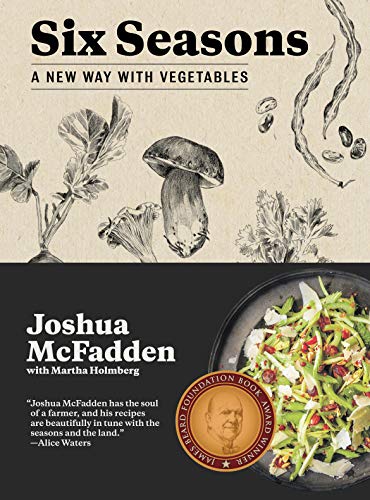
Six Seasons: A New Way with Vegetables
As an affiliate, we earn on qualifying purchases.
As an affiliate, we earn on qualifying purchases.
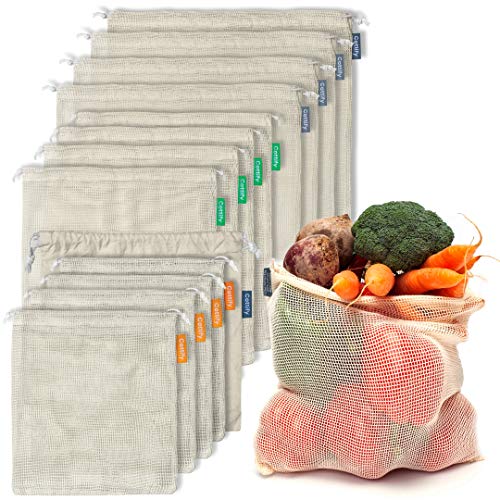
12+1 Reusable Produce Bags Grocery Washable, Organic Cotton Mesh Produce Bags, Double-Stitched & Tare Weigh, Mesh bags for vegetables, Cotton Produce Bags Reusable Washable, Produce bag 4xS, 4xM, 4xL
🍏 LIGHTWEIGHT AND STRONG: The weight of these reusable vegetable bags for refrigerator is among the lowest on…
As an affiliate, we earn on qualifying purchases.
As an affiliate, we earn on qualifying purchases.