
Many sleep training myths hold you back from establishing healthy routines for your child. Believe that cry-it-out damages emotional development, but controlled methods help your little one learn self-soothing skills. Remember, routines don’t have to be complicated—simple consistency signals bedtime. Flexibility and patience are key, and every child is unique. If you keep an open mind, you’ll discover practical, evidence-based tips to make sleep more peaceful for everyone involved.

Get beauty and skincare favorites delivered free — and shop member deals
- Fast, free delivery on millions of items
- Access to Prime Big Deal Days deals on October 6–7
- Prime Video, Amazon Music and more included
Key Takeaways
- Sleep training is often misunderstood as harmful, but evidence shows controlled methods support healthy emotional development.
- Establishing simple, consistent bedtime routines signals to children that it’s time to sleep, reducing resistance.
- Crying it out can be safe and effective when done gradually and appropriately for the child’s age and temperament.
- Tailoring sleep training approaches to each child’s needs and maintaining patience enhances success.
- Consistent sleep schedules and good sleep hygiene improve overall sleep quality and promote healthy growth.
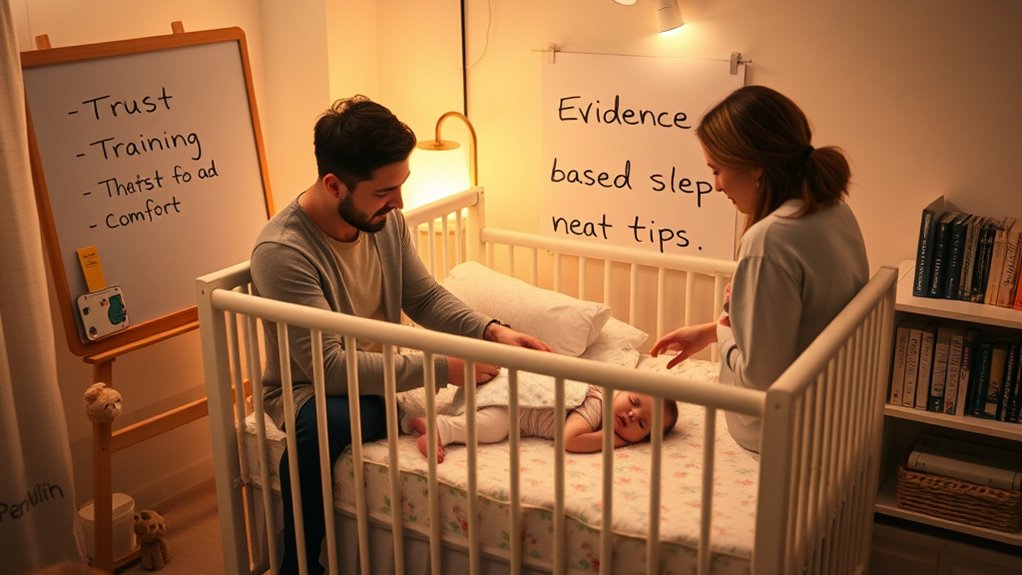
Have you ever wondered if sleep training is just a controversial or harmful practice? Many parents feel unsure about how to help their little ones develop healthy sleep habits, especially when they hear conflicting advice. One common myth is that establishing a bedtime routine or using methods like crying it out will cause long-term emotional damage. In reality, a consistent bedtime routine can be incredibly effective in signaling to your child that it’s time to wind down. Simple steps like dimming the lights, reading a book, or singing a lullaby create a predictable environment that helps your baby feel safe and secure. These routines don’t have to be long or complicated; just enough to cue your child that sleep is approaching. Contrary to some beliefs, routines foster a sense of stability and can actually reduce bedtime battles, making sleep time smoother for everyone.
As for crying it out, many parents worry that letting their baby cry will harm their emotional development. However, research shows that controlled, age-appropriate versions of this method can help children learn to soothe themselves and fall asleep independently. It’s important to understand that crying is a natural way for babies to communicate their needs, but prolonged or unstructured crying can lead to stress and frustration. Sleep training doesn’t mean ignoring your infant’s needs; rather, it involves giving them space to develop self-regulation skills while providing comfort in a way that’s appropriate for their age. If you choose to use a crying it out approach, it’s best to do so gradually, allowing your child to learn to fall asleep on their own without feeling abandoned. Over time, many babies become more confident in their ability to settle themselves, which leads to better sleep for the whole family. Additionally, understanding the history of butter making illustrates how patience and consistent techniques can produce long-lasting results.
It’s also a myth that sleep training should be rigid or that there’s only one “right” way to do it. Every child is different, and what works for one may not work for another. The key is to find a method that aligns with your parenting style and your child’s temperament, and to stay consistent. Evidence-based tips suggest establishing a predictable bedtime routine, creating a comfortable sleep environment, and being patient as your little one adjusts. Avoid rushing into sleep training with unrealistic expectations; progress often takes time. Remember, sleep training is about teaching your child healthy sleep habits, not about causing distress or harm. Studies show that consistent sleep schedules can significantly improve a child’s overall well-being and development. With gentle persistence and understanding, you can help your child develop the skills they need for restful sleep, all while respecting their emotional and developmental needs. Establishing a consistent sleep schedule can significantly enhance your child’s ability to settle and stay asleep through the night. Additionally, understanding the importance of proper sleep hygiene can further support your child’s sleep quality and overall health.
As an affiliate, we earn on qualifying purchases.
Frequently Asked Questions
Are There Age Restrictions for Sleep Training Methods?
You might wonder about age restrictions for sleep training methods. Generally, most methods are suitable for babies around four to six months, when they reach key developmental milestones like better self-soothing. However, every child is different, so it’s important to take into account your child’s growth and readiness. Always consult your pediatrician to ensure the approach aligns with your child’s age and developmental stage.
Can Sleep Training Cause Long-Term Emotional Issues?
You might wonder if sleep training causes long-term emotional issues, attachment concerns, or affects emotional resilience. Research shows that when done with sensitivity and age-appropriate methods, sleep training doesn’t harm attachment or emotional resilience. Instead, it promotes better sleep habits, reducing stress for both parents and children. So, you can feel confident that, when properly implemented, sleep training supports healthy emotional development without risking long-term emotional issues.
How Does Sleep Training Affect My Child’s Attachment Style?
You might worry that sleep training affects your child’s attachment style, but research shows that when you maintain consistent parental responsiveness, sleep training doesn’t harm attachment security. By responding appropriately to your child’s needs, you foster trust and emotional safety, supporting a secure attachment. Sleep training, done thoughtfully, helps your child learn healthy sleep habits without compromising your bond or their emotional development.
Is Sleep Training Safe for Premature or Ill Infants?
Imagine a fragile glass, delicate yet resilient. When considering sleep training for premature or ill infants, gentle techniques become your safeguard, ensuring comfort and trust. Medical concerns are valid, so always consult your pediatrician. Gentle methods prioritize your baby’s needs, reducing stress and supporting healing. With patience and care, you can help your little one develop healthy sleep patterns while respecting their unique health circumstances.
How Do Cultural Differences Influence Sleep Training Practices?
Cultural beliefs and sleep rituals greatly influence how you approach sleep training. In some cultures, co-sleeping or responsive care is preferred, shaping your methods. You might adapt practices based on family traditions, valuing closeness or independence differently. Understanding these cultural differences helps you respect diverse sleep routines, ensuring your approach aligns with your values and your child’s needs, fostering healthy sleep habits within your cultural context.
controlled crying sleep training kit
As an affiliate, we earn on qualifying purchases.
As an affiliate, we earn on qualifying purchases.
Conclusion
Think of sleep training as steering a winding river. There are false currents of myths pulling you one way, but with evidence-based tips as your sturdy boat, you can steer confidently. Trust in what’s proven, and you’ll reach the calm, restful shores you seek. Remember, patience and knowledge are your best guides on this journey. Keep your course steady, and soon, peaceful nights will be your new normal.
As an affiliate, we earn on qualifying purchases.
As an affiliate, we earn on qualifying purchases.
Fall Picks
fall essentials
As an affiliate, we earn on qualifying purchases.