
Smart mirrors can be a smart upgrade if you’re tech-savvy, value health tracking, and have space for installation. They connect seamlessly with your Wi-Fi and smart home devices, making daily routines more efficient. But if you’re concerned about privacy, find setup complicated, or don’t need extra features, they might be unnecessary. Knowing your household priorities and comfort with technology will help you decide if a smart mirror makes sense for you. Keep exploring to discover more about their pros and cons.

Get beauty and skincare favorites delivered free with Prime
- Fast, free delivery on millions of items
- Prime Video, Amazon Music and more included
- Member-only deals all year
Key Takeaways
- Smart mirrors are beneficial for tech-savvy households seeking integrated health, weather, and smart home features.
- Privacy concerns and data security issues may outweigh benefits in privacy-sensitive or shared living environments.
- Installation complexity and space requirements can make smart mirrors impractical for some homes.
- Compatibility with existing devices and household tech proficiency influence the device’s usefulness.
- Traditional mirrors remain preferable if smart features are unnecessary or privacy and installation are major concerns.
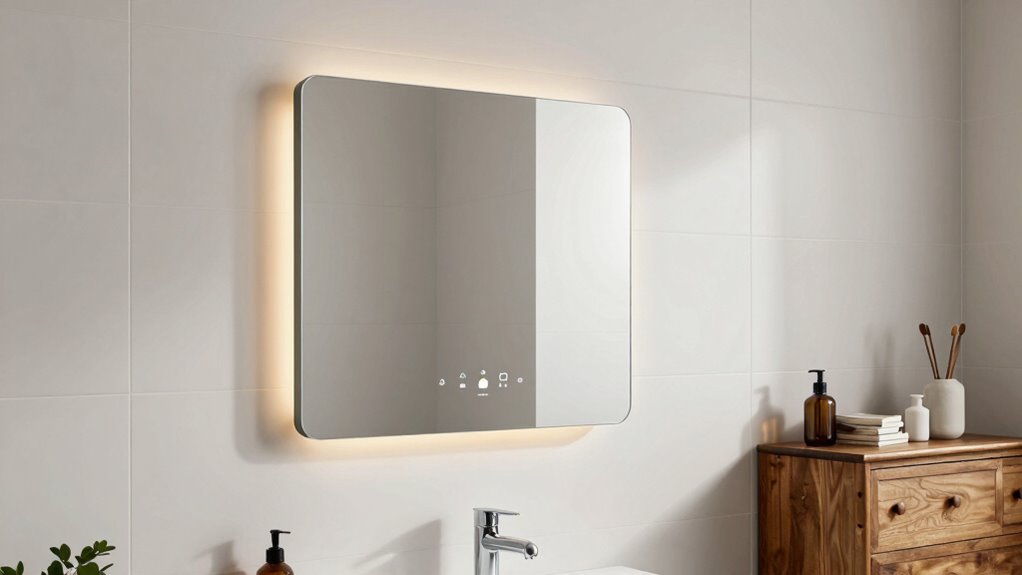
Smart mirrors, which integrate technology into your reflection, can be a game-changer for some households but feel unnecessary or even intrusive for others. If you’re considering one, it’s important to weigh both the benefits and the potential drawbacks. For starters, these mirrors often connect to your Wi-Fi, offering features like health tracking, weather updates, or even virtual try-ons. But this connectivity raises privacy concerns. You might worry about how your personal data is stored or shared, especially if the mirror collects sensitive health or biometric information. If privacy is a top priority for you, that could be a deal-breaker.
Smart mirrors connect to Wi-Fi, offering health tips and virtual try-ons, but raise privacy concerns for sensitive data.
Beyond privacy, installation challenges can also influence whether a smart mirror makes sense for your home. These devices usually require a stable Wi-Fi connection and sometimes need to be mounted on a specific wall, which might involve drilling, cable management, or compatibility with existing outlets. If your space is tight, or if your walls are difficult to work with, installing a smart mirror could turn into a formidable task. Plus, some models are heavier or larger than traditional mirrors, making placement more complicated. If you’re not comfortable with DIY projects or professional installation costs, that can add to the overall inconvenience. Additionally, understanding the technology integration involved can help you determine if this upgrade fits your lifestyle. Recognizing the importance of smart home compatibility can also influence how seamlessly the device fits into your existing setup.
You also need to think about your daily routines. If you’re tech-savvy and enjoy integrating gadgets into your home, a smart mirror could streamline your morning routine, giving you quick access to news, calendar reminders, or fitness stats while you get ready. On the other hand, if you prefer simplicity and minimalism, a regular mirror might serve you just fine without the added complexity or concerns about data security. Remember, not all smart mirrors are equally user-friendly; some have steep learning curves or require constant updates. Furthermore, assessing the compatibility with existing devices can help ensure a seamless integration into your smart home ecosystem.
Furthermore, consider your household’s privacy environment. If you live with others, especially children or privacy-conscious family members, you’ll need to decide whether everyone’s comfort level aligns with having a device that constantly collects and potentially shares information. For some, the idea of a mirror that’s always “listening” or “watching” can feel invasive, regardless of the benefits. Recognizing the privacy implications involved can help you make an informed decision about whether this technology aligns with your household values. It’s also worth noting that the data security measures of the manufacturer can vary, which could impact your decision.
In the end, whether a smart mirror makes sense depends on your comfort with technology, your priorities around privacy, and your home’s physical setup. If the installation challenges seem manageable and you see value in the added features, it might be worth it. But if privacy concerns overshadow the benefits or mounting the device feels formidable, sticking with a traditional mirror remains a perfectly good choice.
smart mirror with health tracking
As an affiliate, we earn on qualifying purchases.
As an affiliate, we earn on qualifying purchases.
Frequently Asked Questions
Are Smart Mirrors Easy to Install for Non-Technical Homeowners?
Smart mirrors can be fairly easy for you to install if you have some DIY experience, but they might not be suitable for those lacking technical expertise. Many models come with straightforward instructions and require basic tools, making DIY installation possible. However, if you’re not comfortable with wiring or mounting, it’s wise to seek professional help to guarantee safety and proper setup.
How Do Smart Mirrors Impact Home Security and Privacy?
Smart mirrors can impact your home security and privacy through potential privacy concerns and data security risks. As they collect personal data like images or health info, hackers could access this sensitive information if not properly protected. You should guarantee the smart mirror has strong encryption and privacy controls. Being aware of these risks helps you make informed decisions, keeping your personal data safe while enjoying the benefits of smart technology.
What Is the Typical Lifespan of a Smart Mirror?
Imagine your smart mirror as a sturdy ship sailing through tech seas; its durability and voyage depend on build quality and updates. Typically, a smart mirror lasts around 5 to 10 years, depending on maintenance and usage. As with any vessel, mirror durability and tech lifespan are key. Regular updates and careful handling can extend its journey, but eventually, hardware and software may become outdated, signaling the need for replacement.
Can Smart Mirrors Integrate With Existing Smart Home Systems?
Yes, smart mirrors can integrate with your existing smart home systems, thanks to their compatibility features. You can connect them with devices like smart lights, thermostats, or voice assistants for seamless control. However, consider smart mirror compatibility issues and privacy concerns, especially since these mirrors often collect personal data. Make sure to review your privacy settings and choose models that prioritize data security to protect your information.
Do Smart Mirrors Require Ongoing Subscription Fees?
Most smart mirrors don’t require ongoing subscription fees, but some models with premium features might. You should check the specific product’s subscription costs before buying. Keep in mind, privacy concerns can arise if your smart mirror shares data with third parties or requires cloud storage. If privacy is a priority, opt for models that minimize data sharing and don’t rely on ongoing subscriptions, giving you more control over your information.
As an affiliate, we earn on qualifying purchases.
Conclusion
Ultimately, whether a smart mirror fits into your home depends on your lifestyle and needs—like choosing the right key for a lock. If you’re seeking convenience and innovation, it’s a tool that can elevate your daily routines. But if simplicity and privacy matter more, it might be better left on the shelf. Remember, as with Icarus’s flight, technology’s promise can be as fleeting as a sunrise—worth embracing carefully, lest you fall.
As an affiliate, we earn on qualifying purchases.
smart mirror with virtual try-on
As an affiliate, we earn on qualifying purchases.
As an affiliate, we earn on qualifying purchases.
Halloween Picks
halloween
As an affiliate, we earn on qualifying purchases.