
Choosing between strength training and cardio depends on your goals. If you want to burn fat, boost stamina, and improve heart health, cardio is your best choice. For building muscle, increasing endurance, and enhancing strength, strength training works best. Combining both offers the most benefit, helping you achieve well-rounded fitness. To find out how to tailor your workouts for maximum results, explore the details below for smarter exercise choices.
Key Takeaways
- Cardio primarily boosts fat burning, endurance, and cardiovascular health, ideal for weight loss and stamina.
- Strength training develops muscle endurance, improves strength, and supports metabolic rate, beneficial for muscle preservation and toning.
- Combining both maximizes overall fitness, enhances stamina, accelerates fat loss, and promotes better body composition.
- Choose cardio if your goal is weight loss, cardiovascular health, or stamina; opt for strength training to build muscle and increase strength.
- A balanced routine integrating both exercises offers comprehensive health benefits and optimal fitness results.

When you engage in activities like running, cycling, or swimming, your body relies on fat stores for energy, especially during longer sessions. This process promotes fat burning, which is vital if you’re aiming to shed pounds or improve body composition. Cardio workouts elevate your heart rate, encouraging your body to use stored fat as fuel, leading to visible results in weight management. While cardio may not build muscle endurance as directly as strength training, it enhances your overall stamina, allowing you to sustain physical activity longer and with less fatigue. Additionally, incorporating test methodologies into your training can help monitor your progress and optimize your workout plan. Balancing both exercises can give you the best of both worlds. Incorporating strength training into your routine can help you develop muscle endurance, which in turn improves your ability to perform cardio workouts more effectively. For example, building stronger legs through resistance exercises can make running or cycling less taxing, increasing your fat-burning potential during those sessions. Conversely, adding cardio to your schedule accelerates fat burning, helping you slim down and improve cardiovascular health, which supports your strength training efforts.

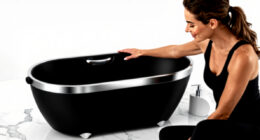
Ice Bath Tub | Cold-Plunge Therapy | Cold Plunge Tub | Up-Right Ice Bath | 118 Gallon Water Capacity | Steps & Cover Included | 37.5" x 33.25"
[Cold-Plunge Therapy Benefits]: Cold-plunge therapy can possibly help lower inflammation, decrease chronic pain and fatigue, improve mood and...
As an affiliate, we earn on qualifying purchases.
Frequently Asked Questions
Can Combining Strength Training and Cardio Maximize Fitness Benefits?
Yes, combining strength training and cardio maximizes your fitness benefits by boosting muscle endurance and aerobic capacity. When you incorporate both, you improve your overall strength and cardiovascular health, leading to better performance and stamina. You’ll also burn more calories and reduce injury risk. Keep a balanced routine, alternating between the two, to enjoy the full spectrum of health advantages and achieve well-rounded fitness.
Which Exercise Type Is Better for Weight Loss?
Imagine you’re in a bustling market, haggling over the best deal—your goal is weight loss. Cardio tends to burn more calories quickly, making it effective for calorie burning. Strength training builds muscle, which boosts your resting metabolic rate. For ideal weight loss, combine both; cardio for immediate calorie burn and strength training for muscle building, helping you shed pounds faster and keep them off longer.
How Does Exercise Choice Affect Mental Health?
You boost your mental health benefits when you choose exercises you enjoy, as it increases your exercise motivation. Regular physical activity releases endorphins, reducing stress and anxiety, and improving your mood. Whether you prefer strength training or cardio, staying consistent helps you build resilience against mental health challenges. So, picking exercises that excite you guarantees sustained motivation and maximizes mental health benefits over time.
Are There Specific Exercises Suitable for Beginners?
Yes, many beginner-friendly exercises are perfect for starting strength. Focus on bodyweight movements like squats, lunges, push-ups, and planks, which build foundational strength without equipment. These exercises are simple to learn, safe, and effective. As you progress, you can gradually add resistance or weights. Remember, consistency is key, so choose exercises you enjoy to stay motivated and make steady improvements from the start.
How Often Should I Alternate Between Strength and Cardio Workouts?
Mixing your muscles and cardio creates a balanced workout schedule. Typically, you should alternate strength and cardio sessions every other day or 3-4 times weekly. This exercise frequency prevents plateaus, promotes progress, and keeps routines invigorating. Focus on consistent workout scheduling, ensuring you give your muscles time to recover while maintaining momentum. Listening to your body helps avoid overtraining, so adjust your routine as needed for ideal outcomes.

XXL Ice Bath Tub for Athletes, Compatible with Water Chillers, 186-Gallon Inflatable Cold Plunge Tub with Insulated Lid, Step, Water-Absorbent Mat, Portable for Outdoor & Indoor Recovery
COMPATIBLE WITH CHILLERS: With the AudaciaGo cold plunge tub, you can easily connect to a water chiller through...
As an affiliate, we earn on qualifying purchases.
Conclusion
Choosing between strength training and cardio is like picking your favorite flavor of adventure. Both ignite your journey to a healthier you, each offering unique treasures—muscle power or endurance. Think of them as two sides of the same coin, spinning in harmony to craft your fitness story. Whichever you choose, make it a dance that excites you, a melody that motivates you. Embrace the rhythm, and watch your strength and stamina blossom like a garden in full bloom.

WAVYEASE® Upgraded Portable Cold Plunge Tub for Athletes & Adults | 100 GAL Foldable Ice Bath with Insulative Cover | Instant Setup for Indoor & Outdoor Recovery (Gray)
【Instant Setup - Unfold, Inflate, and Plunge】: Experience the ultimate convenience with our upgraded design. Your professional ice...
As an affiliate, we earn on qualifying purchases.

AS ColdPlunge Ice Bath Tub & Cold Plunge Chiller Kit, 1/3HP Ice Bath Chiller with Built-in Pump & Filter, XL 120 Gal Insulated Ice Pod Pro, Cold Plunge Tub with Water Chiller for Cold Therapy
Chiller & Tub Ship Separately – Complete Cold Plunge Recovery Kit: This all-in-one cold plunge chiller & ice...
As an affiliate, we earn on qualifying purchases.