

Vitamins and supplements can help fill nutritional gaps, but whether you need them depends on your diet, health goals, and lifestyle. Both natural and synthetic options can be effective, but understanding their differences and regulation is key. Supplements aren’t a substitute for healthy eating and should be used wisely. To make informed choices and discover if they’re right for you, learn more about how they work and what to look for.
Key Takeaways
- Both natural and synthetic vitamins can be effective; choose based on personal needs and preferences.
- Supplements should complement a balanced diet, not replace healthy eating habits.
- Quality varies; look for reputable brands with third-party testing or certifications.
- Regulations differ internationally, affecting supplement safety, potency, and ingredient authenticity.
- Consult healthcare professionals before starting supplements to ensure they suit your health goals.

Have you ever wondered if vitamins and supplements truly make a difference in your health? It’s a common question, especially with so many products flooding the market. When you start exploring supplements, you’ll notice they come in various forms—some labeled as natural, others as synthetic. Natural vitamins are derived from whole foods or plant sources, while synthetic ones are manufactured in labs. Many assume natural options are automatically better, but that’s not always the case. Both types can be effective, but it’s essential to understand the differences. Natural vitamins often contain additional compounds from their source, which some believe enhances absorption or offers extra benefits. However, they can also be more expensive and less standardized, leading to variability in potency. Synthetic vitamins, on the other hand, are created to deliver specific doses of nutrients and are often more affordable and consistent. Still, some question whether synthetic versions are as beneficial as their natural counterparts. The truth is, both can work well, but your choice depends on your specific needs and preferences.
Another important factor to *take into account* is supplement regulation. Unlike medications, which must undergo rigorous testing before reaching the market, dietary supplements are regulated more loosely by authorities like the FDA. This means manufacturers don’t always need to prove their products are effective or safe before selling them. Some supplements might contain impurities or doses that don’t match their labels. That’s why it’s *important to verify* to choose reputable brands that adhere to good manufacturing practices. Look for third-party testing seals or certifications, which can give you confidence that the product has been verified for quality and purity. You should also be aware that supplement regulations can vary between countries, so what’s available in one market may not be the same elsewhere.
Ultimately, whether you decide to take vitamins and supplements depends on your diet, health goals, and advice from healthcare professionals. Supplements aren’t a substitute for a balanced diet, but they can help fill nutritional gaps if used wisely. Recognizing the differences between natural and synthetic options—and understanding how supplements are regulated—can help you make informed choices. Remember, not all supplements are created equal, and more isn’t always better. It’s best to approach them thoughtfully, prioritizing quality and your individual health needs. If you’re considering adding supplements to your routine, consult with your healthcare provider to ensure they’re appropriate for you and that you’re choosing products that are safe and effective.

Multivitamin for Men with Vitamins and Minerals for Energy, Focus and Immune Health – Premium Daily Mens Multivitamins & Multiminerals – 60 Liquid Capsules
Focused Energy, Built for Him — Made for busy dads and driven professionals who want steady daily energy…
As an affiliate, we earn on qualifying purchases.
As an affiliate, we earn on qualifying purchases.
Frequently Asked Questions
Are Natural Supplements Safer Than Synthetic Ones?
Natural supplements, derived from natural origins, often seem safer because they’re closer to what your body naturally recognizes. However, synthetic supplements can be just as effective because of their synthetic efficiency, which guarantees consistent potency and purity. You should consider both factors, as safety depends on quality, dosage, and individual health. Always check labels and consult a healthcare professional to determine what’s best for your needs, regardless of origin.
Can Vitamins Replace a Balanced Diet?
Vitamins can’t replace a balanced diet because they lack the complex mix of nutrients from real food. To maintain proper dietary balance, you need a variety of nutrient sources like fruits, vegetables, whole grains, and lean proteins. Supplements can help fill gaps, but they shouldn’t be your primary nutrient source. Relying solely on vitamins risks missing out on fiber, antioxidants, and other essential compounds found in whole foods.
How Do I Know if I Need Supplements?
You might need supplements if your diet lacks essential nutrients or if your doctor advises it. Pay attention to your dietary sources and notice any symptoms of deficiencies. To maximize benefits, consider supplement timing—taking vitamins with meals can boost absorption. Remember, supplements aren’t magic pills; they’re a tool to fill gaps. If unsure, consult a healthcare professional to determine if you truly need them—your health’s worth it!
Are There Risks of Taking Too Many Vitamins?
Taking too many vitamins can lead to excessive intake, which raises toxicity concerns. You might experience side effects like nausea, headaches, or more serious health issues if you surpass recommended doses. Always follow the suggested guidelines and consult a healthcare professional before increasing your intake. Being mindful of your supplement use helps prevent risks associated with excessive intake and guarantees you stay safe while supporting your health.
Which Supplements Are Best for Specific Health Conditions?
Think of supplements like herbal remedies and mineral supplementation as tools in a toolbox—each suited for specific needs. For example, if you have iron deficiency, iron supplements are best, while calcium supports bone health. Always consult your healthcare provider to choose the right supplement for your condition. Using the wrong one can do more harm than good, so personalization guarantees you get the benefits safely.

THORNE – Basic Nutrients 2/Day – Comprehensive Daily Multi-Vitamin with Optimal Bioavailability – Vitamin & Mineral Formula – Third-Party Certified – Gluten, Dairy & Soy-Free – 60 Capsules
Essential Nutrients: A daily supplement formulated with key vitamins and minerals to maintain health and wellness with just…
As an affiliate, we earn on qualifying purchases.
As an affiliate, we earn on qualifying purchases.
Conclusion
So, do you really need vitamins and supplements? Honestly, ignoring them might turn your health into a ticking time bomb! These tiny pills and powders could be the superheroes your body’s been waiting for, or just unnecessary extras. Don’t leave your well-being to chance—embrace the power of proper nutrition! Because, in the end, neglecting them might just be like trying to run a marathon on empty—dangerous and downright impossible!
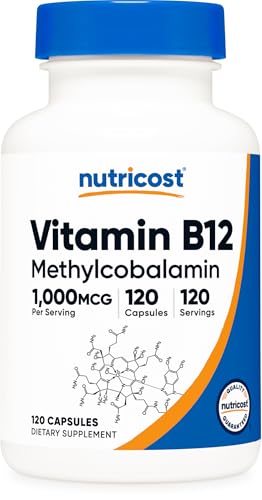
Nutricost Vitamin B12 (Methylcobalamin) 1000mcg, 120 Capsules – Vegetarian, Non-GMO & Gluten Free B12 Supplement
1000mcg (1mg) of Vitamin B12 Per Serving
As an affiliate, we earn on qualifying purchases.
As an affiliate, we earn on qualifying purchases.

CRASPIRE 2" Tree of Life Gold Foil Certificate Seals 100pcs Self Adhesive Embossed Stickers for Invitations Certification Graduation Notary Corporate Monogram Diploma Achievement Award
TREE OF LIFE ENVELOPE STICKERS: Gold foil stickers embossed feature an expertly-crafted design with 5 inch round. Each…
As an affiliate, we earn on qualifying purchases.
As an affiliate, we earn on qualifying purchases.