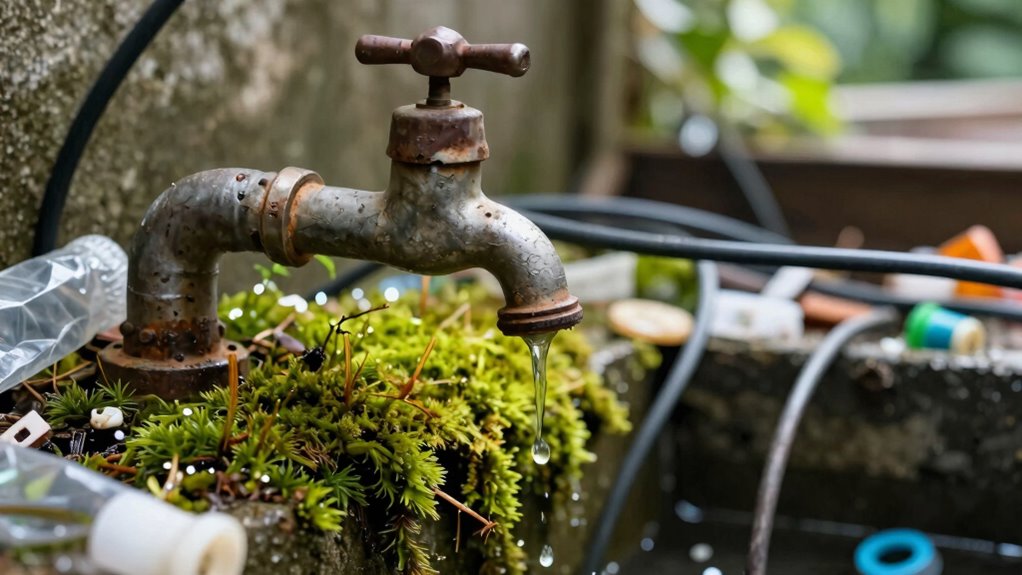
Focusing on water, waste, and energy habits has a bigger impact on sustainability than just choosing eco-friendly decor. When you fix leaks, conserve water, and manage waste properly, you lower your environmental footprint. Turning off unused devices and switching to energy-efficient appliances reduces energy demand. These daily actions add up over time, making a real difference. Keep exploring, and you’ll discover simple ways to turn good habits into lasting change.

Get beauty and skincare favorites delivered free with Prime
- Fast, free delivery on millions of items
- Prime Video, Amazon Music and more included
- Member-only deals all year
Key Takeaways
- Sustainable water, waste, and energy habits directly reduce resource consumption and environmental impact, unlike mere decorative eco-trends.
- Small daily actions in resource management can lead to significant long-term environmental benefits.
- Proper waste management, like composting, minimizes greenhouse gas emissions and promotes soil health.
- Energy-efficient behaviors lower reliance on fossil fuels, decreasing carbon footprints.
- Authentic sustainability is rooted in consistent habits, not superficial eco-friendly aesthetics.

Have you ever thought about how your daily habits impact the environment? It’s easy to get caught up in aesthetic trends that make your home look eco-friendly—like adding a few plants or installing solar lights—without considering the real, tangible effects of your everyday choices. But true sustainability goes beyond appearances. It’s about adopting habits that genuinely conserve resources, such as practicing sustainable water use, engaging in green waste management, and reducing energy consumption. These actions might not be as flashy as eco-themed decor, but they make a far greater difference over time.
True sustainability lies in daily habits that conserve resources, not just eco-friendly decor.
When you focus on sustainable water habits, you’re ensuring that this precious resource isn’t wasted. Simple changes like fixing leaks, installing water-efficient fixtures, and collecting rainwater for outdoor use can markedly reduce your water footprint. Think about how much water you use in a day—showering, washing dishes, watering plants—and realize that small adjustments can save gallons of water. Sustainable water practices not only help preserve local water sources but also reduce the energy needed to pump, treat, and heat water, cutting down on your overall energy use. Incorporating resource conservation into your daily routine can lead to significant environmental benefits. Additionally, being mindful of your water use can help mitigate the impacts of droughts and water shortages in your community. Practicing water conservation also helps reduce strain on local infrastructure, benefiting your entire community.
Green waste management is another fundamental aspect that often gets overlooked when people focus solely on visual eco-aesthetics. Instead of tossing food scraps and yard waste into the trash, you can compost. Composting reduces the amount of waste sent to landfills, where organic material produces methane—a potent greenhouse gas. When you compost, you’re turning kitchen scraps and yard waste into nutrient-rich soil that can feed your garden, closing the loop on waste and enriching your environment naturally. This practice not only minimizes waste but also reduces reliance on chemical fertilizers, which can harm ecosystems. Waste reduction through composting is an effective way to minimize your household’s environmental impact. Implementing composting systems at home is an accessible step that many can take to support sustainable waste management.
Energy consumption is another area where your habits matter. Turning off lights when you leave a room, unplugging devices not in use, and switching to energy-efficient appliances all contribute to lowering your carbon footprint. These actions may seem minor, but collectively, they can lead to substantial energy savings. And when you combine these habits with sustainable water use and green waste management, you create a holistic approach that aligns your daily life with environmental health. It’s important to recognize that energy efficiency is a key component of sustainable living, helping to reduce overall demand for fossil fuels. It’s not about making your home look “eco-friendly” for show; it’s about making meaningful changes that support the planet’s long-term well-being. Your habits, no matter how small they seem, shape the future of our environment far more than superficial eco aesthetics ever could.
As an affiliate, we earn on qualifying purchases.
Frequently Asked Questions
How Can Individual Habits Significantly Impact Global Environmental Issues?
Your behavior change can considerably impact global environmental issues by reducing waste, conserving water, and saving energy. When you adopt eco-friendly habits, you set an example that encourages others and supports policies promoting sustainability. By actively participating and advocating for these policies, you amplify your impact. Small daily actions, combined with policy support, can lead to substantial positive changes for the planet.
What Are the Most Effective Daily Practices for Conserving Water?
You can maximize water conservation by taking simple steps in your daily routines. Turn off the tap while brushing your teeth, fix leaks promptly, and use water-efficient fixtures. Shorten showers and only run dishwashers and laundry machines with full loads. Collect rainwater for outdoor use, and avoid unnecessary watering of plants. These small, consistent actions make a big difference in reducing water waste and conserving this essential resource every day.
How Does Waste Management Influence Climate Change?
Waste management directly influences climate change by reducing waste and promoting waste reduction efforts, which decrease methane emissions from landfills. Proper waste management enhances climate resilience, helping communities adapt to changing conditions. When you prioritize recycling, composting, and responsible disposal, you lower greenhouse gases, conserve resources, and support a healthier planet. Your actions make a difference in mitigating climate change impacts and building resilient, sustainable communities for future generations.
What Energy-Saving Tips Are Practical for Households?
You can save energy by switching to renewable sources like solar or wind power, reducing reliance on fossil fuels. Installing smart meters helps you monitor your energy use in real-time, so you can identify and cut waste. Additionally, unplug devices when not in use, switch to energy-efficient appliances, and insulate your home properly. These practical steps lower your energy bills and lessen your environmental impact considerably.
Why Is Focusing on Habits More Sustainable Than Aesthetic Eco-Appeals?
Changing habits is like planting seeds for lasting change; it’s more sustainable than focusing on surface-level eco aesthetics. When you prioritize behavior change, you help foster cultural shifts that make eco-friendly choices second nature. These practical habits, such as conserving water and reducing waste, create real impact and encourage others to follow suit. Aesthetic appeals fade, but consistent habits build a resilient, environmentally responsible community.
As an affiliate, we earn on qualifying purchases.
Conclusion
Focusing on your water, waste, and energy habits has a real impact—more than just choosing eco-friendly aesthetics. Did you know that reducing your water use by just 10% can save over 2,000 gallons annually? Small changes add up, making a difference for the planet. So, instead of just decorating sustainably, shift your daily routines. Your habits matter more than looks, and together, they can create a significant environmental ripple effect.
energy-efficient LED light bulbs
As an affiliate, we earn on qualifying purchases.
As an affiliate, we earn on qualifying purchases.
As an affiliate, we earn on qualifying purchases.
Halloween Picks
halloween
As an affiliate, we earn on qualifying purchases.