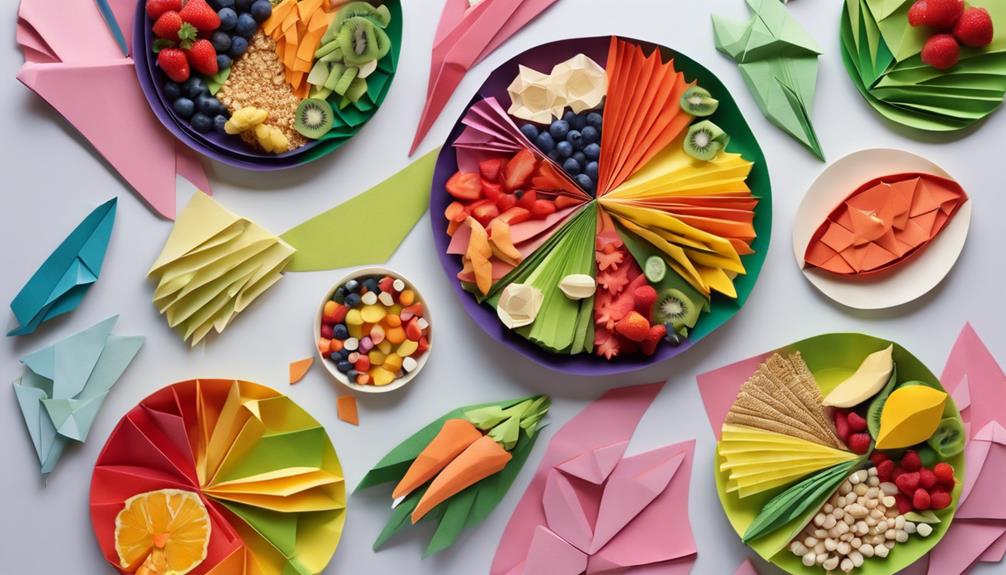
Teaching kids about nutrition involves guiding them to understand balanced eating, portion control, and meal planning. By involving children in selecting a variety of foods like fruits, vegetables, and grains, you help them develop healthy habits early on. Emphasize moderation and mindful eating to prevent overeating and encourage positive food choices. If you keep exploring, you’ll discover more effective ways to instill lifelong healthy eating skills in children.
Key Takeaways
- Teach children about balanced meals by including a variety of food groups like fruits, vegetables, grains, proteins, and dairy.
- Use visual cues and portion examples to help kids understand appropriate serving sizes and mindful eating.
- Involve children in meal and grocery planning to enhance their understanding of healthy choices and food labels.
- Emphasize moderation and encourage trying new foods to promote a diverse and balanced diet.
- Foster lifelong habits by educating about the importance of meal planning, portion control, and listening to hunger cues.

Have you ever wondered how to help others, especially children, develop healthy eating habits that last a lifetime? One of the most effective ways is through teaching nutritional knowledge, which involves understanding the importance of balanced eating, portion control, and meal planning. When you guide children to make smarter food choices, you’re setting them up for a healthier future. Start by showing them how to plan meals that include a variety of food groups—fruits, vegetables, whole grains, lean proteins, and dairy. Meal planning isn’t just about choosing what to eat; it’s about creating a balanced approach that guarantees they get essential nutrients without overeating. By involving children in meal planning, they learn to recognize what a healthy portion looks like and how to balance their plates.
Teaching children balanced meal planning fosters lifelong healthy eating habits.
Portion control is essential in helping kids develop a healthy relationship with food. Kids often eat more than they need because they aren’t aware of serving sizes or they’re influenced by larger portions served at restaurants or in packages. Teaching them to recognize appropriate portions helps prevent overeating and encourages mindful eating habits. Use visual cues, like comparing a portion of meat to a deck of cards or a handful of nuts, to make portion sizes relatable. Encourage children to listen to their bodies and eat until they’re satisfied, not stuffed. This skill is indispensable because it fosters self-awareness and reduces the likelihood of developing unhealthy eating patterns later in life.
Another key aspect is involving children in the process of meal planning and grocery shopping. When they participate, they learn to read food labels, understand ingredient lists, and make healthier choices at the store. Explain why certain foods are better options and how they benefit their bodies. This knowledge empowers children to take ownership of their eating habits and makes healthy choices feel less like a chore and more like a fun activity. Reinforce positive behaviors by setting an example—if you demonstrate balanced meals and portion control at home, kids are more likely to adopt those habits.
Finally, incorporate lessons about moderation and variety into everyday conversations. Teach that no single food is off-limits but that moderation is key. Encourage trying new foods and discovering healthy alternatives to their favorite snacks. By combining meal planning, portion control, and practical education, you’re equipping children with the tools they need to make nutritious choices confidently. Over time, these skills become second nature, helping them develop a lifelong foundation of healthy eating habits that promote overall well-being.
Frequently Asked Questions
How Can Parents Reinforce Healthy Eating Habits at Home?
You can reinforce healthy eating habits at home by involving your child in meal planning, making it fun and educational. Offer nutritious snack choices like fruits, nuts, and yogurt instead of processed options. Set a good example by eating balanced meals yourself and discussing the benefits of healthy foods. Consistency and positive reinforcement will help your child develop lifelong habits, making healthy eating enjoyable and natural.
What Are Effective Strategies for Teaching Kids About Nutrition?
You can teach kids about nutrition through engaging, interactive lessons that make learning fun. Use hands-on activities like preparing healthy snacks or reading food labels together to help them understand food choices. Juxtapose colorful fruits with processed snacks to highlight differences. By involving kids actively, you foster curiosity and empower them to make healthier decisions, turning nutrition into an enjoyable and memorable experience that sticks with them.
How Do Cultural Preferences Influence Healthy Eating Education?
You should consider cultural food norms and dietary customs when teaching healthy eating. By respecting and incorporating these traditions, you make nutrition education more relatable and engaging for kids. Encourage them to share their cultural dishes and discuss healthier modifications. This approach fosters inclusivity, builds trust, and helps children see healthy eating as compatible with their cultural identity, making them more likely to adopt positive habits.
What Role Does School Environment Play in Nutritional Knowledge?
You play a key role in shaping the school environment’s impact on nutritional knowledge. By promoting classroom nutrition activities, you help students learn healthy choices actively. Peer influence also matters; when classmates encourage nutritious eating, it boosts motivation and engagement. Your efforts create a positive atmosphere where students feel empowered to make better food decisions, fostering lifelong healthy habits and making the school a supportive space for nutritional growth.
How Can Technology Assist in Teaching Healthy Eating Skills?
You can use technology to teach healthy eating skills by incorporating interactive apps that make learning fun and engaging. These apps often include quizzes, games, and meal planning tools to reinforce nutritional concepts. Virtual cooking sessions also help you practice making healthy recipes in a simulated environment, boosting confidence and skills. Together, these tools make it easier to understand nutrition and develop lasting healthy habits.
Conclusion
By mastering healthy eating skills, you’re not just making better choices—you’re shaping a brighter, healthier future. Think of nutrition as a key opening doors to vitality and well-being; each skill you learn unfastens new possibilities. As you embrace these habits, remember: every small step is a brick in the foundation of your health. So, take charge today—your journey to wellness begins now, and the path is yours to create.