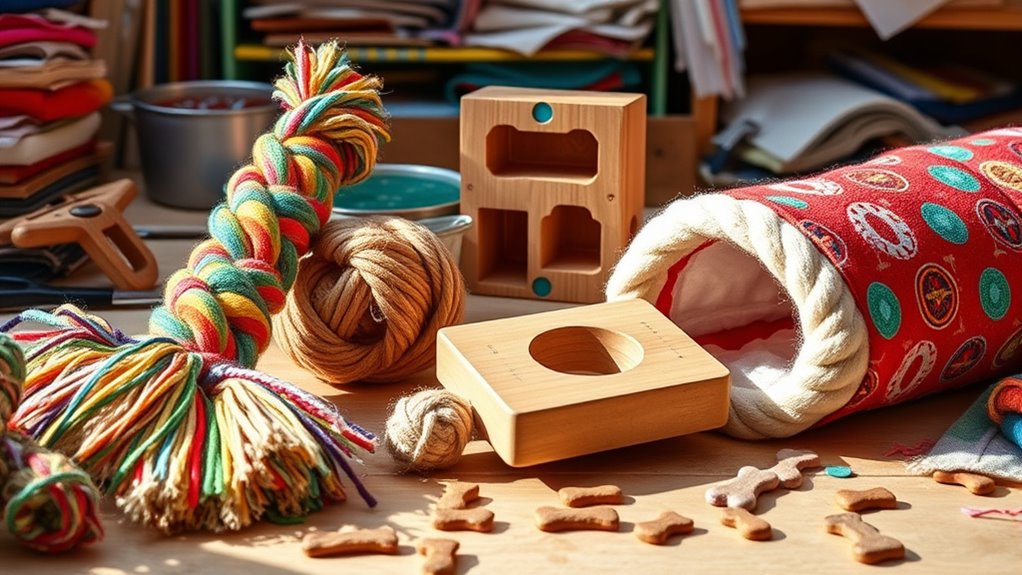

To create enriching DIY pet toys, you can repurpose everyday household items like plastic bottles, old clothes, and cardboard boxes into squeakers, durable fabric toys, or puzzle challenges. Hide treats inside crumpled papers or socks to stimulate your pet’s problem-solving skills, or incorporate natural elements like sticks and pinecones for sensory exploration. These projects are budget-friendly, environmentally conscious, and tailored to your pet’s preferences — keep exploring to discover even more innovative ideas for engaging play.
Key Takeaways
- Repurpose household items like plastic bottles, socks, or old clothes to create engaging squeaky and fabric toys.
- Use recyclable materials such as cardboard and natural elements (sticks, pinecones) for interactive puzzle and sensory toys.
- Incorporate treat-dispensing features by hiding treats in crumpled paper, socks, or inside cardboard boxes to promote problem-solving.
- Braid or knot fabric strips from old garments to craft durable toys for tug-of-war and chewing activities.
- Combine sensory-rich items like leaves, natural fibers, and crinkle paper to stimulate pets’ senses and encourage natural behaviors.

Have you ever wondered how to keep your pet entertained without spending a fortune? Creating DIY pet toys is a fantastic way to do just that, and it’s easier than you might think. One simple project involves making homemade squeakers using recycled materials. Instead of buying expensive squeaky toys, you can repurpose old plastic bottles or small containers to craft a toy that will excite your pet. For example, take a clean, empty plastic bottle, remove the cap and label, and place it inside a sock or fabric pouch. The crunching sound of the bottle will mimic a squeak, grabbing your pet’s attention. You can also insert a small bell or crinkle paper to enhance the sensory experience. These homemade squeakers are not only cost-effective but also environmentally friendly, giving new life to items you’d otherwise discard. Plus, they’re lightweight and safe for your pet to chew and chase around. Incorporating metabolism changes can further boost your pet’s activity levels and overall health.
Using recycled materials extends beyond squeakers. You can turn old t-shirts, towels, or jeans into durable, homemade tug toys. Cut the fabric into strips, braid or knot them together, and you’ve got a sturdy toy perfect for tug-of-war games. This approach not only saves money but also reduces waste. You might also find that your pet prefers toys made from familiar fabrics, which can be comforting and engaging for them. For added variety, hide treats inside a rolled-up sock or a crumpled piece of paper wrapped in string. Your pet will have fun hunting and problem-solving, which stimulates their mind and keeps boredom at bay.
Another creative idea involves repurposing cardboard boxes into puzzle toys. Cut holes in the sides, hide treats inside, and encourage your pet to explore and figure out how to get to their reward. These homemade puzzles challenge your pet’s intelligence and provide hours of entertainment. Incorporate natural elements like sticks, pinecones, or leaves to create sensory-rich toys that encourage exploration. Just ensure all materials are non-toxic and safe for your pet.

Miokun 100 Pack Squeakers for Dog Toys Fit Repair Dog Pet Toys Noise Maker Insert Replacement (35mm)
Package included: 100 x replacement squeakers
As an affiliate, we earn on qualifying purchases.
As an affiliate, we earn on qualifying purchases.
Frequently Asked Questions
Are Homemade Pet Toys Safe for All Animal Breeds?
Homemade pet toys can be safe, but you need to take safety concerns and breed-specific needs into account. Not all toys suit every animal breed, especially those with strong jaws or unique sensitivities. Always choose non-toxic materials, avoid small parts that can be swallowed, and supervise playtime. By tailoring toys to your pet’s size and behavior, you ensure a safer, more enriching experience that respects their individual needs and minimizes risks.
How Often Should I Replace DIY Pet Toys?
You should replace DIY pet toys whenever they show signs of wear, damage, or become unsafe, typically every few weeks. Regular cleaning and maintenance are essential to guarantee toy safety, preventing bacteria buildup or material degradation. Check for loose parts, fraying, or chewed areas frequently, and discard or repair toys as needed. This proactive approach keeps your pet safe and happy, while extending the lifespan of their favorite homemade toys.
Can DIY Toys Help With Pet Behavioral Issues?
Yes, DIY toys can help with pet behavioral issues like puppy anxiety and chewing habits. When you create engaging, safe toys, you give your pet healthy outlets for stress and destructive behaviors. These toys can redirect chewing from furniture and reduce anxiety by providing comfort and stimulation. Regularly updating or rotating toys keeps your pet interested, helping them stay calm and satisfied, ultimately improving their overall behavior.
What Materials Are Best for Making Durable Pet Toys?
You want toys that stand like a fortress, so opt for materials with high durability and pet safety in mind. Rubber, nylon, and braided cotton offer resilience and withstand chewing, ensuring your pet’s safety. Avoid flimsy plastics or strings that fray easily. These materials lock together like a well-oiled machine, providing long-lasting fun and peace of mind, so your furry friend stays safe and entertained for hours.
How Do I Prevent My Pet From Swallowing Parts of DIY Toys?
To prevent your pet from swallowing parts of DIY toys, prioritize toy safety by choosing sturdy, non-toxic materials and avoiding small, loose components that pose choking hazards. Always supervise playtime and inspect toys regularly for wear and tear. Secure any removable parts tightly, and opt for designs that are too large to swallow. This proactive approach helps keep your pet safe and reduces the risk of accidental choking.

wodoca Dog Tug Toy, Dog Toys for Aggressive Chewers – Strong Squeak Rope Toy, Easy to GRAP Chew Toy for Large Dogs, Puppies, Middle Dogs – Ideal for Training and Play, Hand Made
Simple Fun Dog Toy and Training Assistant: The wodoca dog tug toy is a brilliant dog tug toy…
As an affiliate, we earn on qualifying purchases.
As an affiliate, we earn on qualifying purchases.
Conclusion
By crafting your own pet toys, you create enriching experiences that strengthen your bond. For example, imagine creating a puzzle feeder for your dog—watch as they enthusiastically work to get their treat, stimulating their mind and reducing boredom. Not only do these DIY projects save money, but they also allow you to personalize toys to suit your pet’s unique needs. With a little creativity, you can keep your furry friend happy, healthy, and engaged every day.
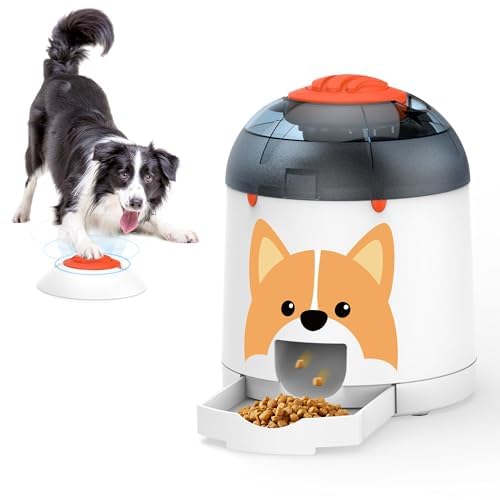
Potaroma Dog Puzzle Feeder Toy, Interactive IQ Training, Electronic Treat Dispenser, Automatic Rechargeable with Remote for Food Dispensing, All Breeds, 280ml Capacity
Smart Toy for Every Breed: This interactive dog puzzle is a stimulating essential for your pet's development. Perfect…
As an affiliate, we earn on qualifying purchases.
As an affiliate, we earn on qualifying purchases.

6PCS 3.4inch Rabbit Fur Ball Cat Toy Set, Rabbit Fur Cat Toys,Natural Material for Active Play, Interactive Pet Entertainment, Soft Texture for Feline Engagement, Durable Construction for Repeated Use
Rabbit Fur Ball Cat Toy: Made with natural rabbit fur material, these cat toys provide a soft texture…
As an affiliate, we earn on qualifying purchases.
As an affiliate, we earn on qualifying purchases.