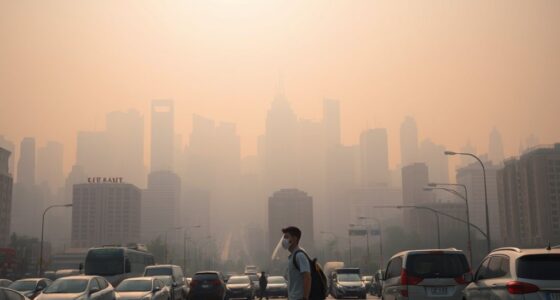
Biodiversity loss happens mainly due to human activities like deforestation, overfishing, and urbanization, which destroy habitats and eliminate species. When key species go extinct, ecosystems become unstable and less resilient, causing a ripple effect that weakens the environment’s ability to recover. Conservation efforts focus on protecting habitats, fighting illegal poaching, and promoting sustainable practices. To understand how we can help and the full impact of biodiversity loss, keep exploring these vital topics.

Get beauty and skincare favorites delivered free with Prime
- Fast, free delivery on millions of items
- Prime Video, Amazon Music and more included
- Member-only deals all year
Key Takeaways
- Human activities like deforestation, overfishing, and urbanization accelerate species extinction and habitat destruction.
- Biodiversity loss causes ecosystem imbalance, reduced resilience, and disrupts ecological functions vital for life.
- Conservation efforts include protecting habitats, establishing reserves, and promoting sustainable practices.
- Addressing illegal poaching and pollution helps prevent further species decline and ecosystem destabilization.
- Preserving biodiversity ensures ecosystem health, supports natural resources, and fosters resilience against climate change.
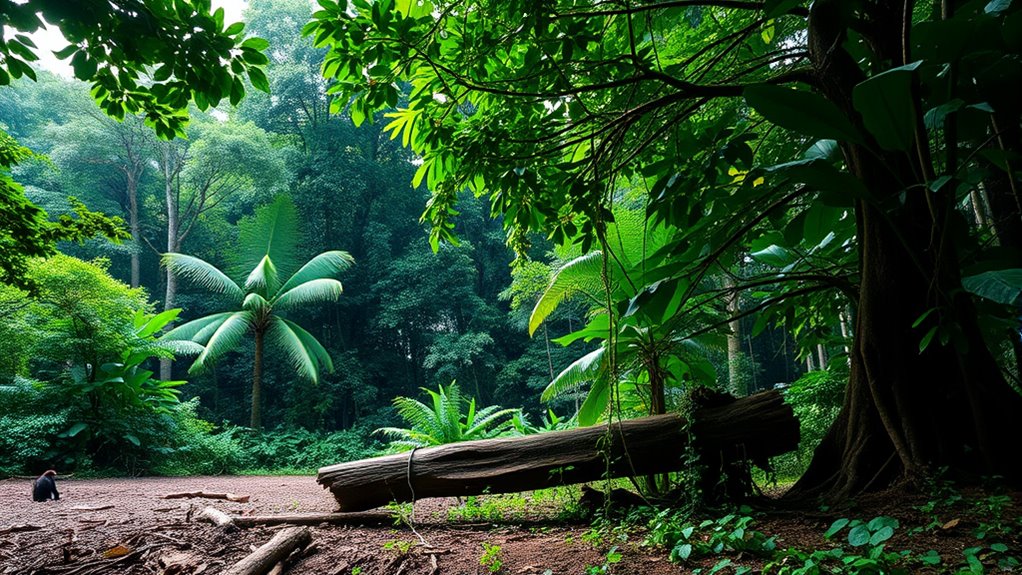
Have you ever wondered what the world would look like without the rich variety of life we see today? It’s a sobering thought, but one that highlights the importance of preserving biodiversity. When species disappear, it’s not just about losing individual animals or plants; it triggers a chain reaction that causes ecosystem imbalance. Each species plays a specific role, whether it’s pollinating crops, controlling pests, or maintaining soil health. When one species goes extinct, the balance shifts, often causing unforeseen consequences. This is what we call ecosystem imbalance, and it’s a direct result of species extinction. As more species vanish, the delicate web of life becomes frayed, and ecosystems become less resilient, less able to recover from environmental stressors like climate change or pollution. High biodiversity enhances ecosystem resilience, helping environments adapt to changes and recover more quickly from disturbances.
Your actions, whether big or small, can influence this delicate balance. Human activities such as deforestation, overfishing, and urbanization accelerate species extinction. When habitats are destroyed or altered, many species lose their homes and food sources, making survival impossible. This rapid loss of species not only diminishes biodiversity but also intensifies ecosystem imbalance. For example, removing a predator from an environment can cause prey populations to explode, leading to overgrazing and habitat degradation. Conversely, losing a keystone species can cause a ripple effect, collapsing entire ecosystems. The extinction of species isn’t just about the end of a particular life form; it’s about the destabilization of ecosystems that sustain life on Earth, including yours.
Conservation efforts are crucial for reversing this trend, but they require your active participation. Protecting natural habitats, supporting sustainable practices, and advocating for policies that curb deforestation and pollution are all ways you can help. Organizations around the world work tirelessly to establish reserves, restore degraded environments, and prevent illegal poaching and trading of endangered species. Education also plays a vital role; understanding the importance of biodiversity encourages responsible behavior and support for conservation initiatives. Every effort counts in maintaining the intricate balance of ecosystems and preventing further species extinction. Remember, the loss of biodiversity threatens not just wildlife but human well-being as well, since healthy ecosystems provide clean air, water, and food. By taking steps to preserve biodiversity, you help sustain a balanced, resilient planet for generations to come.
As an affiliate, we earn on qualifying purchases.
Frequently Asked Questions
How Does Climate Change Specifically Impact Biodiversity?
Climate change impacts biodiversity by disrupting habitats and forcing species to adapt quickly. You might notice altered migration patterns or shifting breeding seasons as animals try to cope through climate adaptation. These changes weaken ecosystem resilience, making ecosystems more vulnerable to further damage. By understanding these effects, you can support efforts to protect vulnerable species and promote practices that enhance ecosystem stability amidst climate challenges.
What Roles Do Local Communities Play in Conservation Efforts?
Imagine a vibrant village where community engagement sparks change, like ripples in a pond. You play a crucial role by sharing traditional knowledge, helping protect local ecosystems. Your participation in conservation efforts guarantees sustainable practices, preserving biodiversity for future generations. By working together, you strengthen the link between people and nature, making a real difference. Your actions, rooted in community wisdom, create lasting impacts on biodiversity conservation.
Are There Successful Case Studies of Biodiversity Restoration?
Yes, there are successful case studies of biodiversity restoration. For example, in Costa Rica, restoration techniques like reforestation and habitat corridors, supported by strong policy frameworks, have revitalized ecosystems. You can learn from these initiatives by implementing local restoration projects that combine innovative techniques with effective policies. These efforts show that with coordinated actions, you can help restore biodiversity and improve ecosystem health in your area.
How Can Individuals Contribute to Reducing Biodiversity Loss?
You can help reduce biodiversity loss by adopting eco-friendly practices like reducing plastic use, conserving water, and supporting sustainable products. Raising public awareness is vital—share information about conservation efforts and the importance of biodiversity with friends and community members. Volunteer for local habitat restoration projects or donate to organizations dedicated to protecting wildlife. Every small action counts, and collective efforts can make a significant difference in preserving our planet’s biodiversity.
What Are the Economic Implications of Biodiversity Loss?
Imagine your economy as a delicate tapestry, woven with threads of ecosystem services. When biodiversity fades, those threads unravel, costing you more in repairs and lost benefits. The economic valuation of biodiversity highlights its true worth, revealing how ecosystem services like pollination and water purification sustain industries. Ignoring this loss weakens the fabric of your economy, leading to higher costs and diminished growth. Protecting biodiversity keeps your economic tapestry strong and vibrant.
wildlife habitat protection supplies
As an affiliate, we earn on qualifying purchases.
As an affiliate, we earn on qualifying purchases.
Conclusion
As you now see, biodiversity loss isn’t just a distant problem—it’s happening right around you, often in ways you might not notice. From shrinking forests to disappearing species, these changes are more connected to your everyday actions than you realize. By understanding the causes and supporting conservation efforts, you become part of the solution. Sometimes, it’s the smallest actions—like planting a tree or reducing waste—that can make the biggest difference. The coincidence? Your choices today shape tomorrow’s world.
As an affiliate, we earn on qualifying purchases.
illegal poaching prevention devices
As an affiliate, we earn on qualifying purchases.
As an affiliate, we earn on qualifying purchases.
Halloween Picks
halloween
As an affiliate, we earn on qualifying purchases.