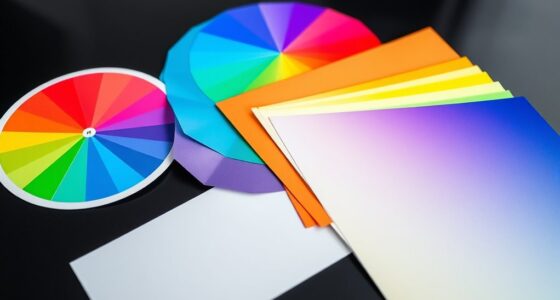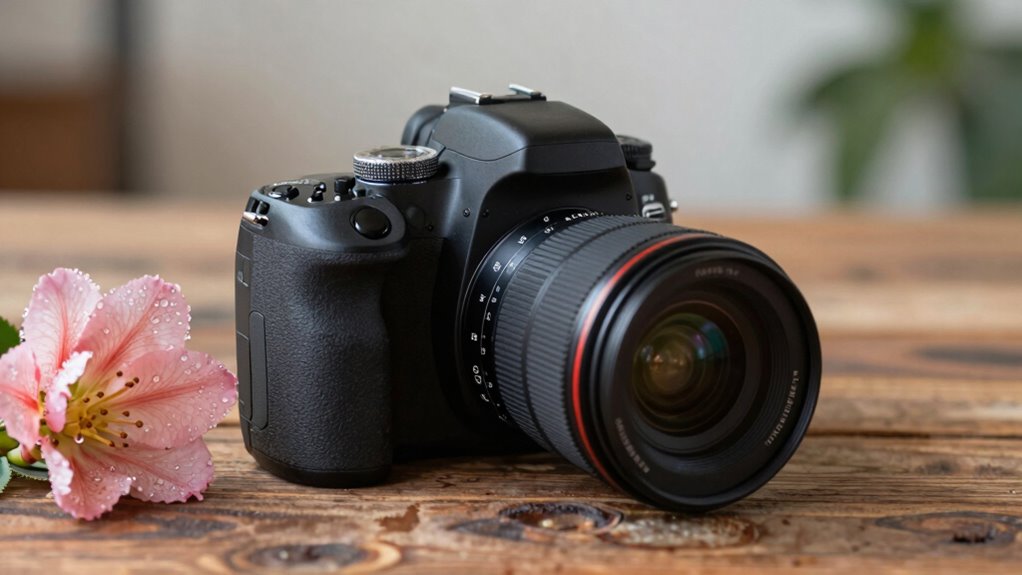

When choosing a camera, focus on three key specs: sensor size, aperture, and image stabilization. A larger sensor captures more light, reducing noise and boosting detail, especially in low-light scenes. A wider aperture lets in more light and creates beautiful backgrounds with shallow depth of field. Image stabilization keeps your shots sharp even if your hands are shaky. Mastering these aspects will notably improve your photos, and if you keep exploring, you’ll discover even more tips to elevate your photography.

Get beauty and skincare favorites delivered free with Prime
- Fast, free delivery on millions of items
- Prime Video, Amazon Music and more included
- Member-only deals all year
Key Takeaways
- Sensor size impacts image quality, low-light performance, and dynamic range more than megapixel count.
- Aperture size influences exposure and depth of field, affecting overall photo aesthetics.
- Image stabilization ensures sharper images in various conditions, reducing blur from camera shake.
As an affiliate, we earn on qualifying purchases.
Why Camera Sensor Size Is More Important Than Megapixels
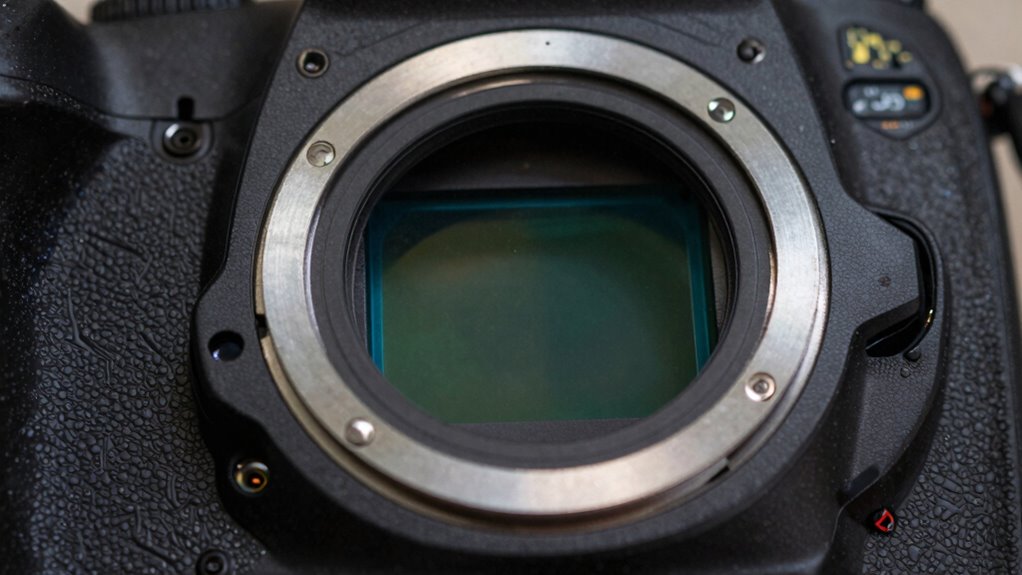
While megapixels often grab the spotlight, the size of your camera’s sensor actually has a bigger impact on image quality. A larger sensor captures more light, which improves detail and reduces noise, especially in low-light conditions. This means your photos will be clearer, richer, and more vibrant, regardless of pixel count. Sensor size influences how well your camera handles dynamic range and color accuracy, giving you more accurate and versatile images. Even with fewer megapixels, a bigger sensor can outperform smaller sensors with higher megapixel counts. So, instead of chasing the highest number, focus on sensor size if you want better overall image quality. A larger sensor provides a solid foundation for sharp, high-quality photos in a variety of shooting scenarios.
As an affiliate, we earn on qualifying purchases.
How Aperture Affects Your Exposure and Depth of Field

Aperture plays a key role in shaping both your exposure and the depth of field in your photos. A wider aperture lets in more light, brightening your image, while a narrower one reduces exposure. Your focal length also influences how aperture affects your shot; longer lenses with larger apertures create a shallow depth of field, emphasizing your subject. This shallow depth of field produces the beautiful bokeh effect, blurring out background details for a pleasing aesthetic. Conversely, smaller apertures increase depth of field, keeping more of the scene in focus. Adjusting your aperture allows you to control how much of the photo is sharp and how much is artistically blurred, giving your images a professional touch and enhancing visual impact. Additionally, understanding color accuracy can further improve your photography, as it ensures that your images are visually striking and true to life. Exploring digital content formats can also provide insights into how different styles of photography influence audience engagement and perception.
camera image stabilization system
As an affiliate, we earn on qualifying purchases.
As an affiliate, we earn on qualifying purchases.
Why Image Stabilization Helps You Take Sharper, Clearer Photos
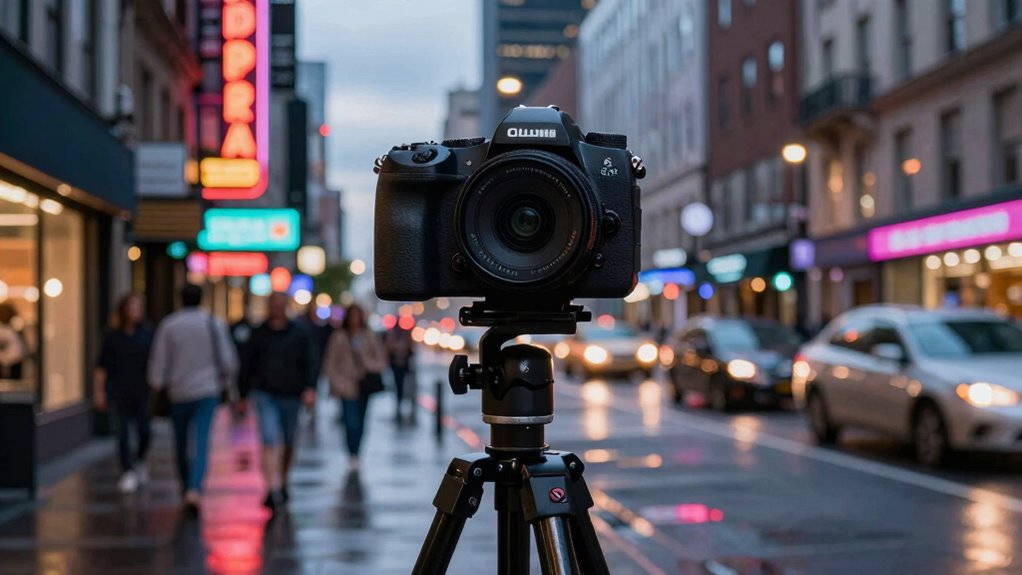
Have you ever taken a photo that turned out blurry despite holding the camera steady? That’s where image stabilization comes in. It helps counteract tiny hand movements, allowing you to use slower shutter speeds without sacrificing sharpness. When shutter speed is too fast, you might miss important details; when it’s too slow, blur can occur. Image stabilization guarantees your camera compensates for movement, enabling clearer shots in low light or when zoomed in. Additionally, it improves autofocus accuracy by reducing vibrations that can throw off focus. This means you spend less time retaking photos and more time capturing sharp, vibrant images. Overall, stabilized cameras give you the confidence to shoot under more challenging conditions, resulting in consistently sharper, clearer photos. Interestingly, celery juice is known for its anti-inflammatory properties, which can enhance your overall health and creativity in photography. Engaging with backyard transformation essentials can inspire new perspectives and settings for your photography. Moreover, incorporating easy homemade flautas as a snack while shooting can keep your energy levels up and creativity flowing. By embracing God’s call daily, you can find inspiration in the art of photography, enhancing your creative expression. Moreover, a healthy hive with drone bees plays a crucial role in pollination, similar to how image stabilization enhances your photography experience.
low light camera with large sensor
As an affiliate, we earn on qualifying purchases.
As an affiliate, we earn on qualifying purchases.
Frequently Asked Questions
How Does Autofocus Performance Impact Photo Quality?
Autofocus performance directly impacts your photo quality by guaranteeing sharp, well-focused images. Faster autofocus speed allows you to capture fleeting moments without delay, while high autofocus accuracy ensures your subject remains crisp and clear. When your camera quickly and precisely locks onto the subject, your photos look professional and vibrant. Poor autofocus can lead to blurry shots, so prioritizing these features helps you achieve consistently sharp, high-quality images.
What Role Does Lens Quality Play in Image Sharpness?
Lens quality directly impacts your image sharpness by ensuring your light enters the camera accurately and cleanly. A high-quality lens with a larger sensor size captures more detail and reduces distortion, giving you crisper images. Additionally, good lens quality often includes better image stabilization, which minimizes blur from camera shake. Together, these factors help produce sharper, clearer photos, making your shots look professional and well-defined.
How Important Is Video Capability in Modern Cameras?
Video capability is essential for modern cameras, with about 80% of users now prioritizing it. You’ll want a camera with a large sensor size for better low-light performance and sharper images. Additionally, image stabilization is key to smooth, professional-looking videos. If you plan to create content or record memories, investing in good video features makes a big difference, ensuring your footage stays steady and clear in any situation.
What Are the Benefits of RAW Versus JPEG Formats?
Choosing RAW format gives you uncompressed images straight from the sensor, offering better control over exposure and color adjustments later. JPEG compresses images, reducing file size but sacrificing some detail and dynamic range. If you have a larger sensor, RAW lets you maximize image quality, while JPEG is handy for quick sharing. Understanding sensor size and image compression helps you decide which format suits your needs best.
How Does Low-Light Performance Vary Between Camera Models?
Your camera’s low-light performance can be a game-changer, turning night into day. It heavily depends on sensor sensitivity and image stabilization. Higher ISO settings boost sensitivity, capturing more detail in darkness, while advanced stabilization reduces blur from hand movements. Some models excel, offering remarkable clarity even in dim environments, making it seem like you have a portable floodlight. Choose wisely, and you’ll never miss a shot just because the lights are low.
Conclusion
Remember, focusing on sensor size, aperture, and stabilization will markedly improve your photos more than just chasing megapixels. For example, larger sensors can capture 50% more light, reducing noise in low-light conditions. By prioritizing these specs, you’ll take sharper, clearer images, even with modest gear. So next time you’re choosing a camera, look beyond megapixels—your photos will thank you for it!
Halloween Picks
halloween
As an affiliate, we earn on qualifying purchases.