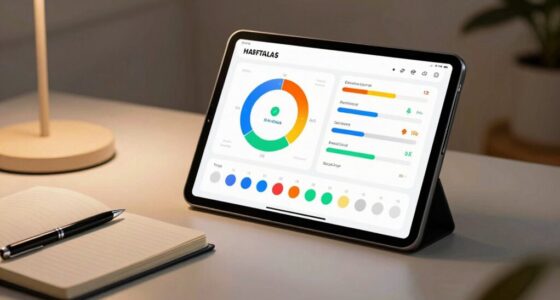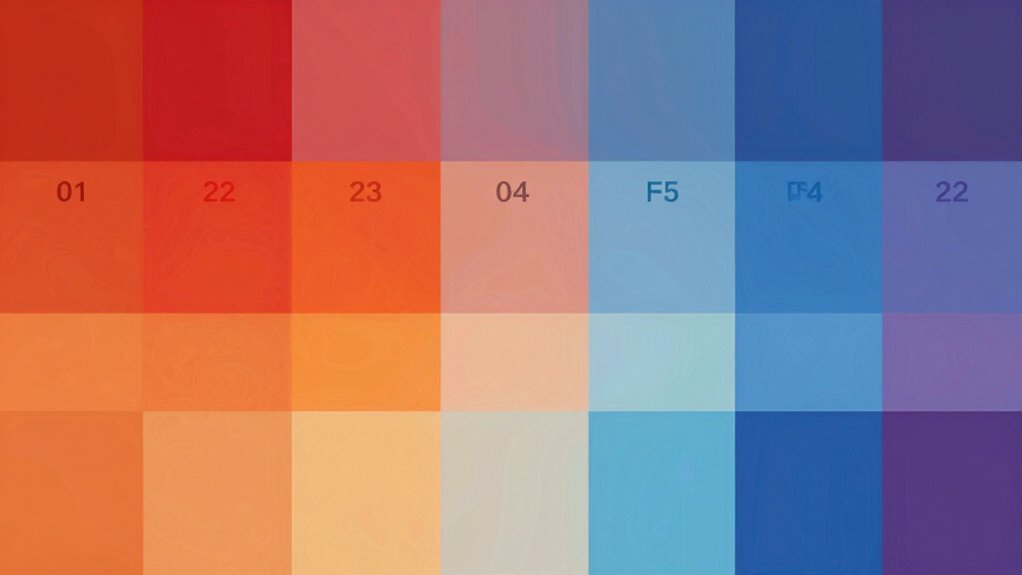

Mood mapping shows you how your weekly routines, activities, and relationships impact your emotions. By tracking your moods over time, you can spot patterns, triggers, and rebound effects, giving you a clear picture of what’s influencing your well-being. It helps you understand when you’re most vulnerable or resilient, empowering you to make better choices. Keep exploring how this tool can transform your emotional awareness and overall mental health.

Get beauty and skincare favorites delivered free with Prime
- Fast, free delivery on millions of items
- Prime Video, Amazon Music and more included
- Member-only deals all year
Key Takeaways
- Mood mapping visualizes emotional fluctuations throughout the week, highlighting patterns and triggers affecting your well-being.
- It reveals how daily routines, activities, and interactions influence your emotional states over time.
- Tracking moods helps identify recurring lows or highs, offering insight into your mental health trends.
- It enables proactive adjustments to improve mood stability and emotional resilience during the week.
- Mood mapping provides a clear overview of your emotional health, fostering better self-awareness and self-care strategies.

Have you ever wished you could better understand your emotional patterns? Many of us go through our weeks feeling overwhelmed, stressed, or simply disconnected, but rarely do we pause to reflect on what’s really happening beneath the surface. That’s where mood mapping can be a game-changer. It’s a tool that helps you visualize how your emotions fluctuate over time, giving you a clearer picture of what your week is really doing to you. By tracking your mood daily, you develop better emotional awareness, which is essential for maintaining good mental health. When you understand your emotional patterns, you can identify triggers, recognize recurring lows or highs, and see how certain activities or people impact your well-being.
Tracking your mood daily reveals patterns, helping you understand and manage your emotional well-being effectively.
Mood mapping isn’t just about recording feelings; it’s about gaining insights into your mental health. When you start to notice patterns—say, that your mood dips every Monday or spikes after particular social interactions—you can take proactive steps to improve your emotional resilience. This clarity allows you to address issues early, rather than letting negative emotions build up unnoticed. Over time, you’ll see how your mental health responds to changes in your routine, sleep, or stress levels, empowering you to make informed adjustments. It’s like having a personal emotional dashboard, helping you navigate your internal landscape with greater precision. Recognizing emotional patterns can also help you manage stress effectively, leading to a more balanced life.
Engaging in mood mapping encourages you to practice self-reflection regularly, which is a cornerstone of emotional awareness. The act of noting your feelings each day makes you more conscious of how different situations affect you. This mindfulness fosters a deeper understanding of your emotional responses and helps you differentiate between temporary mood swings and deeper emotional shifts. Recognizing these patterns can also help you understand the importance of mental health tracking, which can be supported by understanding how your overall emotional well-being interacts with physical health factors like sleep and activity levels. Incorporating physical health into your mood tracking can provide a more comprehensive view of your overall wellness. As you become more attuned to your mental health, you’re better equipped to seek support or implement strategies that boost your overall well-being. Whether it’s practicing relaxation techniques, adjusting your schedule, or reaching out to loved ones, knowing how your mood changes allows you to act intentionally.
Ultimately, mood mapping turns abstract feelings into tangible data. Instead of feeling like your emotions are unpredictable or overwhelming, you gain a sense of control and insight. It’s a simple yet powerful way to stay connected with your emotional health, ensuring that you’re not just surviving the week but understanding and managing it consciously. By regularly engaging in mood mapping, you’re taking an active step toward nurturing your mental health and creating a more balanced, emotionally aware life.
As an affiliate, we earn on qualifying purchases.
Frequently Asked Questions
How Accurate Is Mood Mapping Compared to Other Self-Assessment Methods?
Mood mapping can be quite accurate compared to other self-assessment methods because it captures emotional granularity and tracks mood variability over time. Unlike simple check-ins, it encourages you to notice subtle shifts in your feelings, offering a detailed view of your emotional landscape. While no method is perfect, mood mapping’s visual and ongoing approach helps you understand patterns more clearly than traditional journaling or surveys.
Can Mood Mapping Predict Future Emotional Trends?
Think of mood mapping as your emotional weather forecast—while it can’t predict every storm, it reveals the patterns shaping your future. By tracking emotional patterns over time, you gain insight into potential shifts ahead. This future forecasting helps you anticipate highs and lows, empowering you to navigate upcoming challenges. While not crystal ball perfect, mood mapping offers a valuable compass for understanding and preparing for your emotional journey ahead.
What Tools or Apps Are Best for Creating Mood Maps?
You should try apps like Moodpath or Daylio, which use color coding to track your emotions easily. They often include journaling prompts to help you reflect on your feelings and identify patterns over time. These tools make mood mapping simple and engaging, allowing you to visualize your emotional trends clearly. With consistent use, you’ll gain insights into what affects your mood and how to manage it better.
How Often Should I Update My Mood Map for Reliable Insights?
You should update your mood map at least daily to guarantee reliable insights, like catching the early signs of stress or happiness. Consistency in frequency boosts emotional awareness, making it easier to notice patterns. Imagine your mood as a river flowing; updating often helps you see each ripple clearly. By staying committed, you’ll develop a sharper understanding of your emotional landscape, allowing you to make meaningful changes whenever needed.
Are There Any Privacy Concerns With Digital Mood Mapping?
Yes, there are privacy concerns with digital mood mapping. You might worry about data security, as sensitive emotional information could be vulnerable if not properly protected. Always review privacy policies before using these apps or tools. Look for platforms that prioritize data security, offer clear privacy policies, and give you control over your data. Being cautious helps guarantee your emotional insights stay private and secure.
As an affiliate, we earn on qualifying purchases.
Conclusion
By embracing mood mapping, you gently uncover the subtle currents shaping your week. It’s like having a quiet conversation with your inner landscape, revealing the quiet shifts beneath the surface. As you pay closer attention, you can navigate life’s ebb and flow with a softer touch, steering toward calmer waters. Over time, this gentle awareness becomes your secret compass, guiding you through the days with a little more grace and understanding—without ever needing to say a word.
As an affiliate, we earn on qualifying purchases.
As an affiliate, we earn on qualifying purchases.
Columbus Day / Indigenous Peoples' Day Picks
long weekend sales
As an affiliate, we earn on qualifying purchases.