
You love secret plots in pop culture because they tap into your curiosity about the unknown and challenge what you think you know. Stories about government cover-ups or alien infiltration spark skepticism and excitement, making you wonder what’s truly hidden. These themes give you a sense of uncovering deeper truths behind official stories, fueling fascination and intrigue. If you want to explore why these conspiracies keep enthralling you, there’s more to discover below.
Key Takeaways
- Conspiracy themes tap into curiosity and skepticism, engaging audiences with the idea of uncovering hidden truths.
- Pop culture makes secret plots accessible and entertaining, fueling fascination with clandestine worlds.
- Stories of government cover-ups and alien infiltration evoke mistrust, prompting viewers to question official narratives.
- Media portrayals of secret agendas stimulate imagination and emotional responses like fear and wonder.
- Modern technology amplifies the spread and believability of conspiracy theories in popular entertainment.

Have you ever wondered why conspiracy theories so often find their way into pop culture? It’s because they tap into something deeply human—our curiosity about the unknown and our skepticism of authority. When you see movies, TV shows, or books that feature government cover-ups or alien infiltration, you’re engaging with stories that reveal hidden truths or suggest that powerful entities are hiding secrets from the public. These themes resonate because they challenge the official narrative, making you question what you’re told and fueling a sense of intrigue. People love the idea that there’s more going on behind the scenes, that governments might be concealing evidence of extraterrestrial life or clandestine operations. It’s this mystery, combined with the thrill of discovery, that makes these stories so compelling.
Conspiracy stories captivate us by revealing hidden truths and challenging official narratives, fueling curiosity and intrigue.
Government cover-ups are a common motif because they evoke a sense of mistrust. You might have grown up hearing about secret projects or covert operations that were kept from the public eye. Think about the countless stories and documentaries suggesting that governments hide information about UFOs or alien encounters. These narratives often portray authorities as deceptive, hiding the truth to maintain control or prevent panic. When such ideas are woven into pop culture, you’re encouraged to question official accounts and imagine what might be deliberately concealed from you. It’s not just about sensational stories; it’s about feeling that there’s a deeper truth waiting to be uncovered, which keeps your mind engaged and your curiosity alive.
Alien infiltration is another powerful theme that feeds into this fascination. The notion that extraterrestrials have secretly integrated into society or are controlling world events plays into fears and hopes about the unknown. You might find yourself captivated by stories that suggest aliens have been here all along, hidden in plain sight. Films like “Men in Black” or “The X-Files” tap into your imagination, making you wonder if there’s more to our reality than meets the eye. These stories play on the idea that aliens could be among us, influencing or observing us without our knowledge. They evoke a mix of fear and wonder, fueling conspiracy theories that suggest extraterrestrial beings are part of a clandestine agenda. Such themes keep you hooked because they challenge your understanding of reality and ignite your desire to uncover hidden truths. Additionally, advances in technology have made it easier for such stories to spread and seem more plausible, further fueling curiosity and speculation.

UFO CONSPIRACIES: THE HIDDEN TRUTH
As an affiliate, we earn on qualifying purchases.
As an affiliate, we earn on qualifying purchases.
Frequently Asked Questions
What Psychological Factors Drive Our Fascination With Conspiracy Theories?
Your fascination with conspiracy theories is driven by psychological biases and cognitive distortions that make you seek explanations for complex events. You often believe in hidden motives because your mind craves certainty and control, especially during uncertainty. These biases, like pattern recognition and confirmation bias, distort your perception, making you more receptive to secret plots. This psychological drive keeps you intrigued and enthusiastic to uncover what’s really behind the scenes.
How Do Conspiracy Theories Influence Real-World Political Events?
Conspiracy theories act like wildfire, spreading through media influence and fueling distrust in institutions. As you consume these stories, they shape your perception of reality, turning complex political events into simple narratives. Cultural symbolism amplifies this effect, making theories seem like hidden codes. This can sway public opinion, influence voting behaviors, and even spark protests, turning secret plots into powerful forces that shape the course of real-world politics.
Are There Historical Examples Where Pop Culture Shaped Conspiracy Beliefs?
Yes, historical myths and cultural influences have shaped conspiracy beliefs through pop culture. You might recall how movies like “JFK” influenced public perceptions of government cover-ups, or how comic books fueled fears about secret societies. These stories embed themselves in your mind, blending fact and fiction, and often inspire real-world conspiracy theories. By reflecting cultural anxieties, pop culture helps forge collective beliefs rooted in historical myths.
What Role Does Social Media Play in Spreading Conspiracy Narratives?
Social media plays a huge role in spreading conspiracy narratives through viral memes that quickly capture attention. You might share or see misinformation spread effortlessly, making false ideas seem credible. Social platforms amplify these stories by allowing rapid sharing and echo chambers where beliefs are reinforced. This environment makes it easy for conspiracy theories to go viral, influencing opinions and shaping perceptions without fact-checking or accountability.
Can Belief in Conspiracies Be Linked to Personality Traits?
Belief in conspiracies can indeed be linked to personality traits, as research shows certain personality correlations influence belief predispositions. If you’re naturally suspicious, open to new ideas, or experience high levels of anxiety, you’re more likely to accept conspiracy theories. These traits shape how you interpret information, making you more receptive to secret plots. Understanding these personality correlations helps explain why some people are more predisposed to believe in conspiracies.

Hidden History: An Exposé of Modern Crimes, Conspiracies, and Cover-Ups in American Politics
As an affiliate, we earn on qualifying purchases.
As an affiliate, we earn on qualifying purchases.
Conclusion
You see, our obsession with conspiracies isn’t just a passing fad; it’s a force that captivates your mind and fuels your imagination like nothing else. These secret plots tap into your deepest fears and curiosities, making the impossible feel just within reach. So, next time you plunge into a conspiracy theory, remember—you’re not just a spectator, you’re part of a thrilling, worldwide adventure that’s more exciting than any blockbuster. The world’s mysteries are waiting for you!

Alien Infiltration
As an affiliate, we earn on qualifying purchases.
As an affiliate, we earn on qualifying purchases.
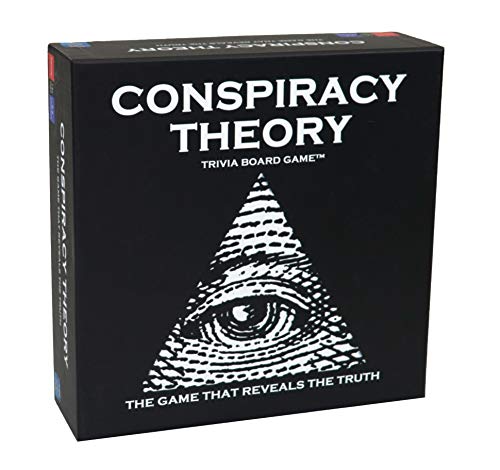
Neddy Games Conspiracy Theory Trivia Board Game – 3rd Edition
Conspiracy Theory Trivia Board Game tests your knowledge of the world of Internet conspiracies
As an affiliate, we earn on qualifying purchases.
As an affiliate, we earn on qualifying purchases.