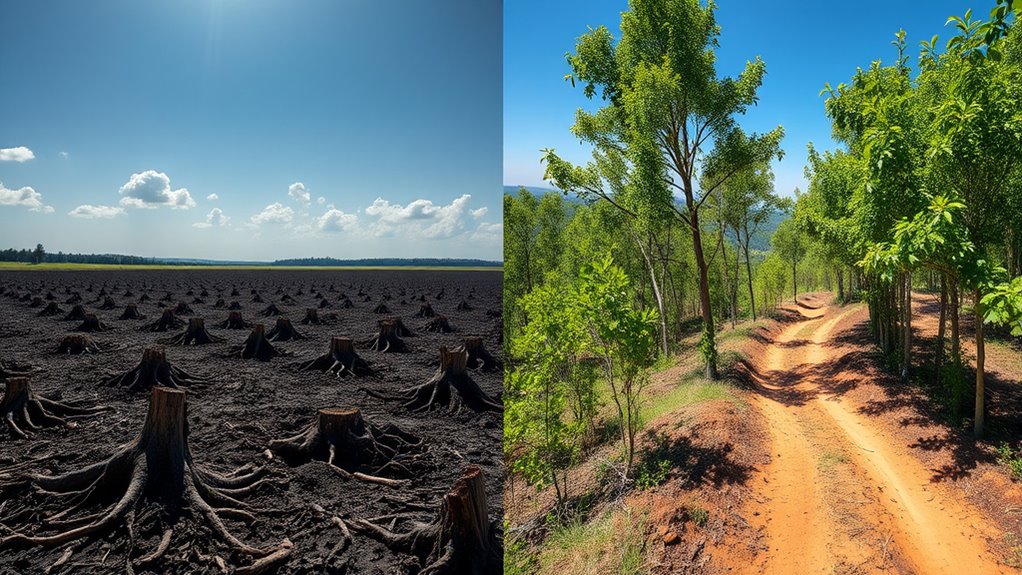
Deforestation fragments forests, harming wildlife and reducing biodiversity, which weakens ecosystem resilience and accelerates climate change. When forest patches become isolated, animals struggle to migrate and find resources, leading to higher extinction risks. Reforestation efforts like planting trees and creating protected areas help reconnect habitats and restore ecosystems. Supporting sustainable practices and policies can make a difference. If you want to understand how these actions can protect our environment, you’ll learn more as you continue.
Key Takeaways
- Deforestation leads to habitat loss, reduced biodiversity, and disrupted wildlife migration patterns.
- Forest fragmentation weakens ecosystem resilience and increases extinction risks for many species.
- Reforestation projects reconnect isolated patches, restore habitats, and support biodiversity conservation.
- Protecting remaining forests and promoting sustainable practices help mitigate climate change and ecosystem decline.
- Public awareness and supportive policies are crucial for effective reforestation and forest preservation efforts.
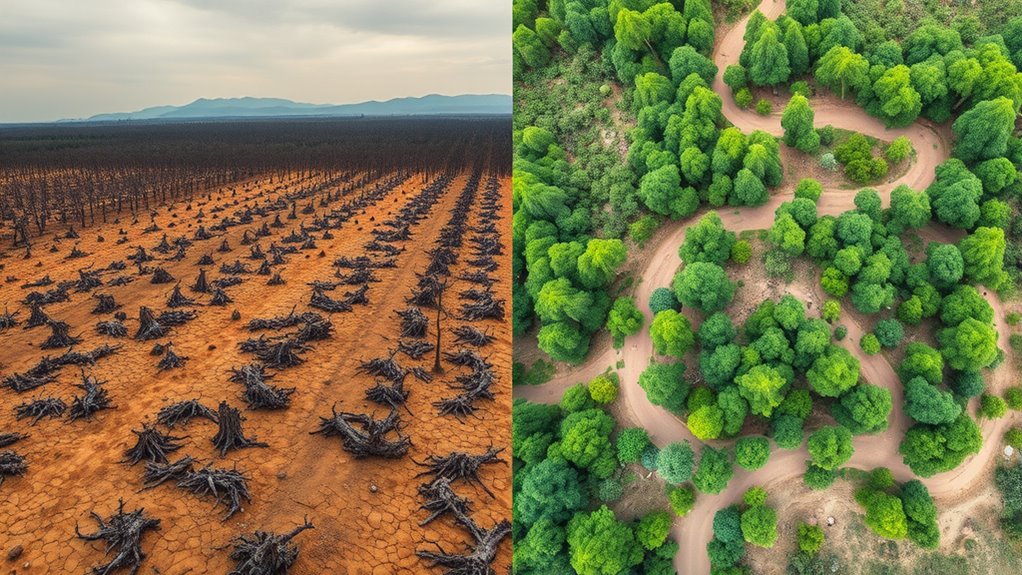
Have you ever wondered what happens when forests disappear? When large areas of trees are cut down or cleared for agriculture, urban development, or logging, the landscape becomes fragmented. Forest fragmentation occurs when continuous forests are broken into smaller, isolated patches, making it difficult for wildlife to move freely and access resources. This division of habitats not only disrupts animal migration patterns but also leaves many species vulnerable to extinction. As these forest patches shrink and become more isolated, the overall health of the ecosystem declines. The interconnected web of life that once thrived in vast, continuous forests begins to unravel, leading to crucial biodiversity loss.
Forest fragmentation breaks habitats into isolated patches, threatening wildlife movement and causing biodiversity loss.
Biodiversity loss is one of the most alarming consequences of deforestation. When trees are removed, countless species lose their homes and food sources. Many animals, insects, and plants depend on specific trees and forest conditions, so their survival becomes threatened when their habitats are destroyed. For example, certain bird species may rely solely on a particular type of tree for nesting, and when those trees vanish, so do the birds. The same goes for insects and fungi that play critical roles in pollination and nutrient cycling. As species disappear, the delicate balance of the ecosystem is compromised, which can have ripple effects far beyond the forest itself. The loss of biodiversity reduces resilience, making ecosystems less capable of bouncing back from disturbances like storms or droughts.
You might not realize, but this chain reaction can also affect human communities. Many indigenous peoples depend directly on forests for their livelihoods, food, and medicine. When forests are fragmented and species are lost, their way of life becomes endangered. Additionally, forests act as carbon sinks, absorbing CO2 from the atmosphere. When they are destroyed or degraded, not only do we lose valuable habitats, but we also accelerate climate change. The cumulative effect of habitat fragmentation and biodiversity loss contributes profoundly to environmental instability.
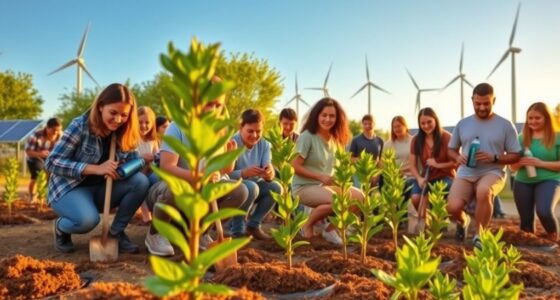
Thankfully, efforts are underway to counteract these impacts. Reforestation initiatives aim to restore fragmented landscapes by planting trees and reconnecting isolated patches. These projects help rebuild ecosystems, support wildlife corridors, and promote biodiversity recovery. Protecting remaining forests through sustainable practices and creating protected areas also play essential roles. By understanding the importance of maintaining continuous, healthy forests, you can support conservation efforts and advocate for policies that prioritize forest preservation. Restoring what’s been lost won’t happen overnight, but every step counts toward safeguarding the planet’s irreplaceable ecosystems for future generations.
Frequently Asked Questions
How Does Deforestation Affect Local Indigenous Communities?
You lose access to your land, which threatens your indigenous land rights and disrupts your way of life. Deforestation can erode your cultural preservation by destroying sacred sites, traditional resources, and knowledge. As forests vanish, your community faces displacement and cultural erosion, making it harder to pass down customs and traditions. Protecting your environment is essential for maintaining your identity and ensuring future generations can thrive in their heritage.
What Are the Economic Benefits of Reforestation Projects?
Reforestation projects boost your local economy by creating jobs and promoting economic growth through sustainable forestry and eco-tourism. They enhance ecosystem services like clean water, air, and soil health, which benefit agriculture and community well-being. Additionally, reforestation attracts investments and supports local businesses, fostering long-term economic stability. By restoring forests, you help guarantee a resilient environment that sustains economic development for future generations.
How Can Individuals Contribute to Reducing Deforestation?
You can contribute to reducing deforestation by choosing eco-friendly products and supporting sustainable logging practices. Opt for items made from recycled or responsibly sourced materials, and avoid products that harm forests. Advocate for policies that promote reforestation and conservation. Additionally, raise awareness about the importance of protecting forests and reducing your own paper and wood consumption. Small actions like these make a big difference in preserving our planet’s essential ecosystems.
What Are the Most Successful Global Reforestation Initiatives?
Think of global reforestation efforts as a mighty river flowing toward renewal. You can support successful initiatives like forest restoration and tree planting programs in countries like China, India, and Brazil. These initiatives have transformed barren land into thriving ecosystems. By backing such projects, you help accelerate the healing process, turning the tide against deforestation and fostering a greener, healthier planet for future generations.
How Does Deforestation Influence Global Climate Change?
When deforestation occurs, you cause significant carbon release into the atmosphere, which accelerates global climate change. This loss of trees reduces the Earth’s ability to absorb CO2, leading to a temperature rise. As a result, you contribute to more extreme weather patterns, melting ice caps, and rising sea levels. Protecting forests is vital because it helps stabilize climate, prevent further temperature increases, and maintain ecological balance.
Conclusion
So, step up and support reforestation efforts to restore, revive, and revive our ransacked regions. Deforestation’s damage is overwhelming, but your dedication can make a difference. By planting, protecting, and promoting green growth, you can help halt harm and herald a healthier, happier habitat. Remember, your actions matter—make mindful moves to mend Mother Earth, and together, we can turn the tide from tragedy to thriving trees.