
To balance screen time for children and teens, set clear limits and encourage outdoor activities like sports, walks, or gardening to replace device use. Involve them in planning outdoor fun so it feels more engaging. Establish routines that include designated device-free times, especially during meals and before bed. Promoting a mix of physical, social, and creative outdoor pursuits helps build healthier habits. Keep exploring ways to find the right balance—more strategies await as you look further.
Key Takeaways
- Establish clear limits on daily screen time, prioritizing outdoor activities and offline hobbies.
- Incorporate regular outdoor play and physical activities into daily routines for a healthy balance.
- Involve children and teens in planning outdoor and offline activities to increase engagement.
- Set designated device-free times, such as during meals and before bedtime, to promote mindful usage.
- Encourage a variety of outdoor pursuits to foster curiosity, creativity, and social skills while reducing screen dependence.

In today’s digital world, managing screen time is vital for maintaining a healthy balance between online activities and real-life interactions. As a parent or guardian, you understand how easy it is for children and teens to get absorbed in their devices, often losing sight of other important aspects of life. To help them develop a well-rounded lifestyle, encouraging regular digital detox periods can make a significant difference. A digital detox involves stepping away from screens for a set amount of time, giving your child a chance to reconnect with the physical world. During these breaks, outdoor activities play an essential role. Not only do they provide a healthy distraction, but they also promote physical activity, social interaction, and mental well-being.
Getting your child involved in outdoor activities can be as simple as suggesting a walk in the park, riding bikes, or playing sports. When you make outdoor play a regular part of their routine, you directly reduce their screen time and foster a love for nature and physical activity. These activities help break the cycle of constant device use and give your child a chance to unwind, reflect, and develop new skills. Plus, outdoor environments stimulate curiosity and creativity, which screens may not always provide. By setting boundaries around screen usage and promoting outdoor activities, you’re helping your child learn to manage their time better and develop healthier habits.
Encourage outdoor play to reduce screen time and foster curiosity, creativity, and physical activity in your child’s routine.
It’s important to create a routine that balances screen time with outdoor play. For example, establish specific times for device use, such as after homework or chores, and ensure those periods are limited. Outside of those times, encourage your child to explore hobbies, sports, or outdoor games. This not only reduces their reliance on screens but also builds resilience and independence. Remember, the goal isn’t to eliminate screens altogether but to teach your child moderation. Incorporating outdoor activities into daily life makes managing screen time more natural and enjoyable.
You might also consider involving your child in planning outdoor activities, which gives them a sense of control and motivation. Whether it’s gardening, hiking, or playing catch, these activities can become a shared experience that strengthens your bond. By actively promoting a digital detox through outdoor pursuits, you’re helping your child develop a balanced approach to technology use—one that values real-world experiences as much as digital engagement. Additionally, understanding the importance of spiritual guidance in managing digital habits can help foster a more mindful approach to technology use. Ultimately, creating a healthy routine that includes outdoor activities helps your child thrive physically, socially, and emotionally in this digital age.

Rock Painting Kit- Glow in The Dark Rock Kit, Arts and Crafts for Kids Ages 6-12, Art Supplies Toy, Kids Craft Paint Kits, Arts & Crafts for Boys Girls Birthday Party Gift Toy
- Complete Rock Painting Set: Includes rocks, paints, brushes, and accessories
- Glow-in-the-Dark Paints: Lights up in the dark for stunning designs
- Encourages Creativity: Fosters imagination in kids aged 6-12
As an affiliate, we earn on qualifying purchases.
As an affiliate, we earn on qualifying purchases.
Frequently Asked Questions
How Can Parents Monitor Online Activity Effectively?
You can monitor online activity effectively by setting clear boundaries and using parental controls to limit screen time. Engage in open conversations about digital literacy and privacy protection, encouraging your child to understand online risks. Regularly check devices together, review browsing history, and discuss the importance of responsible online behavior. By staying involved and fostering trust, you help your child develop safe habits while respecting their privacy.
What Are Healthy Screen Time Limits for Different Age Groups?
For healthy screen time limits, set age-appropriate boundaries and encourage regular digital detoxes. For young children, aim for no more than an hour of quality screen time daily, focusing on educational content. Teens can handle up to two hours for leisure, but should still have tech boundaries to prevent overuse. Encourage breaks and offline activities to promote balance and well-being, ensuring screens don’t dominate their daily routine.
How Does Excessive Screen Time Impact Mental Health?
Imagine you’re living in the 1920s, but your screen addiction keeps you glued to devices today. Excessive screen time can harm your mental health by increasing digital addiction and social isolation. It may cause anxiety, depression, and loneliness since you miss out on real-world interactions. Reducing screen time helps improve mood, strengthens relationships, and promotes mental well-being. Remember, balance is key for a healthier mind and life.
Are There Recommended Screen-Free Activities for Children?
You should encourage your children to engage in outdoor activities like biking, hiking, or playing sports, which promote physical health and social skills. Additionally, introduce creative hobbies such as drawing, crafting, or playing musical instruments to foster imagination and reduce screen reliance. These activities provide meaningful alternatives that keep your kids active and engaged, helping them develop well-rounded skills while enjoying quality time away from screens.
How Can Schools Help Manage Students’ Screen Time?
You can’t put all your eggs in one basket, so schools should implement digital literacy programs and cyberbullying prevention strategies to help manage students’ screen time effectively. By educating students about responsible online behavior and encouraging offline activities, schools foster a healthy balance. Integrating tech-free zones and promoting critical thinking skills guarantees students develop responsible digital habits, reducing overexposure and cultivating resilience against online threats.
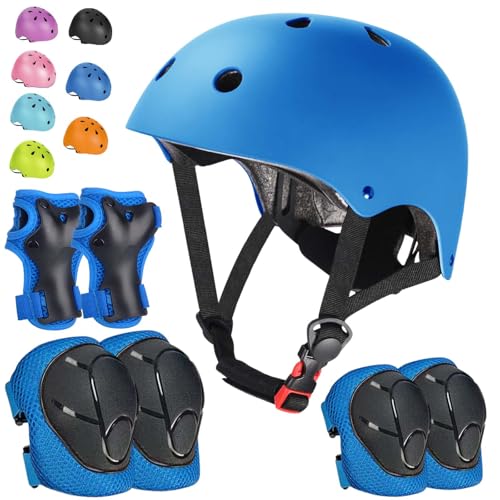
Kids Bike Helmet Set Adjustable Helmet for Ages 3-15 Kids Toddler Boys Girls Youth, Multi-Sport Bicycle Skateboarding Football Rollerskating Scooter Rollerblade Balance Bike Helmets
- Adjustable Size for Kids: Fits ages 3-15 with dial adjustment
- Multi-Sport Use: Suitable for biking, skating, and more
- High-Quality Materials: Made of ABS, EPS foam, and PVC
As an affiliate, we earn on qualifying purchases.
As an affiliate, we earn on qualifying purchases.
Conclusion
By managing screen time wisely, you can help children and teens develop healthier habits. Remember, the average teen spends over 7 hours daily on screens, which can impact sleep and social skills. Encouraging a balance allows for more face-to-face interactions, outdoor activities, and better focus. With mindful limits, you give your kids the chance to thrive both online and offline, fostering a well-rounded, happier, and healthier lifestyle.

Floraxa 8Pcs Kids Gardening Set with Metal Basket & Real Metal Tools, STEM Outdoor Exploration Kit, Ergonomic Wooden Handles, 3 Shovels, Rake, Watering Can, Gloves, Toy Gift for Toddler Boys Girls
- Complete 8-Piece Gardening Set: Includes tools, basket, gloves, and tote
- Real Metal Tools for Outdoor Use: Heavy-duty, rust-resistant, and durable
- Ergonomic Wooden Handles: Designed for small hands and comfort
As an affiliate, we earn on qualifying purchases.
As an affiliate, we earn on qualifying purchases.

Portable Cornhole Set PVC Framed Corn Holes Outdoor Game Set with 2 Cornhole Boards, 8 Cornhole Bean Bags and Carrying Case, Camping Games Indoor Outdoor for Adults, Travel Camping Accessory
- Quick Assembly Design: Flick and stick for easy setup
- Compact and Lightweight: Weighs 2kg, folds to 18x11x4 inches
- Durable Construction: Foldable over 1000 times with tear-resistant fabric
As an affiliate, we earn on qualifying purchases.
As an affiliate, we earn on qualifying purchases.