Practicing mindful gratitude helps you shift your perspective by encouraging you to notice and appreciate small moments and everyday blessings that often go unnoticed during busy or stressful times. By paying close attention to your feelings and fully engaging in present experiences, you foster a deeper sense of contentment and positivity. Making gratitude a daily habit and staying mindful enhances emotional awareness, transforming your outlook on life. Keep exploring, and you’ll discover more ways to cultivate this powerful shift.
Key Takeaways
- Practicing daily reflection on small blessings shifts focus from challenges to gratitude, fostering a positive mindset.
- Developing emotional awareness helps recognize subtle feelings of happiness and appreciation in everyday moments.
- Mindful engagement in present experiences enhances the significance of simple pleasures and promotes contentment.
- Cultivating gratitude rewires the brain to prioritize positivity, resilience, and emotional well-being.
- Incorporating activities like meditation amplifies mindful gratitude, deepening appreciation and transforming perspective.

Have you ever stopped to truly appreciate the small moments that bring joy to your day? It’s easy to overlook daily blessings when life feels busy or overwhelming. However, practicing mindful gratitude invites you to slow down and recognize these moments, transforming your perspective. Developing emotional awareness is key to this process. When you pay close attention to your feelings, you begin to notice the subtle shifts of happiness, contentment, or even relief that often go unnoticed. By consciously acknowledging these emotions, you deepen your understanding of what genuinely matters, creating space for gratitude to flourish.
Daily reflection plays a *vital* role in cultivating mindful gratitude. Taking a few minutes each day to pause and think about what you’re thankful for can recalibrate your mindset. It might be as simple as appreciating a warm cup of coffee, a kind word from a friend, or the comfort of a cozy home. When you regularly reflect on these moments, you train your brain to focus on positives rather than dwelling on negatives. This shift doesn’t mean ignoring challenges but rather balancing them with acknowledgment of the good, fostering resilience and a more optimistic outlook.
As you engage in daily reflection, you begin to notice how your emotional awareness deepens. You become more attuned to your inner experiences, recognizing feelings of gratitude as they arise naturally. This awareness helps you respond more thoughtfully to your environment and relationships. Instead of rushing through your day on autopilot, you start to savor small experiences, understanding their significance. Over time, this mindful approach rewires your brain to prioritize appreciation, making gratitude an integral part of your life.
Practicing mindful gratitude also encourages you to be present in the moment, rather than lost in worries about the past or future. When you’re fully engaged with what’s happening now, it’s easier to identify opportunities for gratitude. Whether you’re enjoying a quiet moment alone or sharing laughter with loved ones, these experiences become more meaningful when you’re consciously aware of them. This heightened emotional awareness enriches your daily life, fostering a sense of fulfillment and connection that extends beyond fleeting happiness.
In essence, mindful gratitude is a simple yet powerful tool for transforming your perspective. By making daily reflection a habit and sharpening your emotional awareness, you learn to appreciate life’s small blessings. This practice cultivates positivity, resilience, and a deeper sense of contentment—showing that even the tiniest moments can have a profound impact when acknowledged with genuine thanks. Incorporating activities like meditation can further enhance your ability to stay present and grateful in everyday life.

The Mindfulness Journal: Daily Practices, Writing Prompts, and Reflections for Living in the Present Moment
As an affiliate, we earn on qualifying purchases.
As an affiliate, we earn on qualifying purchases.
Frequently Asked Questions
How Can Gratitude Improve Mental Health Long-Term?
Gratitude boosts your mental health long-term by strengthening emotional resilience and fostering positive psychology. When you regularly practice gratitude, you train your mind to focus on positive experiences, reducing stress and depressive symptoms. This shift helps you handle challenges better and increases overall well-being. Over time, cultivating gratitude rewires your brain to prioritize optimism, making you more resilient in facing life’s ups and downs.
What Are Simple Daily Practices to Cultivate Mindful Gratitude?
You can cultivate mindful gratitude daily by practicing gratitude meditation, where you focus on positive aspects of your life. Incorporate mindful journaling by writing down things you’re thankful for each day, helping you stay present and appreciative. These simple habits boost your mental well-being, foster a grateful mindset, and make it easier to notice joy in everyday moments. Consistency is key to transforming your perspective over time.
Can Gratitude Help in Managing Stress and Anxiety?
Yes, gratitude can help you manage stress and anxiety by promoting stress reduction and building emotional resilience. When you focus on what you’re thankful for, your mind shifts away from worries, reducing tension. Practicing daily gratitude fosters a positive outlook, helping you bounce back faster from setbacks. Over time, this cultivates emotional resilience, making it easier to handle life’s challenges with calmness and confidence.
How Does Gratitude Influence Relationships and Social Bonds?
Think of gratitude as a gentle bridge connecting hearts. When you express thanks, you strengthen emotional connections and build trust, turning acquaintances into allies. Your genuine appreciation acts like a warm hug, fostering openness and understanding. This emotional bond encourages others to reciprocate, creating a cycle of kindness. By practicing gratitude, you nurture deeper relationships, making your social bonds resilient and more meaningful, enriching your life with genuine connection.
Are There Cultural Differences in Expressing Gratitude?
Yes, cultural differences influence how you express gratitude. You might notice varied cultural expressions and gratitude gestures, like bowing in Japan or hugging in the U.S. These customs reflect each culture’s values and social norms. When you understand and respect these differences, you can show appreciation in a way that feels genuine and meaningful, strengthening your connections across diverse backgrounds and fostering mutual respect.

The Gratitude Journal for More Happiness, Optimism, Affirmation & Reflection – An Effective Manifestation Guide Journal, Undated Daily Journals for Women & Men (Beige)
Boost your happiness with gratitude: Scientific studies have shown that practicing gratitude can lead to greater optimism and…
As an affiliate, we earn on qualifying purchases.
As an affiliate, we earn on qualifying purchases.
Conclusion
Practicing mindful gratitude is like tending a garden—what you nurture grows stronger. Imagine you start each day thanking someone or something, just like watering plants. Over time, your perspective shifts, revealing beauty in small moments. Studies show gratitude can boost happiness by up to 25%. So, keep watering your gratitude garden daily; soon, you’ll see your outlook flourish, transforming challenges into opportunities for growth and connection.

Emotional Awareness Journal: 90 Days of Deep Self-Connection
As an affiliate, we earn on qualifying purchases.
As an affiliate, we earn on qualifying purchases.
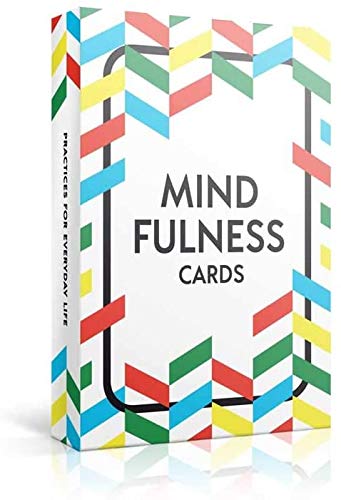
Allura & Arcia 52 Mindfulness Cards – Stress Less, Mindful Meditation, Gratitude, Kindness, Self Care & Relaxation
52 EASY EXERCISES CREATED BY PROFESSIONALS | Your soon to be set of 52 mindfulness cards, contain extremely…
As an affiliate, we earn on qualifying purchases.
As an affiliate, we earn on qualifying purchases.