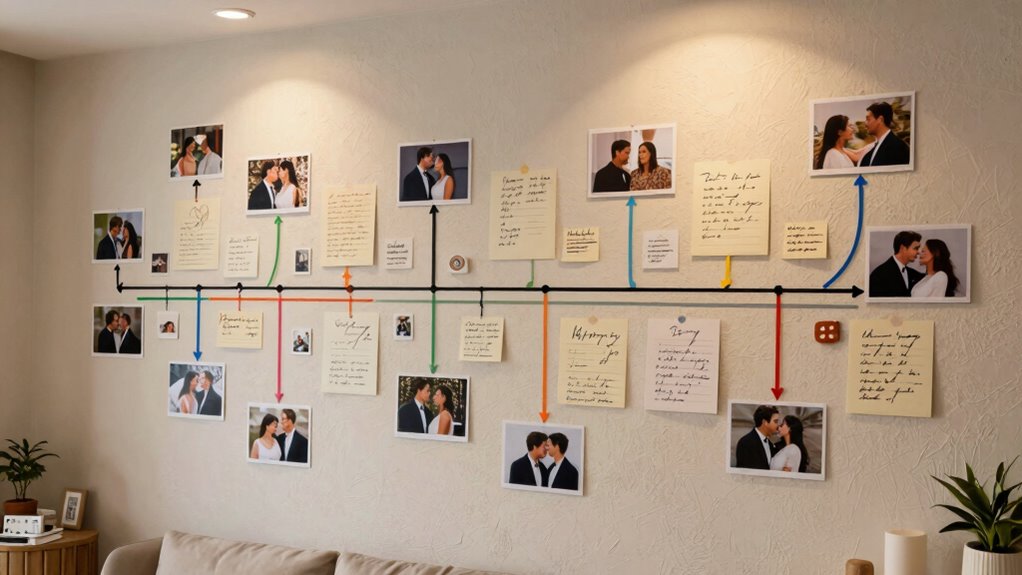

Mapping your relationship timeline helps you uncover hidden patterns and emotional milestones you might overlook. By tracking key moments, you can see how your feelings, conflicts, and support systems evolve over time. This process reveals the true rhythm of your relationship and highlights patterns that influence your connection. Recognizing these insights allows you to address issues early and strengthen your bond. Keep exploring, and you’ll discover even more about what drives your relationship forward.

Get beauty and skincare favorites delivered free with Prime
- Fast, free delivery on millions of items
- Prime Video, Amazon Music and more included
- Member-only deals all year
Key Takeaways
- Timeline mapping uncovers recurring emotional responses and conflicts that may be overlooked in daily interactions.
- It highlights patterns of support, vulnerability, and communication that shape relationship stability over time.
- Emotional milestones reveal underlying issues and growth moments often missed without a structured view.
- Recognizing recurring themes helps identify strengths and vulnerabilities impacting long-term connection.
- Mapping provides insights into how past events influence current behavior and future relationship dynamics.
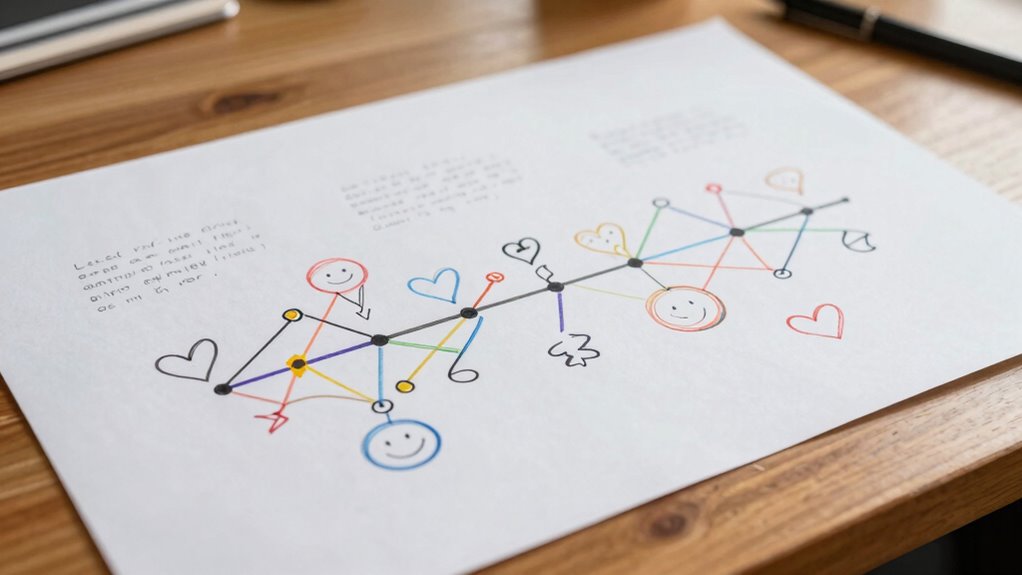
Have you ever wondered how tracking the key moments in a relationship can reveal its true dynamics? When you start mapping out your relationship timeline, you uncover more than just dates and events—you gain insight into emotional milestones and communication patterns that often go unnoticed. These elements serve as the backbone of your connection, shaping how you both relate to each other over time. Recognizing these milestones helps you see where things truly matter, like when trust was built or when vulnerability was shared. They often mark the turning points that define your bond, yet they can slip past you if you’re not paying close attention.
By paying close attention to emotional milestones, you can identify moments when feelings deepened or shifted. Maybe there was a time when you both felt an unexpected surge of happiness after a tough period, or perhaps a moment of discomfort that revealed underlying issues. These emotional markers reveal how each of you responds to challenges, joy, or disappointment. When you map them out, patterns emerge—such as recurring conflicts or consistent expressions of support—that highlight your relationship’s true rhythm. You might notice that certain emotional milestones happen after specific events, providing clues about what truly strengthens or weakens your connection. Understanding relationship dynamics through timeline mapping can help you develop more effective communication strategies, making it easier to address issues before they escalate. Recognizing these patterns allows you to address persistent issues or reinforce positive habits, all based on how you’ve communicated at various key moments.
Emotional milestones reveal how you respond to challenges, joy, and disappointment, shaping your relationship’s true rhythm.
Mapping your relationship timeline isn’t just about recalling what happened; it’s about understanding why certain moments matter and how they fit into the bigger picture. It also allows you to see how emotional milestones and communication patterns are interconnected, influencing each other in ways you might not have realized before. Developing this awareness can also shed light on the recurring issues that often surface, enabling you to approach them with a clearer perspective. When you understand these patterns, you can better anticipate challenges, celebrate successes, and nurture a more conscious, healthy partnership. Additionally, this process can reveal hidden relationship strengths that have supported you through difficult times, encouraging you to build on those positives. So, start charting those key moments—you might be surprised at what you discover about your relationship’s true dynamics and the patterns you keep missing.
Products Worth Considering

Withings Sleep Tracking Pad with Sleep Cycle Analysis

Levoit Core 600S-P Smart Air Purifier for Large Rooms

Philips Sonicare 6700 Rechargeable Electric Toothbrush with 3 Brush Heads, Navy
As an affiliate, we earn on qualifying purchases.
Frequently Asked Questions
How Long Does It Take to Create an Accurate Relationship Timeline?
Creating an accurate relationship timeline usually takes a few hours to several days, depending on how detailed you want it to be. You’ll need to gather key relationship milestones and observe emotional patterns over time. As you reflect on past events and feelings, you’ll start noticing recurring themes. The more honest and thorough you are, the clearer your timeline becomes, helping you understand patterns you might have previously missed.
Can Timeline Mapping Work for Long-Distance Relationships?
Yes, timeline mapping works for long-distance relationships. In fact, studies show couples who regularly reflect on their shared experiences report higher emotional intimacy. By tracking communication patterns and milestones, you can identify when emotional connections deepen or weaken, even across miles. This helps you understand your relationship’s dynamics better, fostering stronger bonds. Regularly updating your timeline keeps both of you aware of how your emotional intimacy evolves, regardless of physical distance.
What Tools Are Best for Relationship Timeline Mapping?
You should try tools like Trello or Notion for relationship timeline mapping. These platforms let you track emotional patterns and communication milestones easily. With visual timelines, you can see how your relationship has evolved, identify recurring issues, and celebrate progress. They’re flexible, collaborative, and customizable, making them perfect for understanding your relationship’s unique story. Using these tools helps you gain insights you might have overlooked, strengthening your connection over time.
How Often Should I Update My Relationship Timeline?
Don’t let the grass grow under your feet—update your relationship timeline regularly, ideally after significant milestones or changes in communication patterns. Doing so keeps you aware of evolving dynamics and helps spot recurring issues or growth points. Updating monthly or after key events guarantees your timeline reflects current realities, making it easier to recognize patterns you might otherwise miss. Stay proactive to nurture a healthier, more understanding relationship.
Can Timeline Mapping Help Resolve Existing Conflicts?
Yes, timeline mapping can help resolve conflicts by showing your emotional triggers and communication patterns over time. When you identify recurring issues or misunderstandings, you become more aware of what sparks tension. This awareness allows you to address conflicts more effectively, fostering better communication and emotional understanding. By visualizing these patterns, you can work together to develop strategies that prevent future disagreements and strengthen your relationship.
Conclusion
By mapping your relationship timeline, you reveal patterns you might overlook, understand your growth, and recognize recurring themes. It’s a tool for clarity, a mirror for reflection, and a guide for awareness. As you track your journey, you gain insight into your habits, emotions, and connections. Embrace this process to learn, adapt, and strengthen your relationships—because understanding your past shapes your future, and knowing yourself leads to healthier, happier bonds.