Embracing the slow fashion movement means focusing on quality over quantity, so you choose well-made garments designed to last. You prioritize sustainable sourcing and ethical production, ensuring your wardrobe reflects your values. By building a collection of versatile, durable pieces, you reduce waste and support a more mindful approach to fashion. This shift benefits both the environment and your style—stick with us to discover tips on making this sustainable choice even easier.

Get beauty and skincare favorites delivered free with Prime
- Fast, free delivery on millions of items
- Prime Video, Amazon Music and more included
- Member-only deals all year
Key Takeaways
- Slow fashion emphasizes investing in durable, high-quality garments that last longer, reducing the need for frequent replacements.
- It promotes sustainable sourcing and eco-friendly materials to minimize environmental impact.
- Ethical manufacturing practices ensure fair wages and safe working conditions in clothing production.
- Building a versatile wardrobe with timeless pieces encourages mindful consumption and reduces waste.
- The movement fosters a cultural shift toward valuing craftsmanship, durability, and sustainability over fleeting trends.
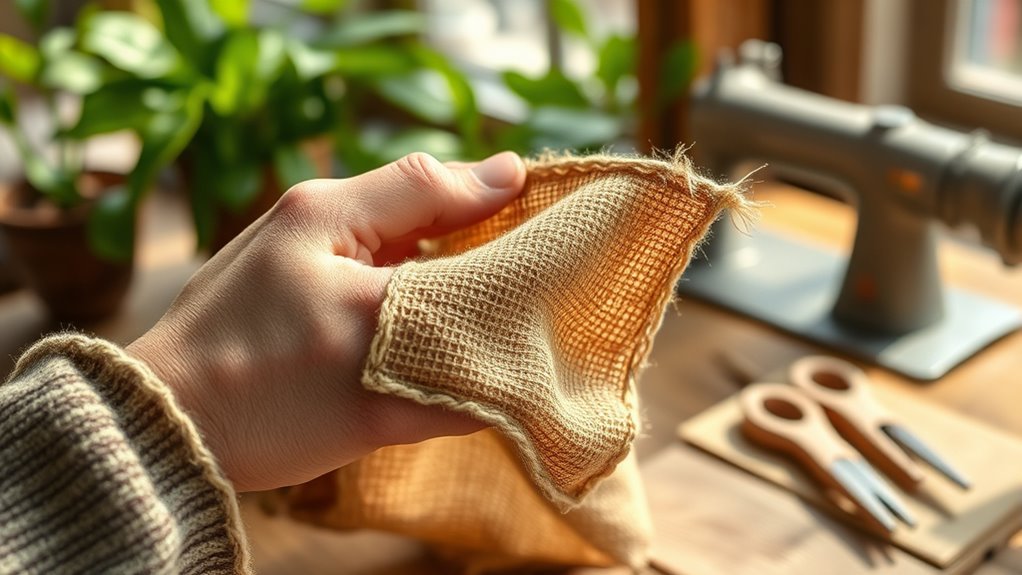
Have you ever wondered if there’s a better way to enjoy fashion without harming the planet? The slow fashion movement offers a compelling answer by emphasizing quality over quantity. Instead of chasing fleeting trends, you focus on pieces crafted with care, designed to last, and made with integrity. This shift isn’t just about personal style; it’s about making conscious choices that support a more sustainable and ethical industry. When you choose slow fashion, you’re supporting brands that prioritize sustainable sourcing, ensuring materials are responsibly harvested and produced without depleting natural resources. This means selecting fabrics and components that are eco-friendly, often made from organic, recycled, or renewable materials, reducing your fashion footprint.
Choosing slow fashion means prioritizing quality, sustainability, and ethical practices for a wardrobe that lasts and cares for the planet.
Equally important is ethical manufacturing. Slow fashion advocates for transparent supply chains where workers are paid fair wages and work in safe conditions. By supporting brands committed to ethical manufacturing, you help combat exploitative labor practices that are unfortunately common in fast fashion. This approach encourages a more humane and sustainable way of producing clothing, which benefits communities and the environment alike. When you invest in well-made garments from such brands, you’re not only ensuring longevity for your wardrobe but also contributing to a system that values people and planet over profit.
Opting for slow fashion means you become more deliberate with your purchases. Instead of buying impulsively, you take the time to research brands and their practices. You look for labels that are transparent about their sourcing and manufacturing processes. This awareness helps you build a wardrobe filled with versatile, high-quality pieces that truly stand the test of time. As a result, you reduce waste and lessen the environmental impact associated with constantly producing and discarding cheaply made clothing.
Moreover, supporting slow fashion encourages a cultural shift that values craftsmanship and durability. It invites you to embrace a more mindful approach, where your wardrobe reflects your values. The investment in well-made garments may cost more upfront, but it pays off in longevity and timeless style. Over time, you’ll find that you need fewer items, and each piece you own is something you genuinely love and cherish. Additionally, practicing sustainable consumption in fashion supports a circular economy that minimizes waste and maximizes reuse. By choosing slow fashion, you’re actively participating in a movement that champions sustainability, fairness, and a more thoughtful relationship with the clothes you wear. It’s a powerful way to enjoy fashion that aligns with your values and helps protect the planet for future generations.
high quality sustainable clothing
As an affiliate, we earn on qualifying purchases.
As an affiliate, we earn on qualifying purchases.
Frequently Asked Questions
How Can I Identify Truly Sustainable Clothing Brands?
You can identify truly sustainable clothing brands by checking their commitment to ethical sourcing and brand transparency. Look for brands that openly share their supply chain details and ensure fair labor practices. Research their materials—preferably organic, recycled, or eco-friendly. Avoid brands that hide information or use vague claims. Supporting transparent brands helps you make mindful choices aligned with slow fashion principles, prioritizing quality over quantity and reducing environmental impact.
What Are the Environmental Impacts of Fast Fashion?
You might not realize it, but fast fashion’s environmental impacts are staggering. It generates massive textile waste that ends up in landfills, and water pollution from dyeing processes contaminates our rivers. These brands prioritize quick trends over sustainability, causing long-term damage to ecosystems. By understanding this, you can make smarter choices—supporting sustainable brands helps reduce textile waste and water pollution, making a real difference for the planet.
How Does Slow Fashion Affect Local Economies?
When you support slow fashion, you boost local economies by empowering local artisans and small businesses. Your choices help preserve traditional crafts and create sustainable jobs, strengthening economic resilience in communities. By buying less but better, you encourage a shift away from mass production, fostering a more resilient local economy that benefits everyone involved. Your conscious purchasing habits make a meaningful difference in building stronger, more sustainable local markets.
Can Slow Fashion Be Affordable for Everyone?
Yes, slow fashion can be affordable for everyone when you focus on ethical sourcing and prioritize quality over quantity. By choosing durable pieces and supporting brands committed to fair labor practices, you can reduce long-term costs and contribute to sustainable fashion. While some items may have a higher upfront price, investing in well-made clothing often saves you money and promotes fashion affordability in the long run.
What Are Practical Tips for Adopting Slow Fashion Habits?
Think of your wardrobe as a garden that needs tending. To adopt slow fashion habits, start with wardrobe basics made from quality fabric choices that last. Invest in timeless pieces, avoid impulse buys, and prioritize durability over trends. Repair clothes when needed and shop secondhand. By nurturing this garden, you’ll cultivate a wardrobe full of meaningful, long-lasting pieces that reflect your style and values.
As an affiliate, we earn on qualifying purchases.
Conclusion
By choosing quality over quantity, you support sustainability, embrace mindful consumption, and respect craftsmanship. You slow down your pace, savoring each piece you wear, valuing its story and purpose. You resist fast fashion’s fleeting trends, prioritize durability and timeless style, and make conscious choices. In doing so, you join a movement that cares for the planet, values authenticity, and fosters a more thoughtful, responsible wardrobe. You become part of a change—one that’s sustainable, meaningful, and truly yours.
As an affiliate, we earn on qualifying purchases.
As an affiliate, we earn on qualifying purchases.
Fall Picks
fall essentials
As an affiliate, we earn on qualifying purchases.