
Urban green spaces boost your city’s health by improving air quality, reducing heat, and supporting biodiversity. They serve as community hubs where you can gather, relax, and participate in local activities, strengthening social bonds. These parks also promote mental well-being and physical activity, creating a safer, cleaner environment. Their ecological benefits help sustain urban wildlife and ecosystems. To discover how you can maximize these benefits in your community, keep exploring the positive impacts of green spaces.
Key Takeaways
- Urban green spaces improve air quality and reduce urban heat, supporting healthier city environments.
- Parks foster community engagement, social cohesion, and collective responsibility for neighborhood maintenance.
- Green areas provide habitats for biodiversity, supporting local wildlife and ecological networks.
- Access to parks encourages outdoor physical activity and mental well-being for residents.
- Community participation in green space initiatives promotes sustainable urban planning and environmental awareness.

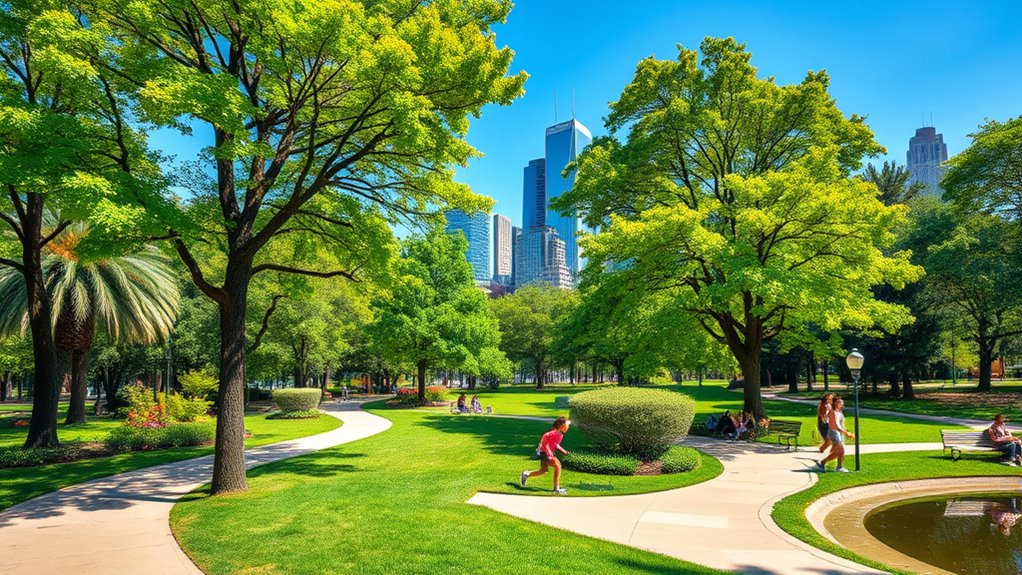
Have you ever noticed how city parks and green areas can transform urban environments? They’re more than just spots to escape the hustle; they’re essential for fostering community engagement and preserving biodiversity. When you visit a local park, you’re not only enjoying a breath of fresh air, but you’re also participating in a space that brings people together. Community engagement thrives in these green spaces because they serve as communal hubs where residents can gather for events, outdoor activities, or simply relax. This sense of shared ownership encourages people to care more about their neighborhoods, which can lead to cleaner, safer, and more vibrant communities. By actively participating in local park initiatives or volunteering for planting projects, you help strengthen community bonds and create a collective commitment to maintaining these spaces.
City parks unite communities and foster a sense of shared ownership and care for urban spaces.
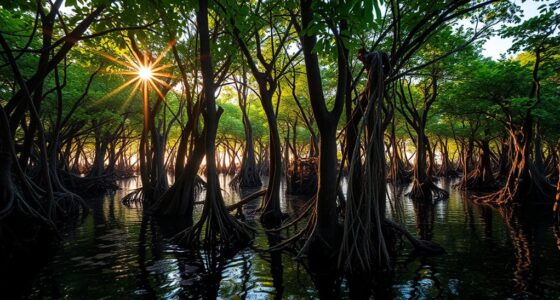
Biodiversity preservation is another key benefit of urban green spaces. These areas act as refuges for various plant and animal species, even within densely populated cities. They provide essential habitats that support local wildlife, from birds and bees to small mammals and native plants. When city planners prioritize green spaces, they help sustain ecological networks that might otherwise be lost to concrete expansion. This preservation is indispensable not only for maintaining the natural beauty of cities but also for supporting ecosystems that benefit human health. Diverse plant life can improve air quality, reduce urban heat, and promote pollination, which is critical for local food sources. Additionally, incorporating top-quality planting practices into urban design can further enhance these benefits. By protecting and expanding urban green areas, you contribute directly to the health of the environment and the resilience of urban ecosystems.
Furthermore, community engagement in green space initiatives often leads to better maintenance and more thoughtful planning. When residents have a voice in how parks and green areas are developed, they’re more likely to advocate for features that meet their needs—like walking trails, community gardens, or shaded seating areas. This participatory approach ensures that green spaces remain accessible, inclusive, and well-loved. It also encourages educational opportunities about biodiversity and environmental conservation, fostering a culture of respect for nature within urban settings. As you get involved in these efforts, you help build a sustainable city where green spaces are valued as essential assets for social cohesion and ecological health.
In the end, urban green spaces are powerful tools for transforming city life. They foster community engagement, preserve biodiversity, and enhance the well-being of everyone who visits them. By supporting and advocating for these areas, you play a part in creating healthier, more vibrant cities where nature and people coexist harmoniously.
Frequently Asked Questions
How Do Urban Green Spaces Influence Local Climate Change?
Urban green spaces help influence local climate change by reducing urban heat. When you add trees and parks, they provide shade and release moisture, lowering temperatures and mitigating urban heat islands. These areas also promote climate mitigation by absorbing carbon dioxide and improving air quality. By incorporating more green spaces, you actively contribute to creating cooler, healthier cities, helping combat climate change at a local level.
What Are the Economic Benefits of Investing in Urban Parks?
Investing in urban parks open up surprising economic benefits. You might think it’s only about beauty, but green space funding sparks economic revitalization by attracting new businesses, boosting property values, and increasing tourism. This investment creates jobs, enhances community well-being, and encourages healthier lifestyles. The ripple effect reaches beyond aesthetics, transforming neighborhoods into vibrant hubs. So, when you support urban parks, you’re fueling a cycle of growth that benefits everyone.
How Do Green Spaces Impact Mental Health in Urban Populations?
Green spaces boost your mental health by providing a peaceful escape from urban stress. Spending time in parks reduces stress levels and enhances your mood through mental health benefits like relaxation and revitalization. You’ll find that walking or relaxing amidst greenery helps clear your mind, lowering anxiety and depression. Regular access to these natural areas supports your overall well-being, making city living more manageable and enjoyable.
What Challenges Do Cities Face When Expanding Green Areas?
You face challenges like land acquisition, which can be costly and competitive in urban areas. Expanding green spaces often involves high maintenance costs to guarantee they stay inviting and healthy. With cities growing rapidly, balancing development and greenery becomes tough, as limited land and budget constraints push you to prioritize projects carefully. Despite these hurdles, investing in green spaces benefits your community’s health and environment in the long run.
Are There Specific Plant Species Best Suited for Urban Environments?
You should choose native plants and drought-tolerant species for urban environments. Native plants adapt well to local conditions, requiring less water and maintenance, which makes them sustainable choices. Drought-tolerant species thrive with minimal watering, helping conserve resources during dry periods. Combining these types of plants guarantees your green space remains healthy, resilient, and environmentally friendly, while also supporting local biodiversity and reducing your city’s ecological footprint.
Conclusion
As you step into a city park, feel the cool shade of trees and hear the gentle rustle of leaves. Imagine breathing in fresh, clean air as vibrant flowers bloom nearby. These green spaces turn bustling streets into calming retreats, offering you a breath of nature’s tranquility. By embracing urban green spaces, you not only find peace and beauty but also nurture your health and well-being amidst the vibrant pulse of city life.