To support a circular economy, focus on recycling techniques like sorting, cleaning, and processing waste into new products, which reduces reliance on virgin resources. Follow landfill regulations that guarantee safe disposal while promoting waste separation to minimize pollution and recover energy. Your efforts in proper waste sorting and staying informed enhance sustainability. If you’re interested, you’ll discover more ways that waste management strategies can help protect the environment and conserve resources for the future.
Key Takeaways
- Implement advanced recycling techniques to recover materials and reduce dependence on virgin resources.
- Enforce landfill regulations that promote waste separation and prevent environmental contamination.
- Promote waste reduction, reuse, and recycling to minimize landfill volumes and extend landfill lifespan.
- Foster policies that support recycling infrastructure and encourage individual participation in waste sorting.
- Integrate landfill management and recycling efforts to create a circular economy that conserves resources and reduces environmental impact.

Have you ever wondered what happens to the trash you throw away? When you toss out a plastic bottle or a cardboard box, it doesn’t just disappear. Instead, it joins a complex system aimed at managing waste responsibly. One key aspect of this system is recycling techniques, which are designed to recover materials and reduce the need for virgin resources. Recycling involves sorting, cleaning, and processing waste to turn it into new products, conserving energy and reducing pollution. For example, plastic bottles can be melted down and reformed into fibers for clothing or new containers, while paper is pulped and transformed into fresh sheets. These techniques are continuously evolving, making recycling more efficient and accessible. Your participation in recycling efforts can substantially influence the success of these techniques, helping to create a more sustainable cycle of resource use.
However, the effectiveness of recycling also depends heavily on landfill regulations. Landfills are the final resting place for many waste items, but strict regulations govern their operation to minimize environmental harm. These rules specify what can be disposed of, how waste should be separated, and how landfills must be managed to prevent leachate contamination and methane emissions. Proper landfill regulations ensure that waste is contained safely while promoting practices like gas capture systems to harness landfill gases for energy. They also dictate that recyclables are separated beforehand, reducing contamination and improving the quality of recycled materials. Without robust landfill regulations, waste could leach into soil and water or release harmful gases, posing health threats and environmental damage. Additionally, innovations in projector technology are advancing the way we visualize data, which can be useful in environmental monitoring and education efforts.
Understanding the connection between recycling techniques and landfill regulations reveals how they work together to support a circular economy. Recycling reduces the volume of waste sent to landfills, extending their lifespan and lessening environmental impact. Meanwhile, regulations ensure that landfills operate safely and prevent waste from causing pollution. Your role in this system is essential—you can sort your trash correctly, follow local guidelines, and support policies that enhance landfill management. When you do, you contribute to a cycle that minimizes waste, conserves resources, and promotes sustainability. It’s a shared effort that benefits everyone, fostering a future where waste is seen not as a problem but as a resource to be reused and recycled. By understanding these strategies and regulations, you become a critical part of building a more circular economy—one where waste is managed responsibly, and resources are preserved for generations to come.

ANUANT Separate Recycling Waste Bin Bags for Kitchen Office in Home – Large Size Sturdy Double Handles 10 Gallon Recycle Garbage Sorting Bins
The Perfect Solution: Looking for a way of creating a functional and effective recycling system in your home…
As an affiliate, we earn on qualifying purchases.
As an affiliate, we earn on qualifying purchases.
Frequently Asked Questions
How Do Policies Influence Waste Management Practices Globally?
Policies greatly influence waste management practices worldwide by shaping regulations that encourage sustainable actions. Your country’s policy impact can lead to stricter recycling standards, waste reduction initiatives, and incentives for circular economy practices. Global regulations set benchmarks for responsible waste disposal, prompting governments and businesses to adapt. When policies align with sustainability goals, they drive innovation and improve waste management efficiency, helping you support environmental health and resource conservation on a broader scale.
What Role Do Consumers Play in Promoting a Circular Economy?
You influence a circular economy through your actions: by increasing consumer awareness, adopting responsible recycling habits, and reducing waste. Your choices matter—support sustainable products, properly sort recyclables, and advocate for eco-friendly practices. These behaviors create demand for circular solutions, encourage companies to innovate, and minimize environmental impact. Your commitment to mindful consumption and recycling helps build a sustainable future where resources are reused and waste is minimized.
How Can Technology Improve Waste Segregation Efficiency?
You can improve waste segregation efficiency by using smart bins equipped with AI sorting technology. These bins automatically identify and separate recyclables from waste, reducing human error and speeding up the process. By adopting AI-powered sorting, you contribute to a more effective circular economy, ensuring materials are properly recycled and reused. This tech-driven approach makes waste management smarter, cleaner, and more sustainable, ultimately benefiting your community and the environment.
What Are the Biggest Barriers to Implementing Circular Waste Systems?
Did you know that over 60% of waste systems face barriers like resistance to behavior change and lack of infrastructure? You’ll find that these are the biggest hurdles to implementing circular waste systems. Behavior change often takes time and effort, while infrastructure development requires significant investment. Overcoming these obstacles means encouraging public participation and building better facilities, but without them, shifting to a circular economy remains challenging.
How Is Waste Management Linked to Climate Change Mitigation?
You can see how waste management links to climate change mitigation through recycling incentives and waste reduction efforts. When you recycle more, you reduce the need for new raw materials, lowering greenhouse gas emissions from extraction and processing. By minimizing waste sent to landfills, you also decrease methane emissions, a potent greenhouse gas. Your active participation in recycling and waste reduction directly helps slow climate change and promotes a sustainable, circular economy.
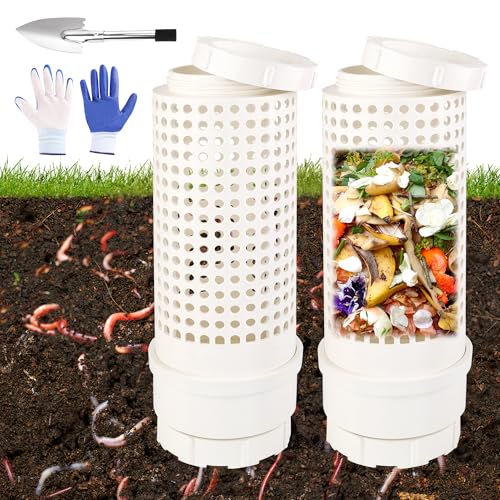
2 Packs Inground Worm Composter, Outdoor Worm Farm Compost Bin Kit with Lid for Raised Garden Beds, Reducing Food Waste Composting Systems – with Shovel & Gloves
Efficient & Continuous Composting System: Our Inground Worm Composter Bins convert organic waste into a nitrogen-rich, nutritious fertilizer….
As an affiliate, we earn on qualifying purchases.
As an affiliate, we earn on qualifying purchases.
Conclusion
As you embrace waste management strategies, remember you’re planting seeds for a circular economy. Each action is a ripple, turning waste into waves of change. Like a phoenix rising from ashes, your efforts renew resources and inspire sustainability. The cycle continues—your choices become the compass guiding us toward harmony with the planet. Together, you and these strategies forge a future where waste transforms into opportunity, shaping a world that’s resilient, vibrant, and forever revolving in hope.
Recycling Collection & Bale Weight Logbook: Recordkeeping & Tracking Log
As an affiliate, we earn on qualifying purchases.
As an affiliate, we earn on qualifying purchases.
Methane Capture: Options for Greenhouse Gas Emission Reduction
As an affiliate, we earn on qualifying purchases.
As an affiliate, we earn on qualifying purchases.